
Key Takeaways
- Cooling strategies differ significantly between new construction and retrofit projects.
- New buildings allow cooling systems to be integrated into the design from the beginning.
- Older buildings often require existing structures and services to be considered before installation.
- Equipment selection is influenced by available space, ceiling height, and building layout.
- Energy efficiency improvements are approached differently depending on the building’s condition.
- Regular maintenance remains essential regardless of the building’s age, including ducted aircon service where applicable.
Introduction
Designing an air conditioning system for a new building differs from upgrading an existing one. While both aim to provide reliable indoor comfort, the planning process, installation methods, and technical limitations vary considerably.
New construction allows engineers to coordinate cooling requirements with the building’s architectural and mechanical design. In contrast, retrofitting an older property involves working around existing structures, services, and space limitations. Understanding these differences helps building owners and project teams make informed decisions throughout the planning process.
Cooling System Planning Starts Differently
The planning stage establishes the foundation for any cooling system, but the process differs depending on whether the building is new or existing.
For new buildings, cooling requirements are considered during the design phase. Architects, structural engineers, and mechanical engineers can coordinate ceiling spaces, equipment rooms, duct routes, and electrical provisions before construction begins. This integrated approach often provides greater flexibility when selecting system layouts.
Retrofitting an older building follows a different process. Existing building conditions must first be assessed to determine whether structural elements, ceiling voids, electrical capacity, and ventilation arrangements can accommodate a new cooling system. In many cases, modifications are required before installation can proceed.
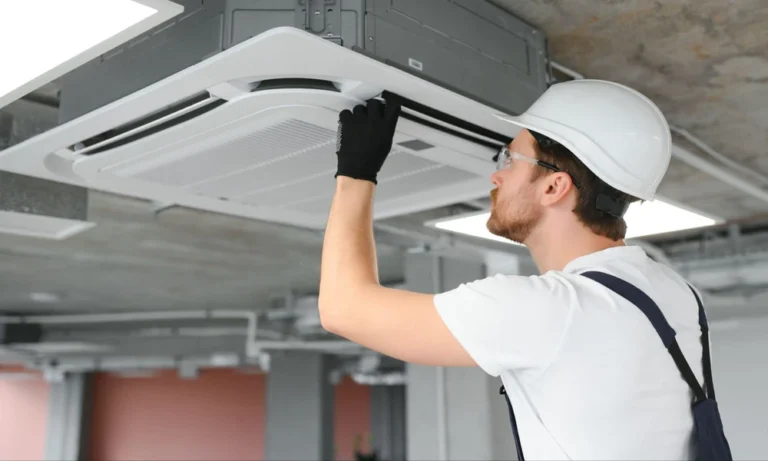
The planning approach also influences equipment choices. For example, a new commercial development may incorporate cassette aircon in Singapore offices where suspended ceilings are already included in the design. An older building without sufficient ceiling space may require a different configuration to suit the existing structure.
In summary, new construction allows cooling systems to be designed alongside the building, while retrofit projects begin by identifying existing constraints.
Installation Constraints Affect Equipment Selection
Equipment selection depends not only on cooling requirements but also on how easily systems can be installed.
The following comparison highlights the typical differences:
| New Building | Older Building Retrofit |
| Services planned before construction | Existing services may need relocation |
| Flexible duct routing | Limited routing options |
| Equipment locations predetermined | Available space may be restricted |
| Structural coordination during design | Structural modifications may be necessary |
Older buildings also often present practical challenges during installation, including:
- Limited ceiling height for ductwork.
- Existing beams, columns, or utilities that restrict routing.
- Older electrical infrastructure requiring upgrades.
- Occupied spaces that limit installation schedules.
These factors may affect whether a ducted system, split system, or cassette aircon installation is technically appropriate. The final selection depends on engineering assessments rather than preference alone.
Overall, installation constraints tend to be more predictable in new construction than in retrofit projects.
Energy Efficiency Opportunities Are Different
Both new and older buildings can improve energy performance, but they begin from different starting points.
New buildings are often designed to incorporate current building standards, improved insulation, efficient glazing, and optimised building orientation. Cooling systems can therefore be matched more closely to expected heat loads, reducing unnecessary energy consumption.
Older buildings may have opportunities for efficiency improvements, although these are usually implemented progressively. Examples include:
- Replacing ageing cooling equipment with newer, more efficient models.
- Improving insulation where practical.
- Upgrading controls and thermostats.
- Reducing air leakage around doors and windows.
A retrofit project also provides an opportunity to review whether the existing system remains appropriately sized for the building’s current use. Changes in occupancy or room layouts over time may alter cooling demands.
In either case, system efficiency depends on correct design, installation, commissioning, and ongoing maintenance rather than equipment alone.
Maintenance Considerations
Maintenance requirements remain important regardless of when the building was constructed.
New systems generally begin with equipment operating under manufacturer specifications. However, routine inspections and servicing are still required to maintain efficiency and identify wear before it affects performance.
Older systems may require additional attention because components have already experienced years of operation. Ageing ductwork, insulation, drainage systems, and electrical connections should be inspected regularly alongside mechanical equipment.
Where ducted systems are installed, scheduled ducted aircon service helps maintain airflow, inspect ducts, clean components where necessary, and identify issues before they become more significant. Preventive maintenance also assists in maintaining consistent cooling performance throughout the system’s operating life.
Whether a system serves a newly completed building or an older property, regular maintenance supports reliable operation and informed long-term asset management.
Frequently Asked Questions
1. Why is cooling design easier in a new building?
New buildings allow cooling systems to be incorporated during the design stage, giving engineers greater flexibility when planning equipment locations, ductwork, and supporting services.
2. What makes retrofitting an older building more complex?
Existing structural elements, ceiling space, electrical capacity, and occupied areas may restrict installation options and require additional modifications before work begins.
3. Can older buildings improve cooling efficiency without complete replacement?
Yes. Depending on the building, efficiency improvements may include upgrading equipment, improving insulation, modernising controls, or addressing air leakage where practical.
4. When is a cassette aircon commonly used?
It is commonly considered for commercial and office environments with suspended ceilings, provided sufficient ceiling space and structural conditions are available.
5. How often should ducted aircon service be carried out?
Service frequency depends on manufacturer recommendations, system usage, and operating environment. Commercial systems generally require planned maintenance at regular intervals.
Visit Airple to ensure your cooling system continues to perform as your building evolves.