
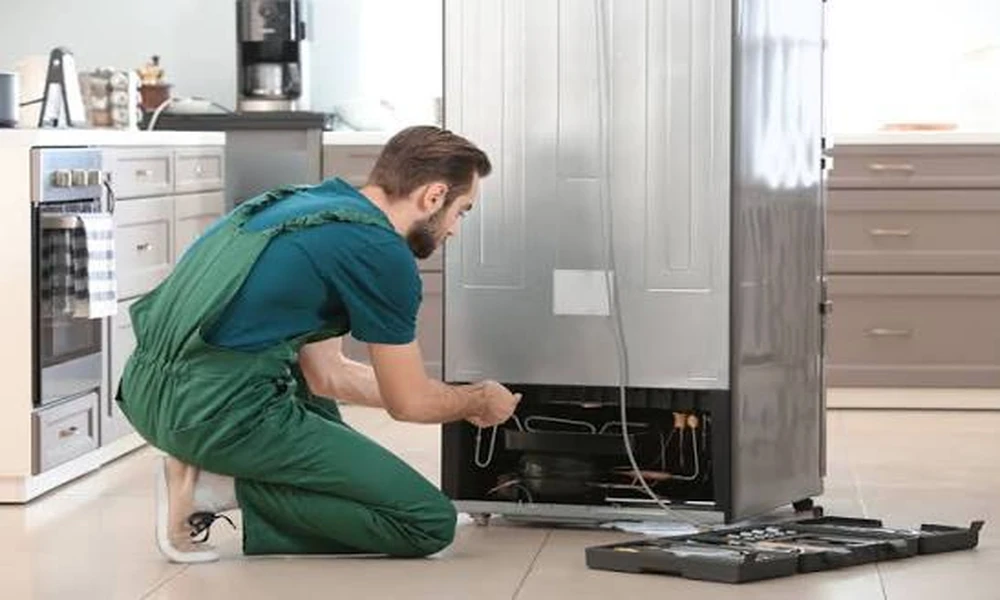
There is a common instinct to wait and see whether a fridge issue resolves itself, particularly when the unit still seems to be running. That instinct usually costs more in the end, since most causes needing fridge service repair only get harder and more expensive to fix the longer they are left unaddressed. The unit continuing to run is not the same as it running properly, and that distinction is exactly where the waiting instinct tends to go wrong.
The Difference Between a Minor and Urgent Issue
A slightly warmer-than-usual interior might tolerate a short wait, but visible frost inside the fresh food compartment, persistent water pooling, or a compressor that keeps cycling on and off rapidly all warrant prompt attention. Learning to distinguish urgency helps avoid both unnecessary panic and costly delay. As a rough guide, anything affecting food safety directly deserves same-week attention, while a purely cosmetic or minor efficiency issue can usually wait for a convenient appointment.
How Long Symptoms Typically Take to Worsen
A minor seal issue can take weeks to escalate into a full cooling failure, while a failing compressor can go from mild noise to complete breakdown within days. Because the timeline varies so much by cause, treating any persistent symptom as worth investigating promptly is safer than trying to predict how quickly it will worsen. Trying to self-diagnose the likely timeline from a symptom alone is unreliable, since very different faults can present in almost identical ways at first.
What Happens During a Typical Service Visit
A proper visit includes checking refrigerant levels, testing the compressor and fan performance, inspecting door seals, and confirming the thermostat is calibrated correctly. A technician who addresses only the single symptom reported, without this broader check, risks missing a related issue that will surface again shortly. A visit that ends with a clear explanation of what was found, not just what was replaced, is generally a sign the diagnostic step was taken seriously.
Booking Ahead Versus Emergency Call-Outs
Scheduling a service visit as soon as symptoms appear, rather than waiting for a full breakdown, generally means faster appointment availability and a wider range of repair options, since the problem hasn’t yet cascaded into something more complex. Households that leave it until an emergency call-out is needed often find technicians offering prompt cooling appliance repairs harder to schedule quickly during peak demand periods. Booking ahead of a full breakdown also gives more flexibility to choose a convenient appointment time rather than accepting whatever slot is available during an emergency.
Cost Implications of Delaying a Booking
A delayed repair often means a wider scope of work once a technician does arrive, since a single struggling component tends to place strain on others nearby. What might have been a straightforward seal replacement can become a compressor issue if the underlying strain is left unaddressed for long enough. The additional cost from this kind of cascading damage is almost always larger than the original repair would have been on its own.
Food Safety Considerations With Cooling Failures
Once interior temperature rises above safe storage thresholds, perishable food is at risk regardless of how the fridge looks from the outside. This is one of the clearest reasons to book service promptly rather than waiting, since the cost of spoiled food can quickly exceed the cost of the repair itself. A household with a full fridge and freezer can lose a significant amount of food value within just a few hours of a serious cooling failure.
What Information Helps Speed Up Diagnosis
Noting when the symptom started, whether it is constant or intermittent, and any recent changes such as a house move or power outage all help a technician narrow down the likely cause before they even arrive. This preparation often shortens the visit and reduces the chance of a follow-up appointment being needed. A brief written note of what has been observed, rather than trying to recall details on the spot, tends to produce a more accurate account for the technician.
Weighing Repair Against Replacement Timing
For an older unit showing its first major fault, it is worth asking a technician for an honest view on whether repair makes sense given the appliance’s age and remaining expected lifespan. This conversation is best had at the point of diagnosis, not after money has already been spent on a repair that may not be worthwhile.
How Technicians Prioritise Multiple Symptoms
When more than one symptom is present at once, noise plus a seal issue, for instance, a technician will typically address whichever fault poses the greatest risk to food safety or further mechanical damage first. Describing all symptoms at the time of booking, not just the most obvious one, helps the technician plan the visit appropriately.
Deciding When to Make the Call
As a general rule, any persistent change in cooling performance, noise, or moisture is worth investigating rather than monitoring indefinitely. Booking a fridge service repair at the first sign of trouble consistently proves the more economical and less stressful choice than waiting for a full breakdown. The households that avoid emergency call-outs entirely are, almost without exception, the ones that act on the first persistent symptom rather than the last.

Comments are closed.