
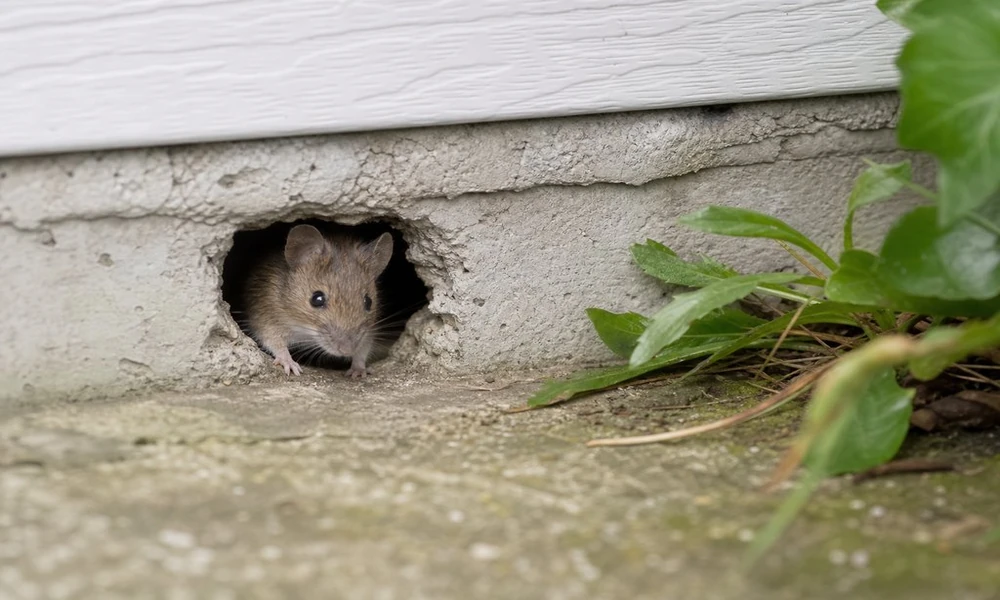
Rodents can cause significant damage to homes and commercial properties, often going unnoticed until the problem has grown. By the time you spot droppings, gnaw marks, nesting materials, or other signs of activity, rodents may already be affecting your property. Knowing what to look for and how to respond early can help prevent a minor rodent problem from turning into a costly infestation.Where Does Rodent Evidence Appear?
Most infestations can be traced back to openings that are just big enough for rodents to enter, including:
- Holes around pipes, cables, or other utility lines where they enter the building
- Cracks or holes in the foundation
- Openings around vents
- Gaps under doors
Signs that rodents are already in your property include:
- Droppings, where small piles of droppings may be found near food sources, along walls, or in utility areas that are not inspected as frequently
- Damage, where rodents will chew wires, wood, cardboard, plumbing, etc., to access food or build nests
- Rub marks, which are dark, smudgy trails along walls, pipes, or other areas that the rodents commonly travel
- Odd smells, meaning you may be able to smell rodents, droppings, urine, etc., especially if you have a large infestation
- Pets fixating on an area, as pets may stare at walls, sniff cabinets, dig at attics/basements, etc., trying to reach the sound of a rodent
Look for shredded paper, nesting materials, or other indications of burrowing activity as well. If you find droppings, chewing, nesting, or other indications of an infestation, act quickly. The longer you wait, the worse an infestation can become.
After you have a sense of the scope of your issue, it’s time to repair any openings to prevent future infestations. Inspect the exterior of your home or commercial building and pay particular attention to areas around vents, utility lines, cracks in the foundation, and other potential entry points. If you’re having trouble identifying the source of the issue, a technician specializing in rodent control in Charleston can assist with a comprehensive inspection, identify entry points, and recommend the appropriate next steps.
Use materials that won’t be easy to chew through to seal openings. Foam may be easy to apply, but it’s not necessarily the most effective. Make sure you’re using products that can withstand rodent damage. Be mindful not to block necessary drainage and ventilation when sealing gaps as well.
Prevention and Control Methods
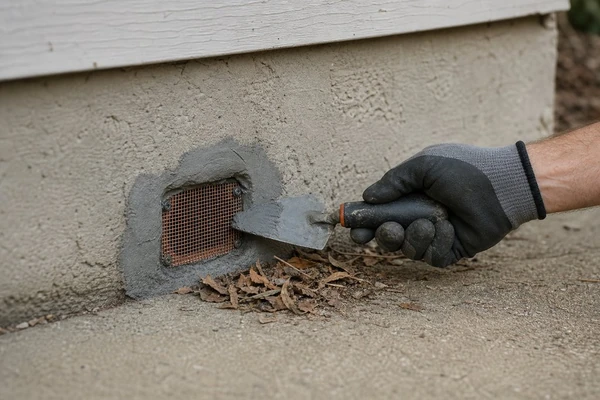
Get ahead of potential future problems by removing any attractants. Rodents come into structures in search of food, water, and shelter. Seal openings to make sure there’s nowhere to come in, remove excess vegetation and firewood near your home, and remove easy access to food and water to discourage rodents.
Inside the home, pay attention to easy-to-overlook items like crumbs, pet food left out, spills, food scraps, etc. Clean up messes right away, and store pet food and other foodstuffs in airtight containers. This will leave rodents with fewer reasons to make your property their next stop.
Once the issue has been identified, openings are sealed, and there’s less of an incentive to stay, you’ll want to remove any rodents that are still present. There are two main methods of removal: trapping or using rodenticide, which is poison. Traps can be reused and checked daily to monitor effectiveness, making them a good option in many cases.
Placing traps along walls increases the chance of success. Rodenticide may seem easier, but it has its own challenges. Pets can accidentally eat rodenticide, and dead rodents in inaccessible areas are a challenge to locate and remove. If you do opt for rodenticide, monitor your property to ensure all dead rodents are removed.
Add the roofline, siding, and any crawl space access points to your post-storm inspection checklist. While the area around the foundation might be well-sealed, heavy rains and strong winds common to Charleston’s hurricane season can lead to gaps forming higher up, especially if screens or other weatherproofing have been damaged or loosened.
Damage Still Needs Attention
Once an infestation is contained, pay attention to any damage that may have occurred during their visit. Damaged insulation may need to be removed and cleaned. Wear gloves and a mask when disturbing droppings to avoid breathing in the material. Wiring that’s been chewed should be switched off and assessed by a professional for safety. Damaged wires are a fire hazard, so don’t ignore this kind of damage. Learn more about this here.
The Next Place to Inspect
Rodent activity rarely announces itself loudly. By the time an infestation is obvious, it’s likely that the problem is already more significant than it could’ve been. Learn how to recognize subtle clues that point to rodent activity, what to do if you find them, and how to prevent them in the first place.
- Mice and Moths Aren’t Cute Anymore
- Signs of Termites vs Carpenter Ants: How to Tell the Difference
- What to Do if You Think You Have Silverfish
- What to Do About a Hornet Nest in the Wall?

Comments are closed.