
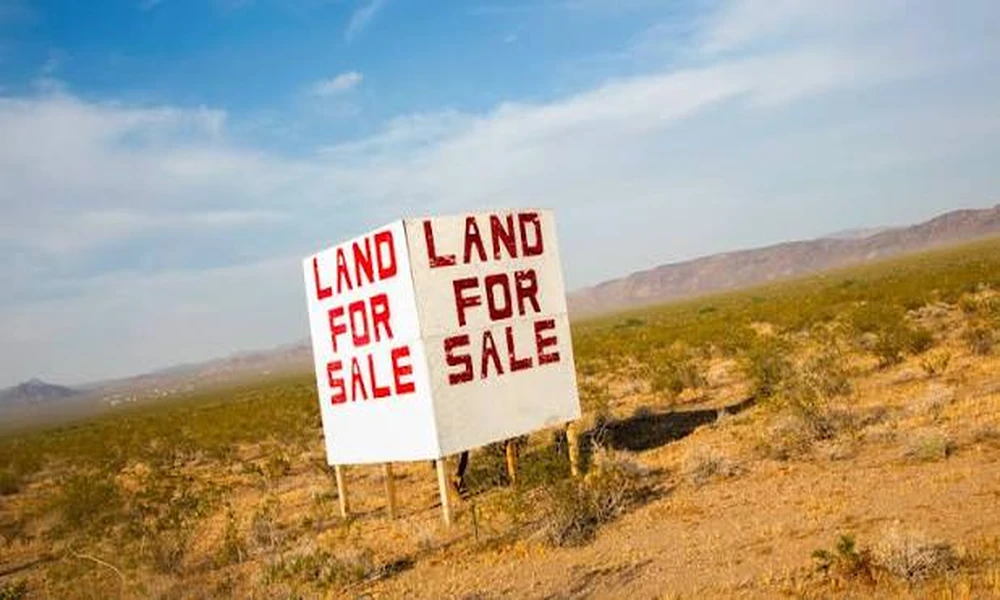
Many landowners open their mailbox to find a letter offering to buy their parcel, sometimes with a specific price already printed. These letters are common because land records are public. Some come from legitimate investors; others are careless, misleading, or outright fraudulent. Knowing how to tell them apart protects your property and your peace of mind.
Why These Letters Exist
Investors use tax and ownership records to identify parcels that might be for sale, especially those owned by people living far away. Sending mail in large batches is inexpensive, so a letter does not mean anyone has studied your land in detail. The offer printed on it is often a rough figure meant to start a conversation.
Signs of a Legitimate Buyer
Genuine purchasers usually provide a company name, a physical address, a working phone number, and a way to verify their history. They use an independent title company or attorney to close and are comfortable with you reviewing documents before signing. They do not ask for money. Reputable purchasers will also explain how they arrived at their price when asked.
Red Flags to Watch For
Be cautious if the buyer asks you to pay an upfront fee for “processing” or “title work.” Be equally wary if they want you to sign a deed before funds are secured with a neutral party. Pressure to decide within hours, refusal to put terms in writing, or a closing agent you cannot independently verify are all warning signs. Another concern is a buyer who asks you to wire money to cover an “overpayment.”
Protecting Earnest Money and Funds
In a proper transaction, an earnest payment is made by the buyer, not the seller, and held by a neutral third party. Sellers should never send funds to a buyer. Confirm any wire instructions by calling the closing office at a number you found yourself rather than one listed in an email.
Comparing Multiple Offers
If you receive several letters, treat them as a chance to compare. Contact two or three, request written offers, and ask each how closing will be handled. Talking with established cash buyers for land alongside a local agent provides useful context about whether any of the offers are reasonable.
Watching for Deed Fraud
A rarer threat involves criminals who impersonate owners of vacant land and attempt to sell it without the true owner’s knowledge. Some records offices offer free alert services that notify you if a document is recorded under your name. Signing up is a simple precaution.
Asking the Right Questions
A short call can reveal a great deal. Ask how the buyer found your parcel, whether they have visited it, how they will pay, and which title company they use. Genuine buyers answer these comfortably. Vague or evasive replies are a good reason to pause before going any further.
Final Thoughts
An unsolicited letter is neither good nor bad by itself. By verifying the buyer, insisting on a neutral closing agent, and never paying upfront, landowners can explore genuine opportunities safely. For another interesting read, browse this site.

Comments are closed.