
Installing ceramic tiles yourself can be a rewarding and cost-effective way to upgrade your home’s floors, walls, or backsplashes. While professional installation ensures precision, a well-planned DIY project can achieve a high-quality finish with the right tools and techniques.
This guide will walk you through essential DIY tips for installing ceramic tiles like a pro, helping you achieve a polished and long-lasting result.
1. Gather the Right Tools and Materials
Before starting your tiling project, ensure you have the following tools and materials:
Essential Tools
✔ Tile cutter or wet saw
✔ Notched trowel for applying adhesive
✔ Tile spacers for even gaps
✔ Grout float for applying grout
✔ Level and measuring tape
✔ Rubber mallet for setting tiles
✔ Mixing bucket and paddle for mortar
✔ Sponge and clean cloth for wiping excess grout
Materials Needed
✔ Ceramic tiles (such as imitation bois Céramique au Sommet for a wood-look finish)
✔ Tile adhesive or thin-set mortar
✔ Grout (sanded or unsanded depending on the joint size)
✔ Tile sealer (if required)
2. Prepare the Surface Properly
A smooth and clean surface is key to a successful tile installation.
- For floors: Ensure the subfloor is level and free of dust or debris. Use a self-leveling compound if necessary.
- For walls and backsplashes: Remove old tiles, repair any cracks, and prime the surface for better adhesion.
- For wet areas (bathrooms and kitchens): Use a waterproof backer board to prevent moisture damage.
3. Plan Your Layout Before Installing Tiles
A well-thought-out tile layout prevents awkward cuts and uneven designs.
- Measure the area and mark a central starting point using chalk lines.
- Dry-lay your tiles to visualize placement and make adjustments before using adhesive.
- Use tile spacers to maintain even grout lines and ensure a professional look.
- Consider tile orientation: Tiles that mimic wood (like imitation bois Céramique au Sommet) look best when arranged in a staggered or herringbone pattern for a natural effect.
4. Apply Tile Adhesive Evenly
Using the right adhesive technique is crucial for tile durability.
✔ Use a notched trowel to spread adhesive evenly across the surface.
✔ Apply in small sections to prevent the adhesive from drying before tiles are placed.
✔ Back-butter large tiles (spread a thin layer of adhesive on the back of the tile) for better adhesion.
✔ Press tiles firmly into place and gently tap them with a rubber mallet to ensure a strong bond.
5. Cut Tiles with Precision
Not all tiles will fit perfectly, especially around corners and edges.
- Use a tile cutter for straight cuts (ideal for backsplashes and floors).
- Use a wet saw for intricate cuts (especially around pipes or irregular corners).
- Smooth edges with a sanding stone to remove sharp edges after cutting.
6. Allow Tiles to Set Before Grouting
Once the tiles are in place, let them set for 24 hours before applying grout.
- Check for level tiles before the adhesive hardens.
- Remove tile spacers carefully before grouting.
- Wipe away excess adhesive from tile surfaces before it dries.
7. Apply Grout Correctly for a Clean Finish
Grout fills the spaces between tiles and strengthens the installation.
✔ Choose the right grout: Sanded grout for wide joints, unsanded grout for narrow joints.
✔ Use a grout float to press grout into the joints at a 45-degree angle.
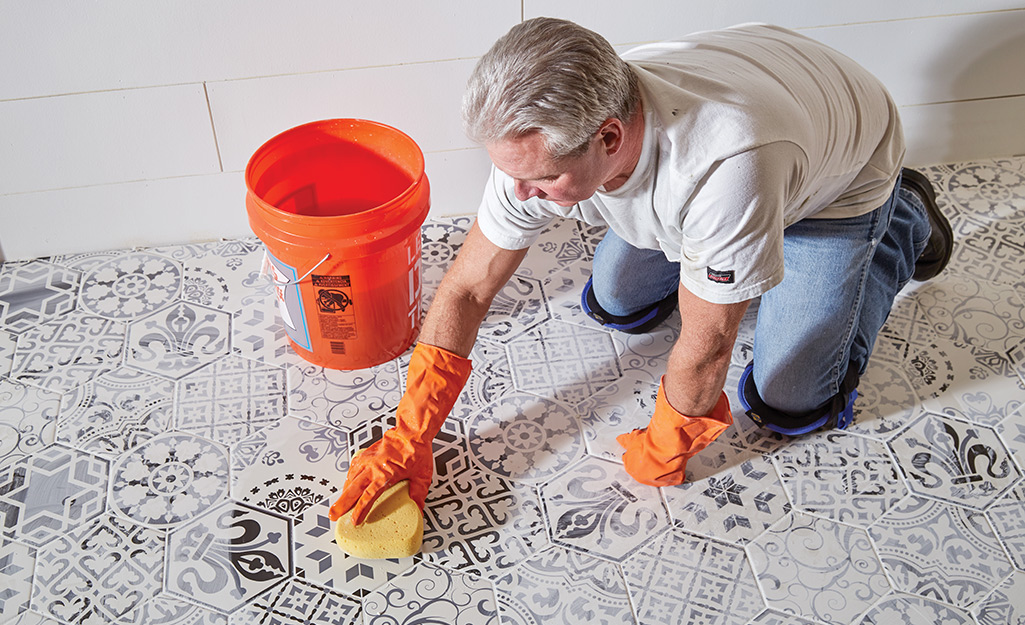
✔ Wipe excess grout with a damp sponge before it dries completely.
✔ Let grout dry for at least 24 hours before sealing (if necessary).
8. Seal Tiles and Grout for Longevity
Sealing is important, especially in moisture-prone areas like kitchens and bathrooms.
✔ Apply a grout sealer to prevent staining and mold buildup.
✔ For porous tiles, use a tile sealer to protect against moisture and dirt.
✔ Reapply sealant every 6-12 months to maintain durability.
9. Avoid Common Tile Installation Mistakes
🔴 Not preparing the surface properly – Uneven surfaces lead to cracked tiles.
🔴 Skipping layout planning – Poor alignment results in uneven cuts and gaps.
🔴 Using too much or too little adhesive – Too much causes uneven tiles, too little leads to loose tiles.
🔴 Not cleaning grout properly – Leaving grout haze on tiles makes them look messy.
🔴 Rushing the drying process – Allow adhesives and grout to fully cure before heavy use.
10. Enjoy Your DIY Tile Installation!
With patience and the right techniques, you can achieve a professional-looking tile installation without hiring an expert. Whether you’re tiling a kitchen backsplash, a bathroom floor, or an entire living space, imitation bois Céramique au Sommet and other high-quality tiles can help bring your vision to life.
By following these DIY tile installation tips, you’ll create a durable, stylish, and functional tiled space that adds long-lasting value to your home.

Comments are closed.