
In the San Joaquin Valley, summer feels less like a season and more like a long endurance test. Afternoons above 100 degrees can stretch on for weeks. Nights cool down only when the delta breeze decides to show up. The sun keeps pressing on west walls well into the evening. A house that felt comfortable when it was built decades ago often struggles under that load, and most homeowners notice it first in one stubborn room that never seems to cool off.
That is why remodeling in this region works best when heat is treated as a design input from the very first sketch, not a problem patched later with a bigger air conditioner. Design and build teams with long Valley experience, such as Rose Hill Construction, Inc., which has handled residential and commercial projects across the region for more than four decades, tend to plan layout, materials and mechanical upgrades together so each choice supports the others instead of working against them.
The principle behind it is simple. Every bit of heat kept outside the walls is heat the cooling system never has to fight. So instead of looking at a remodel room by room on a wish list, it helps to walk through the house from the roof down and ask where the sun is getting in.
Start Overhead Where the Sun Hits Hardest
The roof takes the most direct punishment in a Valley summer. Dark shingles absorb sunlight all day, and the attic beneath them can grow far hotter than the air outside. That heat then radiates down through the ceiling for hours after sunset.
Reflective roofing changes that equation. The EPA explains how cool roofs work: materials with high solar reflectance bounce sunlight away and keep roof surfaces noticeably cooler. Today that category includes light colored shingles, coated tile and metal panels, so homeowners are no longer stuck choosing between a bright white roof and curb appeal.
The attic deserves equal attention. Many older homes run their ductwork through that superheated space, which means cooled air warms up before it even reaches a vent. A remodel is the ideal time to seal leaky duct joints, add insulation, or rethink whether ducts belong up there at all. Ductless systems and ducts relocated into conditioned space are becoming common answers in hot inland regions.
West Walls and the Late Afternoon Problem
Ask any Valley homeowner which room is worst at 6 p.m. and the answer usually faces west. Low evening sun slips under eaves and pours straight through glass, heating floors, furniture and walls that then release that warmth well into the night.
Window replacement helps, especially units with a low solar heat gain rating, but glass alone rarely solves it. The most effective fixes stop sunlight before it reaches the window:
- A deep overhang or attached patio cover on the west side of the house
- Exterior solar screens, which block heat outside instead of trapping it behind interior blinds
- Shade trees planted at a sensible distance from the foundation, keeping in mind the clay soils common around Manteca and Stockton
- Smaller west windows in a new addition, with daylight borrowed from north facing clerestory glass instead
When a remodel includes an addition, orientation is the cheapest energy upgrade available. Shifting a family room or primary bedroom a few feet, or turning it to face north, costs almost nothing on paper and pays back every summer afterward.
Kitchens That Stop Fighting the Thermostat
Kitchens generate their own heat, and in July that matters. Gas burners throw warmth into the room even when only one pot is simmering. Induction cooktops, by contrast, heat the pan directly and leave the surrounding air far cooler, which is one reason they keep gaining ground in California remodels as the state nudges new work toward electric appliances.
A properly ducted range hood that vents outdoors, rather than one that simply recirculates air, pulls cooking heat and moisture out before it spreads. LED lighting throughout the kitchen removes another small but constant heat source.
There is also a clever pairing worth considering. Heat pump water heaters work by pulling warmth from the surrounding air. Placed in a hot garage, they actually run more efficiently in summer while cooling that space slightly. It is a rare case where Valley heat becomes an advantage.
The Garage, the ADU and the Spaces Between
An attached garage on the west side behaves like a heat battery. It soaks up warmth all afternoon and shares it with whatever room sits on the other side of the wall. Insulating the garage door and the shared wall can make a surprising difference to the bedroom or kitchen next door.
Garage conversions and backyard accessory dwelling units have grown popular as California loosened rules around them. In this climate, an ADU needs to be built for heat from day one, with solid insulation, careful window placement and its own efficient cooling system, usually a ductless mini split. A detached unit placed thoughtfully can even cast useful afternoon shade on the main house.
Outdoor Rooms People Actually Use
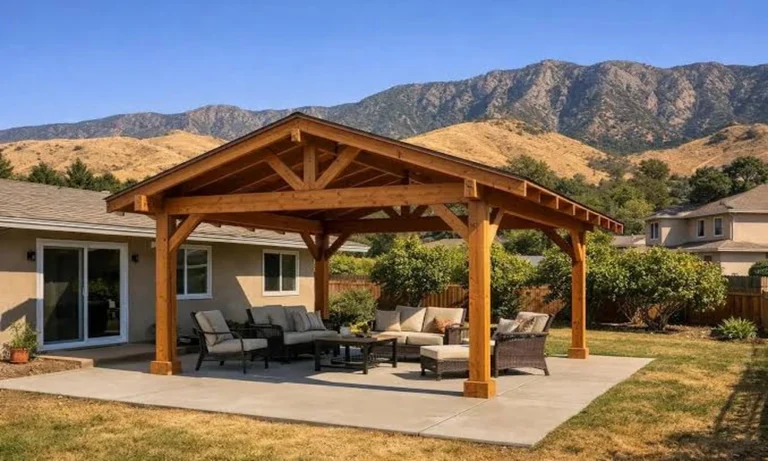
Outdoor living spaces are high on many Valley wish lists, yet plenty of patios sit empty from June through September. The difference is usually shade and placement.
A patio on the east side of the house enjoys cool mornings and falls into shadow by afternoon. Pergolas with adjustable louvers let homeowners open the space in spring and close it down in midsummer. Because Valley air is dry, misting systems work far better here than in humid climates, dropping the felt temperature on a covered patio by a meaningful margin.
Hardscape choices matter too. Dark concrete stores heat and releases it long after sunset, while lighter pavers and some planted ground cover keep the area usable into the evening.
Planning Around the Calendar and Beyond It
Timing a project around the weather saves money and frustration. Fall and winter are the best months for design work and permits, so construction can begin in spring before the heat peaks. Roofing crews and concrete pours both benefit from cooler mornings, and a house without working air conditioning in August is no place to live through a renovation.
There is a bigger reason to think this way as well. Heat waves are getting longer, and federal extreme heat guidance from Ready.gov emphasizes keeping homes cool and prepared for the stretches when temperatures stay high for days. A home that holds its coolness during a power outage or a run of 108 degree afternoons is not just more comfortable. It becomes a genuine refuge for the people living in it.
Seen that way, every remodeling decision in the Valley, from roof color to window size to where the patio goes, quietly shapes how a house will feel on its hottest day. Getting those choices right once means enjoying the results every summer that follows.