
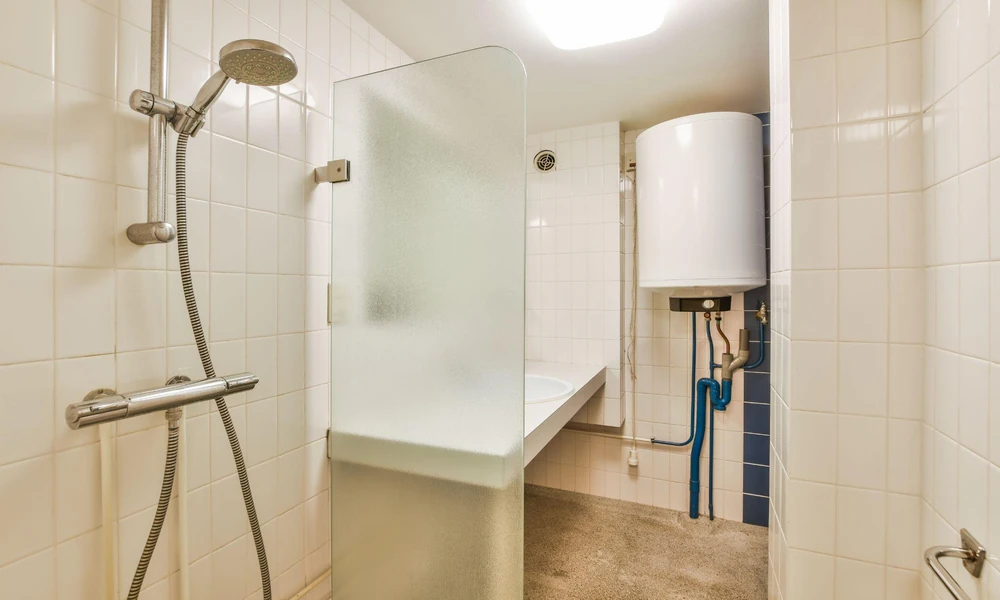
Nothing ruins a morning routine quite like a shower that suddenly swings from soothingly warm to icy cold or scalding hot. When taking a shower, you expect a consistent stream of hot water at your chosen temperature. However, many households experience unpredictable thermal swings from their hot water tanks. Understanding why electric storage water heaters fail to maintain a steady temperature helps you identify underlying mechanical issues and restore reliable hot water to your home.
Unravelling the Secrets of Thermostat Performance
The thermostat acts as the brain of your hot water system, constantly sensing internal water temperatures and signalling heating elements to turn on or off. When a thermostat starts failing or loses proper calibration, it sends inaccurate signals to the system. This miscommunication leads to erratic heating cycles, causing water temperatures to spike unexpectedly or drop rapidly during normal use.
Dual-element storage tanks feature upper and lower thermostats that work together to maintain uniform heating throughout the cylinder. If one thermostat breaks down or recalibrates improperly, the heating elements fail to operate in sync. The upper section of the tank might hold piping-hot water while the lower section remains lukewarm, delivering wildly fluctuating streams directly to your showerhead as water flows through the system.
The Threat of Sediment Build-Up and Scale
Mineral deposits pose a significant threat to internal heating efficiency, particularly in hard water areas. Minerals like calcium and magnesium settle at the bottom of the storage tank over time, forming a dense layer of sediment that covers the lower heating element. This mineral crust acts as an insulating barrier, preventing the heating element from efficiently transferring thermal energy to the surrounding water.
| Trigger Factor | Underlying Cause | Thermal Impact | Corrective Solution |
| Thermostat Malfunction | Faulty sensor or poor calibration | Sudden spikes or sudden drops in shower temperature | Recalibrate settings or replace damaged thermostat sensors |
| Sediment Accumulation | Heavy mineral scale coating heating elements | Inconsistent heating speeds and lower overall tank capacity | Flush internal storage tank annually to remove mineral buildup |
| Dip Tube Fracture | Damaged cold-water intake tube inside tank | Incoming cold water mixes directly with outgoing hot water | Install a fresh replacement dip tube inside the cylinder |
| Simultaneous Demand | Multiple taps running concurrently in home | Pressure drops that pull cold water into hot lines | Install pressure-balancing valves across domestic plumbing |
As sediment layers thicken, the lower element works harder and overheats, leading to delayed heating recovery times. Consequently, running out of hot water happens much faster than usual during peak household usage hours. Flushing the tank regularly removes accumulated sediment, protecting internal components and maintaining steady heating performance across every cycle.
How Broken Dip Tubes Ruin Your Shower
Inside every electric storage water heater from reliable air solutions, a long plastic tube called a dip tube directs incoming cold water straight to the bottom of the tank, where heating elements quickly warm it up. Because warm water naturally rises to the top of the tank, outgoing hot supply pipes draw exclusively from the hottest upper layers.
When a dip tube cracks, breaks, or disintegrates due to age, cold water enters near the top of the tank instead of the bottom. This cold incoming water mixes directly with the hot water waiting at the top outlet, instantly diluting the supply heading to your taps. Replacing a broken dip tube immediately restores proper water stratification inside the unit and prevents sudden thermal drops during your shower.
Plumbing Pressure Swings and Simultaneous Demand
Sometimes, temperature fluctuations stem from external plumbing dynamics rather than internal tank failures. Running multiple water fixtures simultaneously across your home alters pressure dynamics within domestic supply pipes. Flushing a toilet, running a washing machine, or turning on a kitchen tap diverts cold water away from mixing valves, causing hot water pressure to surge at your showerhead.
Installing thermostatic mixing valves or pressure-balancing shower valves resolves this issue effectively. These specialized valves automatically adjust cold and hot water pressure in real time, compensating for sudden demand shifts elsewhere in the house. Upgrading your domestic pipe design ensures comfortable, stable shower temperatures regardless of household water use.
Frequently Asked Questions
Why does my shower turn cold before the storage tank runs out of water?
A fractured dip tube usually causes this issue by depositing cold incoming water directly near the top hot outlet, diluting heated water before the tank actually empties its stored supply.
How often should I flush my electric storage tank to prevent temperature issues?
Flushing electric storage water heaters once every twelve months removes mineral scale and sediment buildup, keeping internal heating elements working efficiently and maintaining consistent water temperatures.
Can a faulty heating element cause temperature fluctuations?
Yes, a burnt-out or failing heating element forces the remaining element to carry the entire load, resulting in uneven heating, slower recovery rates, and erratic water temperatures throughout the day.
Contact KDK to keep your utility areas dry, fresh, and free from excess humidity.

Comments are closed.