
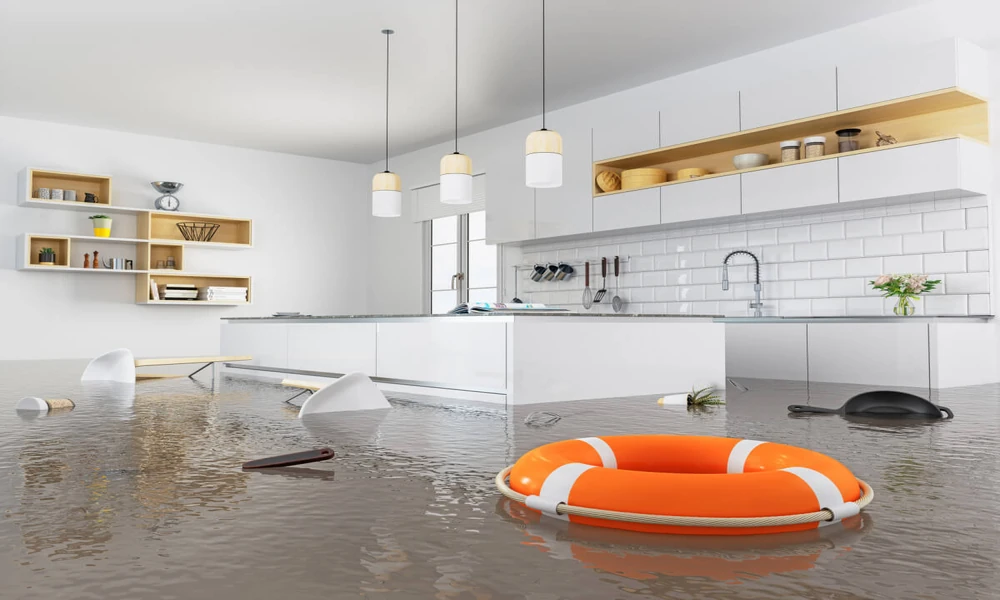
A flooded basement is one of the most frustrating problems a homeowner can face. Even a small amount of water can damage flooring, drywall, furniture, stored belongings, and electrical systems. In some cases, moisture can also create long-term problems that require extensive repairs. While heavy rain and severe storms often increase the risk of flooding, water can enter a basement for many different reasons, including plumbing leaks, poor drainage, foundation cracks, or groundwater buildup.
The good news is that many basement flooding problems can be reduced or even prevented with regular maintenance and a few practical improvements around your home. Whether you’re preparing for the rainy season or simply looking to protect your property year-round, investing in sump pumps for basement protection is one of several smart steps homeowners can take to help reduce the risk of costly water damage.
1. Install and Maintain a Reliable Sump Pump
A sump pump is one of the most effective tools for preventing basement flooding. It is designed to collect excess groundwater in a sump pit and pump it safely away from your home’s foundation before water levels become a problem.
However, simply installing a sump pump isn’t enough. Like any mechanical equipment, it requires routine maintenance to perform properly when it’s needed most. Testing the pump before the rainy season, cleaning the sump pit, and checking that the discharge pipe is free of obstructions can help ensure the system operates efficiently during heavy rainfall.
If your area experiences frequent storms or power outages, adding a battery backup system can provide extra protection when the main electrical supply is unavailable.
2. Keep Gutters and Downspouts Clean
Your home’s gutter system plays a much bigger role in flood prevention than many people realize. Gutters collect rainwater from the roof and direct it away from the foundation. When they become clogged with leaves, twigs, and debris, water can overflow and collect around the base of your home.
Over time, this excess moisture can seep into the soil surrounding the foundation and eventually find its way into the basement.
Cleaning gutters regularly and making sure downspouts extend several feet away from the home helps direct rainwater where it belongs and reduces pressure around the foundation.
3. Improve Drainage Around Your Home
Poor drainage is one of the leading causes of basement water problems. If water naturally flows toward your home’s foundation instead of away from it, your basement becomes much more vulnerable during periods of heavy rainfall.
Walk around your property after a storm and look for areas where water pools or remains standing. These low spots may need additional grading or landscaping adjustments to improve drainage.
The goal is to encourage rainwater to flow away from the house rather than collecting near basement walls.
4. Seal Foundation Cracks
Even small cracks in your basement walls or foundation can allow moisture to enter over time. During periods of prolonged rain or melting snow, water pressure against the foundation may increase, making these small openings more noticeable.
Inspect your basement walls regularly for visible cracks, gaps, or signs of moisture. While minor cracks may sometimes be sealed with appropriate repair materials, larger or expanding cracks should be evaluated by a qualified professional to determine whether structural repairs are necessary.
Addressing foundation issues early can help prevent larger water problems in the future.
5. Test Your Basement Drain System
Many basements include floor drains that help remove excess water if minor flooding occurs. These drains should be inspected periodically to ensure they remain free of dirt, debris, and other blockages.
A blocked drain may prevent water from flowing away efficiently during an emergency, allowing it to collect inside the basement instead.
Routine cleaning and occasional testing help confirm that drainage systems are functioning properly before they’re needed.
6. Watch for Early Signs of Moisture Problems
Water damage often begins long before standing water appears on the floor. Paying attention to early warning signs allows homeowners to address problems before they become more serious.
Look for signs such as:
- Damp or musty odors
- Water stains on walls or floors
- Peeling paint near basement walls
- White mineral deposits on concrete surfaces
- Mold or mildew growth
- Condensation on windows or pipes
- Soft or warped flooring
- Visible cracks in walls or the foundation
These symptoms don’t always indicate flooding, but they often suggest that excess moisture is entering the basement and should be investigated.
7. Inspect Plumbing Regularly
Not every basement flood is caused by rain. Plumbing leaks, burst pipes, failed water heaters, and damaged washing machine hoses can all release significant amounts of water into a basement.
Regularly inspect exposed plumbing for signs of corrosion, loose fittings, or slow leaks. Replacing aging hoses and repairing small leaks promptly can help prevent unexpected water damage inside the home.
Routine plumbing maintenance is especially important in older homes where pipes may be nearing the end of their service life.
8. Store Valuable Items Above Floor Level
Even with preventive measures in place, unexpected water events can still happen. Protecting valuable belongings by storing them above floor level helps reduce potential losses.
Use sturdy shelving instead of placing boxes directly on the basement floor. Important documents, electronics, photographs, and sentimental items should be stored in waterproof containers whenever possible.
Taking these precautions can make cleanup much easier if water ever enters the basement.
9. Landscape With Water Flow in Mind
The way your yard is designed can influence how water moves during heavy rain. Trees, flower beds, retaining walls, and walkways should all support proper drainage rather than directing water toward your home’s foundation.
Avoid placing large landscaping features where they may trap water near the basement walls. If necessary, consult a landscaping professional about grading improvements that encourage runoff to move safely away from the house.
Thoughtful landscaping can become an important part of a comprehensive flood prevention strategy.
10. Schedule Regular Home Maintenance
Preventing basement flooding isn’t about relying on a single solution. Instead, it involves regularly inspecting the different systems that protect your home from water damage.
Checking your roof, gutters, plumbing, drainage, foundation, and sump pump throughout the year allows you to identify small issues before they become expensive repairs. Seasonal maintenance is particularly valuable before periods of heavy rainfall or severe weather.
By making inspections part of your regular home maintenance routine, you can reduce the likelihood of unexpected water problems while helping your home’s protective systems continue to perform effectively.
The Bottom Line
Basement flooding can lead to expensive repairs, damaged belongings, and significant disruption to your home. Fortunately, many common causes of water intrusion can be addressed through routine maintenance, proper drainage, and early attention to developing problems.

Comments are closed.