Tag

construction

Browsing

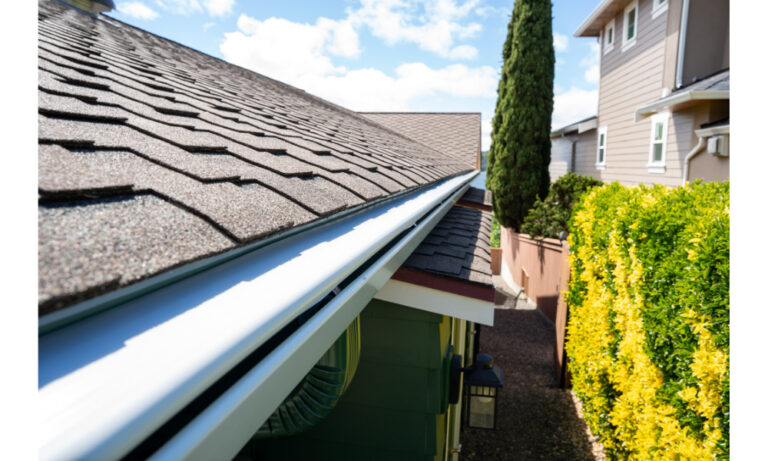
Protecting your home from water damage is one of the most important aspects of home maintenance. Rainwater can cause serious issues if it is not directed away from your house properly. From foundation damage to roof leaks and mold growth, unmanaged water can lead to costly repairs. Installing a reliable gutter system is essential, and K-Guard gutters offer homeowners an effective and long-lasting solution to this problem.

What Makes K-Guard Gutters Stand Out

K-Guard gutters are designed with durability and efficiency in mind. Unlike traditional gutters, which can easily clog or bend under pressure, K-Guard gutters feature a solid, one-piece design that resists dents and weather-related damage. Their protective covers prevent leaves, twigs, and other debris from entering the gutter, which reduces maintenance and keeps water flowing smoothly. This unique design ensures that your home stays protected without frequent cleaning or repairs.

Long-Lasting Materials for Maximum Protection

One of the reasons K-Guard gutters are so reliable is their high-quality construction. Made from heavy-duty aluminum, these gutters resist rust, corrosion, and fading, even under harsh weather conditions. The durable material ensures that the gutters maintain their strength and appearance for many years. Homeowners can trust that these gutters will continue to perform effectively without compromising the aesthetics of their home.

Effective Water Management

Proper water management is crucial to prevent damage to your home’s foundation, landscaping, and exterior walls. K-Guard gutters are engineered to handle large volumes of rainwater efficiently. Their design allows water to flow freely through the system and directs it safely away from your home. This prevents water from pooling near your foundation, which can cause erosion, cracks, and basement flooding. By controlling water flow, these gutters contribute to the long-term stability and safety of your home.

Low Maintenance for Busy Homeowners

Many homeowners struggle to keep up with gutter maintenance. Traditional gutters often require frequent cleaning to remove leaves and debris, which can be time-consuming and potentially dangerous. With K-Guard gutters, the built-in covers keep most debris out while allowing water to flow freely. This reduces the need for constant cleaning and makes it easier for homeowners to focus on other aspects of home care.

Protection Against Harsh Weather

Weather-related damage is a major concern for gutter systems. Heavy rain, snow, and ice can cause gutters to bend, leak, or detach from the house. K-Guard gutters are designed to withstand these challenges. Their reinforced structure ensures stability under heavy loads, while the protective cover prevents clogs and ice dams from forming. This added resilience helps protect your home year-round, even in extreme weather conditions.

A Smart Investment for Homeowners

Installing K-Guard gutters is not just about immediate protection; it is also a long-term investment in your property. By preventing water damage, these gutters can save homeowners thousands of dollars in repairs and maintenance over time. Additionally, a well-maintained gutter system enhances the curb appeal and overall value of your home, making it a wise choice for anyone looking to safeguard their investment.

Easy Installation and Reliable Service

Another advantage of K-Guard gutters is their straightforward installation process. Many homeowners find that professional installation ensures proper alignment and performance, but the system is designed to fit most homes efficiently. Combined with reliable customer support and warranty options, K-Guard gutters provide peace of mind, knowing that your home is protected by a trusted and established brand.

Conclusion

Protecting your home from water damage is essential for maintaining its structure and value. K-Guard gutters offer a dependable, long-lasting solution that combines durability, effective water management, and low maintenance. With their high-quality materials, innovative design, and resistance to harsh weather, these gutters provide homeowners with the peace of mind that their home is well-protected. Investing in K-Guard gutters is not only a smart choice for immediate protection but also a long-term strategy for preserving your property.

Homeowners must maintain asphalt driveways, walkways, and private roads, tackling cracks, potholes, and wear. Timely repairs and the right compaction equipment are vital for achieving smooth, durable, and long-lasting surfaces. Two popular options are mini road rollers and plate compactors. While both tools serve the same purpose—compressing asphalt for strength and stability—their designs, capabilities, and suitability for home projects differ.

Understanding the Basics

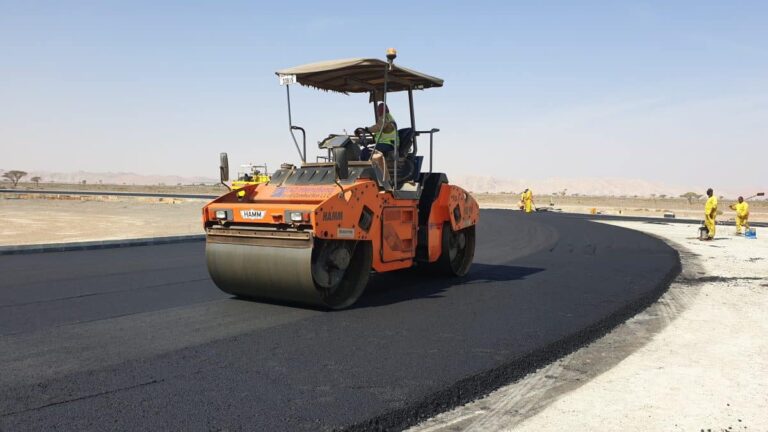
A mini road roller is a scaled-down version of the heavy rollers used in large road construction projects. It uses its weight combined with vibration to compact asphalt and other base materials. Mini rollers can be either walk-behind or ride-on, depending on the model.

A plate compactor uses a vibrating steel plate to quickly compress and stabilize surface materials. Plate compactors are smaller, lighter, and generally easier to maneuver than rollers, making them a common choice for small-scale paving and landscaping tasks.

Advantages of Mini Road Rollers

Superior Compaction Depth
Mini road rollers offer deeper and more uniform compaction compared to plate compactors. This makes them especially effective for thicker asphalt layers or larger driveway patches.

Smoother Finish
The drum of a roller glides across asphalt, producing a sleek, professional-looking surface. This finish is harder to achieve with the vibrating action of a plate compactor.


Efficiency on Larger Areas
For homeowners repairing longer driveways or multiple sections, mini road rollers cover more ground quickly, reducing the number of passes required.

Durability of Repairs
Because of their greater compaction force, rollers often result in stronger, longer-lasting asphalt repairs.

Advantages of Plate Compactors

Affordability
Plate compactors are less expensive to purchase or rent, making them accessible for homeowners who only need equipment occasionally.

Maneuverability
Their compact size and lighter weight make plate compactors easier to handle, especially in tight spaces like corners, edges, or around obstacles.

Versatility
In addition to asphalt, plate compactors are effective for compacting soil, gravel, and sand, which are common in landscaping projects.

Availability
Widely rented machines, many built specifically for beginner use.

Limitations to Consider

  • Mini road rollers are heavier, harder to transport, and may require a trailer for delivery. Their rental cost is usually higher than that of plate compactors.
  • Plate compactors can struggle with thicker asphalt layers, requiring more passes and still leaving the repair less durable compared to roller-compacted surfaces.

Which Tool Is Better for Home Asphalt Repairs?

The decision depends largely on the scale and type of project:

  • Choose a mini road roller if you are resurfacing a long driveway, working with thicker asphalt layers, or seeking a professional-grade finish. The roller’s compaction depth and smooth results justify the extra rental cost for larger jobs.
  • Choose a plate compactor if your project is smaller in scope, such as patching potholes, repairing narrow walkways, or compacting areas where maneuverability is essential. A plate compactor is more practical and affordable for these situations.

Renting vs. Buying

For homeowners, renting is usually the smarter choice, as both machines are specialized and not frequently used. Rental outlets provide daily or weekly rates that keep costs reasonable. Contractors or professionals who handle asphalt repairs regularly may consider purchasing, and working directly with a plate compactor manufacturer can ensure access to durable, reliable equipment.

Practical Tips for Home Asphalt Repair

  • Preparation Matters – Always clean the damaged area, remove debris, and ensure a solid base before laying asphalt.
  • Use Proper Materials – Choose the correct type of hot or cold asphalt mix suited for your climate and repair size.
  • Compact in Layers – For deeper repairs, apply asphalt in thinner layers and compact each one to maximize strength.
  • Inspect the Finish – After compaction, check the surface for evenness and fill in any low spots before the asphalt cools.

Both mini road rollers and plate compactors have their place in home asphalt repair. For larger areas requiring a durable, smooth finish, the mini road roller stands out. For smaller, more budget-conscious projects, the plate compactor is often sufficient. Understanding the strengths and limitations of each machine ensures homeowners can make informed decisions, leading to cost-effective and long-lasting results.


When it’s time for a commercial roofing installation, knowing what to expect can make the process more efficient, less stressful, and ultimately more successful. Whether you’re upgrading an aging roof or installing a new system on a brand-new building, a clear understanding of the phases involved can help you plan, budget, and prepare accordingly.

1. Initial Consultation and Roof Assessment

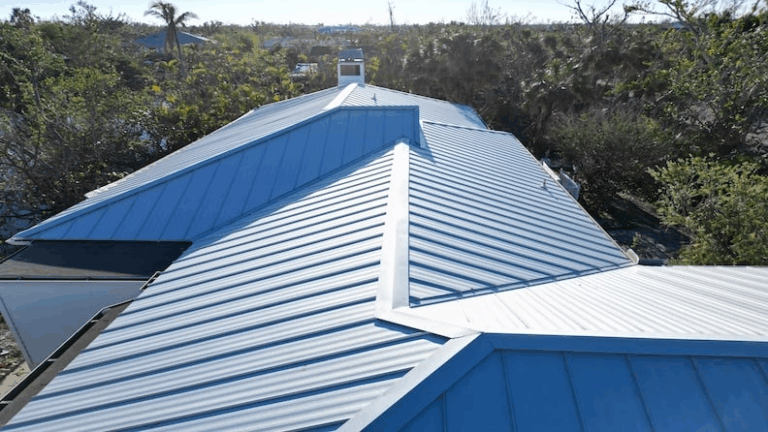
The process begins with a thorough roof inspection and consultation. A professional commercial roofing contractor will assess your current roof (if applicable), structural requirements, insulation needs, and drainage systems. They’ll also help you determine the best roofing material—options include TPO, EPDM, PVC, metal, or modified bitumen—based on your budget, building type, and local climate.

During this phase, you’ll receive a detailed proposal outlining the scope of work, timeline, and estimated cost. Be sure to ask questions and confirm details like warranty coverage and maintenance recommendations.

2. Permitting and Scheduling

Before any work begins, permits may be required depending on your local municipality. Your roofing contractor typically handles this process to ensure all regulations and safety codes are met. Once the paperwork is complete, the installation will be scheduled.

Expect some flexibility in start dates, especially if weather conditions or supply chain issues are involved. Your contractor should keep you informed throughout this phase.

3. Preparing the Job Site

Before installation, the site will be prepared to ensure safety and minimize disruption. This includes placing dumpsters, setting up perimeter fencing or barriers, and delivering materials. If your building is occupied during construction, your roofing company should develop a plan to protect tenants, employees, and visitors.

Noise, dust, and vibrations are inevitable during a commercial roofing project, but a reputable contractor will implement strategies to limit disruption to your operations.

4. Roof Removal and Surface Prep

If an existing roof needs to be removed, this is the first step once work begins. The crew will strip off the old materials and inspect the underlying structure. Any necessary repairs to the deck or insulation will be addressed at this stage to ensure a solid foundation for your new roof.

5. Roof Installation

Now comes the main event—installing the new roofing system. The time frame for this step varies depending on the size and complexity of the project, as well as the type of roofing material used. Skilled professionals will lay insulation, seal seams, and install flashings and other critical components to ensure the roof is watertight and energy-efficient.

6. Final Inspection and Clean-Up

Once installation is complete, the contractor will conduct a final inspection to ensure everything meets quality and safety standards. Debris will be cleared from the site, and you’ll receive documentation including warranties, maintenance instructions, and any necessary certifications.

Ready for a Reliable Commercial Roofing Installation?

At Old Time Roofing, we specialize in stress-free, high-quality commercial roofing services nationwide. Whether you’re replacing an old system or building from scratch, we’re here to guide you every step of the way.

Contact us today for a free consultation and discover why businesses trust us for expert commercial roofing installation.

This post was written by Ted Williams! Ted is the owner of A Old Time Roofing which is the premier Pinellas County Commercial Roofing company! Ted is a Master Elite Weather Stopper GAF Roofing Contractor, a double award winner of Best Steep-Slope Contractor from GAF and achiever of Master Elite Consumer Protection Excellence from GAF. He has been serving the Pinellas County area since 1978. Old Time Roofing has a tradition of quality workmanship, servicing residential and commercial properties.


A fireplace is not only a beautiful addition to any home, but it also offers warmth and ambiance during colder months. However, to enjoy its benefits safely and efficiently, the installation process must be performed by professionals. Mistakes in installation can compromise both performance and safety, leading to expensive repairs and unnecessary risks for your family. That’s why trusting experts for your fireplace installation in Duluth is the first step to ensuring years of comfort and reliability.

When done right, a fireplace enhances both the style and function of your living space. The materials and techniques used in its construction, along with proper planning, are key factors in maximizing its lifespan and effectiveness.

Importance of Proper Installation for Fireplace Performance

Professional installers bring experience, technical skills, and a deep understanding of building codes and safety standards. They assess your home’s structure, choose the optimal location, and make sure ventilation is correctly handled. This is essential for preventing issues like smoke buildup, carbon monoxide leaks, and poor heating efficiency.

A skilled team will select the best layout and design to match your preferences while ensuring the fireplace operates at peak performance. The right installation prevents common pitfalls that can lead to uneven heating or excessive wear over time.

Best Materials to Use in Fireplace Construction

One crucial element of a successful fireplace is choosing the right construction materials. The quality and durability of these materials impact both safety and long-term maintenance. Knowing the best materials to use in fireplace construction highlights the importance of selecting components that withstand high temperatures and resist corrosion.

Firebricks, high-grade mortar, and proper insulation are all essential components of a safe and efficient fireplace. Using suitable materials also minimizes the chances of cracks or deterioration, reducing the likelihood of future repairs. Thoughtful selection during the installation process pays off in the form of reliable, low-maintenance performance.

Recognizing Signs Your Fireplace Needs Repair

Even with expert installation, ongoing care is vital. Over time, fireplaces can develop issues that affect their function and safety. Learning to spot the common signs your fireplace needs repair allows you to address problems before they become serious.

Look for visible cracks in the masonry, unusual odors during operation, or excessive smoke inside your home. Difficulty starting fires, weak heat output, or sudden drops in efficiency are also warning signs. Addressing these issues promptly with professional help ensures your fireplace remains a safe and inviting feature in your home.

Conclusion

A well-installed fireplace brings warmth, comfort, and beauty to your living space, but only if every step is handled with expertise. Prioritizing professional installation, quality materials, and attentive maintenance guarantees optimal performance and safety for years to come. Recognizing and addressing issues early allows you to enjoy your fireplace to the fullest without unnecessary worry. With the right approach, your fireplace will continue to be a reliable centerpiece for family gatherings and relaxation. Make safety and quality your top priorities for a truly enjoyable and long-lasting fireplace experience.

Building a home is one of the most significant investments anyone can make. From the foundation to the finishing touches, quality control plays a vital role in ensuring that every detail is perfect. If you’re searching for a trusted home construction company in Cleveland, TN, understanding how they prioritize quality is essential. Professional construction companies follow detailed processes to ensure your home is safe, durable, and meets your specific needs.

Importance of Quality Control in Home Construction

Quality control in home construction goes beyond checking measurements or verifying materials. It encompasses the entire construction process, ensuring that every phase adheres to industry standards and the client’s expectations.

Professional construction companies focus on delivering well-structured, durable homes by maintaining detailed quality checks. These checks reduce the likelihood of costly repairs in the future, provide peace of mind, and protect your investment. After all, a home built with precision today stands strong for years to come.

Adhering to Industry Standards

Every reputable construction company operates according to local building codes and industry standards. They incorporate an in-depth understanding of zoning laws, permit requirements, and environmental impacts. This diligence ensures the homes they build meet structural integrity and safety guidelines, minimizing any chance of legal or structural issues.

Certified contractors and licensed workers are employed to ensure skilled craftsmanship. These professionals understand the significance of each step in the process, from site preparation to roofing, and work to maintain excellence throughout.

Materials and Suppliers Selection

The selection of materials is a crucial aspect of home construction that directly affects the quality and longevity of the build. Experienced companies collaborate with trusted suppliers, ensuring they procure high-quality raw materials for every project.

Rather than cutting costs on substandard materials, professionals prioritize durability and aesthetic value. Additionally, they maintain strong supplier relationships to access top-tier products. Transparency in material selection ensures homeowners know exactly what is used in construction, fostering trust.

Comprehensive Inspection Processes

Regular inspections are integral to maintaining high standards. Professional construction companies schedule detailed evaluations at every stage of the project. Inspections begin with foundation work, extend to structural framing, and continue through electrical wiring and plumbing installations.

Such thorough inspections ensure that issues are caught and addressed early, preventing delays or future headaches for homeowners. These checks involve assessing both aesthetics and functionality to confirm that everything aligns with client expectations.

Using Technology for Precision

The integration of technology has revolutionized the construction industry, allowing for more precise planning and execution. Reputable companies use advanced tools, software, and machinery to eliminate human error and streamline processes. For example, laser technology can assist in accurate measurements, while project management software ensures all team members collaborate effectively.

This way, home construction projects are executed efficiently and to the highest standard without compromising on quality or timelines.

Offering Warranty and Post-Construction Services

Quality control extends beyond the completion of a home. Responsible companies offer warranties to back their work, addressing concerns like structural integrity or equipment functionality. They also provide post-construction services, ensuring clients can rely on professional support for any adjustments or fixes beyond the initial build.

Such commitments not only ensure long-term customer satisfaction but also prove the company’s dedication to delivering a well-built home.

Partnering with Reliable Professionals

Quality in construction isn’t just about materials or technology; it’s also about the team behind the project. Trusted professionals bring years of expertise to the table, blending technical know-how with creative solutions. These teams emphasize clear communication with clients, providing updates and understanding their concerns.

To ensure your project aligns with the same values, always work with professionals who demonstrate a proven track record of delivering quality results. Researching their construction process and project history can provide valuable insights before committing to their services.

Polished homes, built to last, are often the outcome when experts are involved. Quality is never a coincidence; it’s the result of meticulous planning and execution.

Also Read: How To Make Sure Your New-Construction Home Is Built To The Highest Quality

Conclusion

Choosing professionals ensures your home meets safety standards, lasts for years, and offers maximum comfort to your family. Trusting experts removes the burden of micromanaging each detail yourself and guarantees every aspect of the build is done right the first time.

If you’ve been considering quality-focused professionals for your home build, it’s essential to collaborate with those who emphasize not only reliable construction practices but also unparalleled long-term value. Never underestimate the importance of having skilled experts by your side during this significant life milestone.

This suburban community in Texas stands out for people looking for real estate opportunities. It’s fast growth provides several options for developers, investors, and purchasers in this region. This vibrant community provides the perfect environment whether you want a quiet getaway or a location to start a company. Country Ridge Melissa TX growing appeal for real estate investment comes from the surrounding natural beauty and convenient access to major cities.

The Appeal of the Area

This area is a little but active community recognized for its appeal and close proximity to city conveniences. Just north of Dallas, it strikes a great mix between suburban peace and city convenience. Many are attracted to this region for its capacity to offer a calm getaway from bigger cities, although it is close to important centers. The continuing construction and enhanced infrastructure make it an attractive place for families and anyone wanting to appreciate the best of both worlds.

Why Choose This Growing Community for Your Next Investment?

Among the more promising communities in the area is Country Ridge Melissa TX, where possibilities abound for those looking for business or residential real estate. From recently built houses to large lots appropriate for bespoke construction, the community provides a variety of housing types. As the area grows in population and local infrastructure gets better, investors will discover great possibilities for future development. The natural setting and residential charm provide a warm welcome for newcomers wishing to settle down or grow their portfolios.

Living in a Vibrant Area

Being in this expanding neighborhood means relishing a calm surrounding with all the contemporary conveniences you require. The region is renowned for its great schools, parks, and leisure activities, which make it perfect for families. Local companies help to make the community more appealing by providing handy shopping, dining, and services. Affordable housing choices and a friendly environment make it clear why so many individuals are deciding to relocate here and call it home.

It, keeps growing, which makes it one of the finest real estate prospects in the area. The area’s consistent expansion and attractive features make it a sensible option whether you are thinking about moving or want to buy property. The tranquil environment guarantees that it will stay a sought-after location for years to come by combining it with good infrastructure and near access to cities.

Health Implications of Asbestos Exposure

Asbestos is a mineral fiber that was once widely used in building materials. It’s dangerous when disturbed, releasing tiny fibers into the air. Inhaling these fibers can lead to serious health issues. Diseases caused by asbestos exposure include lung cancer, mesothelioma, and asbestosis. These conditions often take years to develop, making early detection difficult. People renovating older homes are at risk, especially if they disturb materials like insulation, floor tiles, or roofing that might contain asbestos. It’s crucial to handle asbestos with care and to consult professionals for safe removal.

Environmental Impact of Asbestos Disposal

Improper disposal of asbestos can harm the environment. When asbestos waste is not handled correctly, fibers can contaminate air and water. This poses a risk not only to those directly involved in renovation projects but also to the wider community. Asbestos waste should be double-bagged, sealed, and labeled before being taken to designated disposal sites. These sites have specific protocols to prevent environmental contamination.

Legal Consequences of Improper Asbestos Handling

Handling asbestos without following legal guidelines can lead to severe penalties. Regulations require proper identification, removal, and disposal of asbestos materials to protect public health. Failure to comply can result in hefty fines and legal action. For example, unlicensed asbestos removal or improper disposal can lead to fines ranging from thousands to hundreds of thousands of dollars. Hiring licensed professionals ensures compliance with laws and reduces the risk of legal issues.

Identifying Asbestos in Residential Properties

Common Household Items Containing Asbestos

Many older homes, especially those built before the 1980s, might have materials that contain asbestos. Common items include insulation, flooring, ceiling tiles, and roofing materials. Other potential sources are adhesives, HVAC ductwork, electrical components, drywall, shingles, siding, plumbing, and fireplace materials. It’s important to treat these materials as if they contain asbestos until they are tested.

Visual Signs of Asbestos Presence

Identifying asbestos by sight alone is challenging, as it often resembles other materials. However, some signs might suggest its presence, such as old, deteriorating insulation or vintage floor tiles. If you suspect asbestos, it’s crucial to avoid disturbing the material. Disturbance can release fibers into the air, posing a health risk.

Professional Asbestos Inspection Services

Hiring a professional is the safest way to confirm the presence of asbestos. Professionals have the tools and expertise to safely collect samples and conduct tests. They can also advise on the best course of action if asbestos is found. For those living in homes built before the 1990s, ensuring safe testing and removal of potential asbestos materials is essential to maintaining a safe living environment.

Safe Practices for Handling Asbestos During Renovations

Personal Protective Equipment for Asbestos Handling

When dealing with asbestos during renovations, ensuring the right protective gear is paramount. Personal protective equipment (PPE) is not just a recommendation; it’s a necessity. Workers must wear N-100 or P-100 respirators to shield themselves from inhaling hazardous fibers. Additionally, protective suits, gloves, and goggles are essential to prevent asbestos particles from making contact with the skin or eyes. This gear acts as the first line of defense against exposure.

Creating a Safe Work Environment

Establishing a controlled work area is vital for minimizing asbestos risks. Before starting any removal, the area should be sealed off with plastic sheeting to prevent contamination. Negative air pressure units are employed to ensure fibers don’t escape the work zone. It’s also crucial to disable HVAC systems to stop the circulation of asbestos fibers. Posting clear warning signs alerts everyone to the dangers present, ensuring that only authorized personnel enter.

Proper Techniques for Asbestos Removal

Effective asbestos removal hinges on the right techniques. Wet removal is a common method where asbestos materials are dampened to reduce dust. The waste must then be double-bagged in 6-millimeter plastic and placed in leak-tight containers. This prevents any release of fibers during transportation. Decontamination units are used for workers to safely remove contaminated clothing and equipment, maintaining a clean environment. Always remember, hiring licensed asbestos abatement professionals is the safest approach to ensure compliance and safety.

Regulations Governing Asbestos Disposal

Federal and State Asbestos Disposal Laws

When dealing with asbestos, understanding the legal landscape is crucial. At the federal level, several key laws regulate asbestos disposal. The Clean Air Act of 1970 identified asbestos as a hazardous air pollutant, prompting the EPA’s air toxics regulation to set safety standards. The Toxic Substances Control Act of 1976 further empowered the Environmental Protection Agency (EPA) to oversee asbestos regulation. Additionally, the Asbestos National Emission Standards for Hazardous Air Pollutants (NESHAP) dictate how asbestos should be managed during demolition and renovation activities. On the state level, regulations can vary, with some states imposing stricter rules than the federal government.

Penalties for Non-Compliance with Asbestos Regulations

Ignoring asbestos regulations is not just risky—it’s costly. Fines for non-compliance can be steep, and in some cases, individuals or companies may face legal action. The Occupational Safety and Health Administration (OSHA) enforces penalties for improper handling and disposal in occupational settings. It’s critical for contractors and homeowners alike to adhere to these laws to avoid hefty fines and potential health risks.

Role of Licensed Professionals in Asbestos Abatement

Handling asbestos is not a DIY project. Licensed professionals are trained and certified to safely manage asbestos removal and disposal. They follow strict protocols to ensure that asbestos fibers do not become airborne, which is a significant health hazard. These experts are well-versed in both federal and state regulations, ensuring compliance throughout the abatement process. Hiring a licensed professional not only mitigates health risks but also ensures adherence to legal requirements, protecting you from potential penalties.

Innovative Methods for Asbestos Waste Management

Recycling and Reusing Asbestos Materials

Recycling asbestos is one of the most promising ways to manage asbestos waste. This process involves breaking down asbestos fibers and transforming them into non-hazardous materials. Thermal recycling is a cutting-edge method that heats asbestos to high temperatures, effectively converting dangerous fibers into safe substances. In Australia, this technique has gained traction as a significant advancement in asbestos treatment technology, promoting safer environmental practices.

Recycling not only reduces the volume of waste but also creates reusable products. The end products of this process can be utilized in various applications, such as construction materials and roadways. The benefits of recycling are manifold, including:

  • Permanent solution: The recycling process destroys asbestos fibers, turning them into safe substances.
  • Reusable products: The end products can be used in a variety of applications.
  • Reduced waste: This process lowers the amount of asbestos waste, saving landfill space and potentially halting the dumping of asbestos into landfills.

Emerging Technologies in Asbestos Disposal

Emerging technologies are revolutionizing how we handle asbestos waste. One such innovative technique involves biological treatment using specific microorganisms like fungi to break down asbestos cement wastes. These methods are still in the experimental stage but show great promise in reducing the harmful impact of asbestos.

Another approach is the use of high-speed milling processes and microwave thermal treatments. These methods aim to transform asbestos into non-hazardous materials such as ceramic bricks or porcelain tiles. Although these technologies are still developing, they represent a significant step forward in asbestos waste management.

Benefits of Reducing Asbestos Waste Volume

Reducing the volume of asbestos waste has several benefits. Smaller waste volumes mean less space is needed in landfills, which is crucial given the limited landfill capacity. Additionally, reducing waste volume can offset the costs associated with asbestos abatement. Instead of paying for hazardous waste disposal, recycling can produce safe materials for use in various industries. This not only cuts costs but also provides an ethical option for managing asbestos, preventing future asbestos-related diseases.

In conclusion, while traditional methods of asbestos disposal often involve simply transferring the problem to landfills, these innovative methods offer a more sustainable and effective approach. By transforming asbestos into non-hazardous materials, we can significantly lessen the environmental and health risks associated with asbestos waste.

Challenges in Asbestos Waste Disposal

Limited Landfill Space for Asbestos Waste

The disposal of asbestos waste is becoming a pressing issue due to the limited availability of landfill space. Landfills are not a sustainable solution, as they only temporarily store asbestos without breaking it down. Countries like Poland are experiencing a crisis, with their landfills reaching capacity and unable to handle the increasing amounts of asbestos waste. This problem is exacerbated by the fact that once asbestos is in a landfill, it remains there indefinitely, posing a long-term environmental risk.

Environmental Risks of Asbestos in Landfills

Asbestos waste in landfills poses significant environmental risks. Asbestos fibers can potentially leak into the surrounding environment, especially in areas prone to flooding. These fibers can contaminate soil and water sources, leading to broader ecological damage. In regions with frequent natural disasters, the risk of asbestos fibers becoming airborne or entering water supplies is heightened, threatening both the environment and public health.

Public Health Concerns Related to Asbestos Disposal

Improper disposal of asbestos waste presents serious public health concerns. When asbestos fibers become airborne, they can be inhaled, leading to severe health issues such as lung cancer and asbestosis. Communities living near landfill sites are particularly at risk, especially where landfills are located near residential areas. The need for safe asbestos waste disposal practices is crucial to mitigate these health risks and protect vulnerable populations.

The Global Perspective on Asbestos Waste

International Asbestos Removal Initiatives

Dealing with asbestos waste isn’t just a local problem; it’s a global challenge. Countries worldwide are taking different approaches to manage this hazardous material. For instance, Poland has set an ambitious goal to remove all asbestos from its buildings by 2032. Meanwhile, Australia has implemented a comprehensive plan to manage and remove asbestos, disposing of over 1.2 million tonnes into landfills in just one year. These initiatives highlight the scale and urgency of the asbestos issue.

Comparative Analysis of Asbestos Policies Worldwide

When you look at how different countries handle asbestos, you see a wide variety of strategies. The UK, for example, requires asbestos to be double-bagged and securely stored, with only 29 landfills equipped to handle such waste. In contrast, the European Union has pushed for methods to deactivate asbestos fibers, aiming for a more sustainable solution. These differences underscore the need for international cooperation and shared strategies to effectively tackle asbestos waste.

Future Trends in Asbestos Waste Management

The future of asbestos waste management is leaning towards innovation and sustainability. Emerging technologies, like those used by companies such as Gould and Asbeter, are transforming asbestos into non-hazardous materials that can be reused in construction. Techniques like heating or chemically treating asbestos to change its properties are gaining traction. These methods not only reduce the volume of asbestos waste but also offer a more environmentally friendly alternative to traditional landfilling. As these technologies develop, they promise to change how we think about and handle asbestos waste globally.

Preventing Asbestos Exposure During Home Renovations

Identifying Potential Asbestos Hazards

When renovating older homes, identifying potential asbestos hazards is crucial. Homes built before the 1990s often contain asbestos in materials like insulation, floor tiles, and roofing. It’s essential to recognize these materials to prevent exposure. If you suspect asbestos, avoid touching or disturbing it. Instead, hire a licensed asbestos assessor to confirm its presence. This step ensures safety and compliance with regulations.

Steps to Minimize Asbestos Exposure

Minimizing asbestos exposure during renovations involves several critical steps:

  1. Hire Professionals: Only licensed professionals should handle asbestos removal. They have the expertise and equipment to do it safely.
  2. Use Proper Equipment: Employ HEPA filters to capture fine particles and prevent airborne asbestos fibers. This reduces health risks significantly.
  3. Seal Off the Area: Use plastic sheeting to seal off the work area, preventing asbestos fibers from spreading to other parts of the house.

Hiring Qualified Asbestos Abatement Professionals

Hiring qualified asbestos abatement professionals is a smart move. These experts follow strict safety protocols and regulations, ensuring safe removal and disposal of asbestos materials. They also provide guidance on the process, making sure your home is safe for your family. Consulting with professionals gives peace of mind and protects against potential health hazards.

The Long-Term Effects of Asbestos Exposure

Diseases Linked to Asbestos Exposure

Breathing in asbestos fibers poses serious health risks, including mesothelioma, lung cancer, and asbestosis. There is no safe level of exposure, and increased contact heightens the risk of developing these diseases. Mesothelioma, a rare and aggressive cancer, primarily affects the lining of the lungs and abdomen. Asbestosis, on the other hand, is a chronic lung condition caused by scarring of lung tissue, leading to breathing difficulties. Lung cancer linked to asbestos exposure presents similarly to other lung cancers but is notably more severe in individuals who smoke.

Latency Period of Asbestos-Related Illnesses

Diseases from asbestos exposure can take a long time to develop. The latency period can range from 15 to 30 years, depending on factors like the amount of asbestos in the air, duration of exposure, and frequency of contact. This delayed onset makes it challenging to diagnose and treat asbestos-related conditions early. Many individuals remain unaware of their exposure until symptoms appear, often decades later. This long latency period underlines the importance of early detection and regular health screenings for those at risk.

Impact on Quality of Life and Healthcare Costs

Asbestos-related diseases significantly affect a person’s quality of life. Patients often experience chronic pain, difficulty breathing, and a reduced ability to perform daily activities. The emotional and psychological toll is equally profound, with many patients facing anxiety and depression due to their prognosis. The healthcare costs associated with treating asbestos-related illnesses can be substantial. Long-term treatments, hospitalizations, and specialized care contribute to financial strain on patients and their families. Moreover, the societal costs, including lost productivity and caregiving expenses, add to the burden.

Community Awareness and Education on Asbestos Risks

Public Health Campaigns on Asbestos Safety

In recent years, public health campaigns have played a crucial role in educating communities about the dangers of asbestos. These initiatives aim to raise awareness about the health risks associated with asbestos exposure and the importance of proper handling and disposal. Campaigns often use various platforms, including social media, local events, and educational workshops, to reach a broad audience. By informing the public, these efforts help reduce the incidence of asbestos-related illnesses.

Educational Resources for Homeowners

Homeowners play a significant role in managing asbestos risks, especially during renovations. It’s vital for them to have access to reliable information about identifying and handling asbestos-containing materials. Educational resources, such as EPA guidelines and local government publications, provide essential guidance. These resources cover topics like recognizing asbestos in household items, understanding the health implications, and knowing when to seek professional help.

Community Support for Asbestos-Related Issues

Community support networks are invaluable for individuals dealing with asbestos exposure. These networks often include support groups, legal advisors, and health professionals who can offer assistance and advice. Organizations dedicated to asbestos education, like the one focusing on disease prevention and research, work tirelessly to support affected individuals. They provide a platform for sharing experiences and solutions, fostering a sense of community among those impacted by asbestos-related issues.

More Links

Dolman Law

Mesothelioma Guide

Mesothelioma Lawyer Center

Mesothelioma Fund

Mesothelioma Help

Tor Hoerman Law

Mesothelioma.Net

Mesothelioma Hope

Gori Law

Lung Cancer Group

Weitz and Luxenberg

Mesothelioma Hub

Robert King Mesothelioma Law Services

 

When most people think of wheel loaders, they typically envision these powerful machines at work on large construction sites, moving mountains of dirt, gravel, or debris. However, what many homeowners may not realize is that a wheel loader rental can be an incredibly useful tool for a variety of home renovation projects. Whether you’re tackling major landscaping, building new structures, or simply need to move heavy materials around your property, a wheel loader can make your work faster, safer, and more efficient. In this blog, we’ll explore some unexpected ways to use a wheel loader rental for your next home renovation, helping you make the most of this versatile piece of equipment.

Efficiently Moving Heavy Materials

One of the most common uses for a wheel loader is moving heavy materials, and this can be especially beneficial during home renovations. If you’re undertaking a project that requires the transportation of large quantities of materials, a wheel loader rental can save you time and physical labor.

Moving Landscaping Materials

For landscaping projects, such as creating a new garden, installing a lawn, or building retaining walls, a wheel loader can quickly move materials like soil, mulch, gravel, and rocks.

  • Soil and Mulch: If you’re laying new topsoil or mulch over a large area, a wheel loader can help you transport these materials efficiently. The large bucket of the wheel loader allows you to move significant amounts of material in a single trip, reducing the time and effort required.
  • Gravel and Stone: Whether you’re creating a driveway, pathway, or decorative rock garden, a wheel loader can easily transport heavy gravel or stones to the exact location where they are needed.

Transporting Building Materials

Home renovation projects often involve heavy building materials, such as bricks, cement blocks, or lumber. A wheel loader can make the process of moving these materials around your property much more manageable.

  • Bricks and Blocks: If you’re building a retaining wall, patio, or other structures, a wheel loader can transport bricks and blocks from your supply area to the construction site with ease. This not only speeds up the process but also reduces the physical strain on your body.
  • Lumber and Timbers: For projects like constructing decks, sheds, or fences, a wheel loader can move large timbers or multiple pieces of lumber in one go, helping you stay organized and efficient.

Site Preparation and Grading

Proper site preparation is crucial for any successful home renovation project. Whether you’re building an addition, installing a new driveway, or re-landscaping your yard, a wheel loader rental can help you prepare the site quickly and accurately.

Clearing and Leveling Ground

Before you can start building or landscaping, you’ll need to clear and level the ground. A wheel loader is ideal for this task, as it can easily remove debris, vegetation, and rocks, leaving you with a clean, level surface to work on.

  • Clearing Debris: If your renovation project involves an overgrown or cluttered area, a wheel loader can help you quickly clear out unwanted materials. The powerful bucket can scoop up and remove large piles of debris, making your job easier and faster.
  • Leveling Ground: Once the area is cleared, the wheel loader can be used to level the ground, ensuring a stable foundation for whatever you plan to build. The machine’s precision allows you to achieve a smooth, even surface that will prevent future issues with drainage or structural stability.

Excavation for Foundations and Trenches

If your renovation project requires digging foundations or trenches, a wheel loader can be a valuable tool. While typically associated with moving materials, wheel loaders are also capable of performing light excavation tasks.

  • Foundation Digging: For small building projects, such as a shed, garage, or extension, a wheel loader can help excavate the foundation. The machine’s bucket can dig and remove soil, allowing you to quickly prepare the site for pouring concrete or laying a foundation.
  • Trenching for Utilities: If you’re installing new utilities, such as water lines, drainage systems, or electrical cables, a wheel loader can assist with trenching. While not as specialized as a backhoe, the wheel loader’s bucket can still dig shallow trenches effectively.

Demolition and Removal

Home renovations often involve demolition, whether you’re removing an old deck, tearing down a shed, or clearing out old landscaping features. A wheel loader rental can make demolition work more manageable and less physically demanding.

Tearing Down Structures

Small structures, such as sheds, gazebos, or fences, can be demolished quickly and efficiently with the help of a wheel loader. The machine’s powerful bucket can break down wood, metal, and other materials, allowing you to clear the area faster than manual demolition methods.

  • Removing Old Sheds: If you’re replacing or removing an old shed, a wheel loader can tear down the structure and load the debris into a truck or dumpster for disposal. This saves you time and reduces the effort required to manually dismantle and haul away the materials.
  • Clearing Fences and Walls: For projects that involve removing old fences, retaining walls, or other barriers, a wheel loader can make quick work of the task. The machine can push over and lift out posts, bricks, or stones, streamlining the demolition process.

Debris Removal

After demolition, you’re often left with a large amount of debris that needs to be cleared away before you can move forward with your renovation. A wheel loader is an excellent tool for collecting and removing this debris, whether it’s wood, metal, concrete, or landscaping waste.

  • Loading Dumpsters or Trucks: The large bucket of a wheel loader allows you to quickly load demolition debris into dumpsters or trucks for removal. This is particularly useful if you’re working on a large-scale renovation with significant amounts of waste material.
  • Transporting Debris on Site: If you need to move debris to another location on your property, a wheel loader can handle the heavy lifting. The machine can transport large loads of waste material, reducing the number of trips needed and minimizing the physical labor involved.

Creative Landscaping Projects

In addition to the more traditional uses, a wheel loader rental can also be utilized for creative landscaping projects that enhance the beauty and functionality of your outdoor space. Whether you’re building decorative features or reshaping your landscape, a wheel loader can help bring your vision to life.

Building Raised Garden Beds

Raised garden beds are a popular feature in many home gardens, offering better soil control and easier access for planting and maintenance. A wheel loader can assist with the construction of raised beds by moving soil, compost, and other materials into place.

  • Transporting Soil: The wheel loader can quickly and efficiently move large quantities of soil to the location of your raised beds, saving you the time and effort of manually transporting it with a wheelbarrow.
  • Shaping and Filling Beds: Once the soil is in place, the wheel loader can help shape and fill the raised beds, ensuring an even and well-packed base for your plants.

Constructing Water Features

Water features, such as ponds, streams, and fountains, can add a sense of tranquility and beauty to your yard. A wheel loader can be instrumental in digging out areas for water features and moving large stones or other materials into place.

  • Excavating Ponds: If you’re building a pond or water garden, a wheel loader can dig out the area to the desired depth and shape. The machine can also help with removing excess soil and preparing the site for lining and planting.
  • Placing Boulders and Stones: Large stones and boulders are often used in water features to create natural-looking borders and waterfalls. A wheel loader can lift and place these heavy materials with precision, allowing you to create a stunning focal point in your landscape.

Conclusion

A wheel loader rental offers homeowners a versatile and powerful tool that can significantly enhance the efficiency and success of home renovation projects. From moving heavy materials and preparing sites to demolition and creative landscaping, the potential uses for a wheel loader are vast and varied. By thinking outside the box and considering the many ways this equipment can be used, you can make your renovation process smoother, faster, and more effective.

Whether you’re tackling a major landscaping overhaul, building new structures, or simply need to move materials around your property, renting a wheel loader provides you with the flexibility and capability to handle a wide range of tasks. So, the next time you’re planning a home renovation, consider how a wheel loader rental could help you achieve your goals with ease and efficiency.


Creating the perfect outdoor space is a goal for many homeowners, and a well-built deck can enhance both the functionality and beauty of a property. While some may consider embarking on the journey of building a deck themselves, hiring a professional can ultimately lead to a more satisfying and lasting outcome. Consulting a qualified deck contractor in Columbus ensures that the project is managed efficiently and effectively. This article covers the benefits of hiring a professional deck contractor and why it is a better option compared to a DIY approach.

Expertise and Experience

One of the primary advantages of hiring a professional is the expertise that a qualified deck contractor brings to the project. Experienced professionals have a deep understanding of construction techniques, building codes, and design principles. This knowledge enables them to create sturdy, aesthetically pleasing decks that not only meet safety standards but also enhance the overall appeal of the home.

In contrast, DIY builders may lack the necessary skills, resulting in potential miscalculations or structural weaknesses that could compromise the safety of the deck and its users.

Time and Efficiency

Building a deck can be time-consuming, especially for those unfamiliar with construction processes. A professional deck contractor can streamline the project by effectively managing the workload and adhering to timelines. They have access to the right tools and materials, which allows them to work quickly while maintaining high quality.

On the other hand, a DIY project often leads to delays, as homeowners may struggle to find time in their busy schedules or face setbacks due to a lack of expertise. Hiring a professional helps to ensure that the deck is completed in a timely manner, allowing homeowners to enjoy their outdoor space without unnecessary frustration.

Cost-Effectiveness

While it may seem that building a deck oneself is a cost-effective choice, the reality can be quite different. Hiring a professional saves money in the long run by avoiding costly mistakes that often arise from a lack of experience. A qualified deck contractor can source quality materials at competitive prices and provide valuable guidance on suitable options that fit the homeowner’s budget.

DIY efforts often lead to unexpected expenditures, such as purchasing incorrect materials or paying for repairs due to improper installation. Ultimately, investing in a professional can ensure that the project stays within budget while delivering a superior result.

Customization and Design

A skilled professional contractor plays a crucial role in the design process by assisting homeowners in crafting a vision that harmonizes with their home’s architecture and personal flair. By offering customized solutions and innovative concepts to optimize space and boost practicality, they elevate the design experience.

In contrast, DIY projects often lack the minute perspective of a seasoned contractor, potentially resulting in designs that fall short of meeting the homeowner’s specific requirements and tastes. With the expertise of a proficient deck contractor, a captivating outdoor oasis can be brought to life, reflecting the homeowner’s individuality and making efficient use of the available space.

Quality Assurance

Quality assurance is crucial when it comes to deck building. A professional deck contractor ensures that every aspect of construction meets high standards. They understand the importance of using durable materials and employing proper techniques to guarantee that the deck withstands the test of time and weather conditions.

On the contrary, DIY builders may not fully understand the complexities involved in creating a high-quality structure, leading to potential issues down the line, such as warping, rotting, or instability.

Conclusion

Understanding how to hire the right local deck builder can save homeowners from the frustration and potential hazards of attempting a DIY deck project. Expertise, efficiency, cost-effectiveness, customization, and quality assurance are crucial factors that make a professional contractor the clear choice for homeowners looking to add value to their property with a well-designed deck. Attempting a DIY project may save money upfront, but in the long run, it can lead to costly mistakes and disappointments. When it comes to building a deck, hiring a professional is undoubtedly the best way to go.

Doors and windows from Polish manufacturers have been valued for years for their high quality, efficiency, aesthetics, functionality and durability. The dynamic development of the market has made modern solutions for doors and windows extremely popular in other European countries, and Polish manufacturers enjoy an unwavering and very good reputation. Why is buying doors and windows in Poland and then importing them to a selected European country a great and profitable solution?

  • The highest quality of doors production and materials used
  • Poland considered as one of the largest exporters of doors and windows
  • Long-lasting, weather-resistant doors and windows

The highest quality of doors production and materials used

Qualified workers are employed to work on window and door joinery. At the same time, labour costs are still lower than in Western countries, which is why the final cost of manufactured doors is lower.

Poland is experiencing dynamic economic development, which also encourages manufacturers to invest in modern machinery and tools. They enable the production of technologically advanced doors that perfectly meet customer expectations and are a response to their growing quality requirements.

You will find the highest quality doors on https://debesto.com/en/other-products/doors/.

Poland considered as one of the largest exporters of doors and windows

Buying doors and windows in Poland is very profitable for many foreign businesses. This is due to the fact that the production of these joinery elements takes place in Poland, on the territory of this country, and the materials used for production come from local producers. Only some components are imported from abroad. Therefore, the price for such products is much lower than in other European countries.

The transport price is also very favourable. It is worth getting acquainted with the delivery costs, but they are still much lower than those of foreign competitors. The best delivery option is delivery with a container order.

Long-lasting, weather-resistant doors and windows

Doors manufactured in Poland are also adapted to the diverse needs of customers who expect doors and windows in various architectural styles, dimensions, colours and aesthetics. They must be adapted to the architectural solutions typical of their country and construction. Polish manufacturers are perfectly aware of this, which is why they carefully observe the expectations of their contractors and their customers.

The dynamics of production development, applied technologies, competitive prices and high quality of doors and windows encourage foreign contractors to cooperate with Polish manufacturing companies.