Author

Donna En

Browsing

Addition and alteration (A&A) projects involve modifying, extending or upgrading an existing building rather than starting entirely from a cleared site. In Singapore, the precise regulatory requirements depend on the property and scope of works; for example, alterations that increase gross floor area generally require planning permission or an applicable lodgement process.

Understanding the main construction stages helps property owners see how design, approvals and physical works connect. Builders in Singapore typically work alongside architects, engineers and other specialists to translate approved plans into completed building works.

What Happens Before an A&A Construction Project Begins?

Before physical construction starts, the existing property and proposed scope need to be established. For landed housing, URA defines criteria distinguishing qualifying A&A proposals from reconstruction, including limits relating to additional gross floor area, replacement of external walls and structural changes.

Early-stage work may include:

  • reviewing the condition and configuration of the existing building;
  • identifying which areas will be retained, altered or demolished;
  • defining the intended additions and alterations;
  • checking applicable planning and building requirements; and
  • appointing relevant professionals for design and submissions.

For qualifying landed-house lodgement applications, a Qualified Person, such as a registered architect or engineer, must be appointed.

This stage establishes the project’s constraints and scope before detailed design proceeds.

What Happens During the Design and Planning Stage?

The design stage converts the project requirements into coordinated drawings and technical information. Architectural plans establish spaces and building form, while structural plans address elements such as beams, columns and floor structures.

Mechanical and electrical (M&E) requirements also need to be coordinated with these plans. This can include electrical, plumbing, air-conditioning and other building services affected by the alterations.

Regulatory submissions depend on the works involved. BCA states that building works generally require a permit unless they fall within the category of insignificant building works, while structural plans must be approved where applicable before structural works proceed.

An A&A contractor in Singapore can therefore work from coordinated and approved information when construction begins.

What Happens During Site Preparation and Demolition?

Once the relevant requirements for starting work have been satisfied, the site is prepared for construction. Existing elements identified for removal can then be demolished while retained parts of the building are protected.

Typical activities include:

  • establishing work and storage areas;
  • protecting retained finishes or structures;
  • disconnecting or protecting affected services;
  • removing specified walls, finishes or structural components; and
  • clearing demolition debris.

Demolition may expose conditions that could not be fully observed beforehand. Where a material change to an approved structural design becomes necessary, BCA requires approval before that structural change is carried out.

The resulting site provides the basis for structural and building works.

What Happens During Structural and Building Works?

Structural work creates or modifies the main load-bearing elements required by the design. Depending on the project, this may involve foundations, columns, beams, slabs, walls, roofs or extensions.

BCA requires structural plan approval and a permit before applicable structural works begin. The permit application is made jointly by the developer, Qualified Person and builder carrying out the work.

The work must also account for the interface between existing and new construction. This makes coordination between engineers and builders important throughout this stage.

Once the main building elements are in place, M&E installation and subsequent finishes can progress according to the construction sequence.

When Are M&E Systems Installed During an A&A Project?

M&E installation is normally coordinated with structural and architectural works rather than treated as an entirely separate stage. Service routes need to correspond with walls, ceilings, structural elements and equipment locations.

Work may cover:

  • electrical wiring and distribution;
  • water supply and sanitary plumbing;
  • air-conditioning and ventilation services; and
  • associated equipment and controls.

Concealed services are generally installed before the relevant walls and ceilings are closed. Coordination helps prevent service routes from conflicting with structural or architectural elements.

After these installations and the associated finishes are completed, the project can move towards testing and completion.

What Happens During Testing, Inspections and Project Completion?

The final stage checks whether completed works and relevant systems meet project and regulatory requirements. Required inspections and completion procedures vary according to the type and extent of building work.

Testing and completion activities may include checking installed building services, rectifying identified defects and preparing required completion documentation. Where applicable, the relevant professionals also handle procedures associated with a Temporary Occupation Permit (TOP) or Certificate of Statutory Completion (CSC).

For conserved buildings, for example, URA states that TOP/CSC clearance is granted only when works are completed according to approved plans.

The responsibilities of the Qualified Persons, consultants and A&A contractor therefore continue through inspection, rectification and formal completion rather than ending when physical construction finishes.

Reach out to Colebuild to know more about how planning, structural works, M&E installation and inspections fit together to help property owners prepare for each stage of an A&A project.

glasshous.comResidential Hardscape Construction Services for Outdoor SpacesCreate More Functional Outdoor Spaces

Residential Hardscape Construction Services can transform an ordinary yard into a more useful and inviting outdoor space. Envious Landscape & Construction helps homeowners create outdoor areas that support everyday living, entertaining, and relaxation. Hardscape features can add structure, improve movement through the property, and give your landscape a polished appearance. From walkways and patios to retaining walls and other durable features, each element can complement the existing landscape while supporting your outdoor goals.

Design Hardscapes Around Your Property

Every property has its own layout, style, and needs. Envious Landscape & Construction approaches each project with these factors in mind. A well-planned hardscape design can connect different areas of your yard while creating natural spaces for seating, dining, or gathering. The team can help plan features that work with your property’s existing landscape instead of making the hardscape feel disconnected from the rest of the yard. Thoughtful planning also helps create a balanced outdoor environment that looks attractive from different areas of the property.

Add Durable Patios and Walkways

Patios and walkways can make your outdoor space easier to use throughout the year. A professionally constructed patio can provide a comfortable area for outdoor furniture, meals, and gatherings. Walkways can guide visitors between entrances, patios, gardens, and other parts of the yard while helping reduce worn areas caused by regular foot traffic. Envious Landscape & Construction focuses on proper preparation and construction to create hardscape features that provide lasting value and dependable performance.

Improve Outdoor Function and Appearance

Hardscape construction does more than improve the visual appeal of a property. Properly placed features can define spaces, improve accessibility, and make better use of available yard areas. Retaining walls can help organize sloped areas, while paved surfaces can create stable spaces for outdoor activities. Envious Landscape & Construction combines practical planning with attention to appearance to help homeowners create landscapes that feel cohesive and comfortable.

Build an Outdoor Space You Can Enjoy

Residential Hardscape Construction Services can give homeowners more ways to enjoy their properties. Whether you want a new patio, walkway, retaining wall, or another hardscape feature, Envious Landscape & Construction can help bring your outdoor plans together. The goal is to create durable, attractive spaces that fit your property and lifestyle. With careful planning and quality construction, your yard can become a more functional extension of your home.

This post was written by a professional at Envious Landscape. Envious Landscape is a professional landscaping service specializing in hardscaping in Grand Blanc, MI, and maintenance of residential and commercial outdoor spaces. Our dedicated team of designers and installers has been proudly serving Genesee, Oakland, and Livingston counties since 1998, creating one-of-a-kind brick paver patios and walkways, seawalls, retaining walls, fire features, and more. Contact us today, and soon you’ll be the envy of your neighborhood!

The River Opus to Provide Modern Homes in One of Singapore’s Prime Districts

Set to transform the landscape of River Valley Road, The River Opus emerges as a beacon of modern living in one of Singapore’s most sought-after districts. Developed by the renowned Frasers Property, this upcoming residential haven promises an unmatched urban experience, blending luxurious living with the convenience of city life. The former site of Valley Point Shopping Centre has been meticulously chosen to cater to those who appreciate the finer things in life, offering a unique blend of style, comfort, and accessibility.

The River Opus: A New Epoch in Luxury Living

The architectural brilliance of The River Opus is evident in every corner of its design. Aimed at setting new benchmarks in residential opulence, each home within this prestigious development is crafted with precision and care, ensuring that residents enjoy not only the aesthetics but also the highest standards of modern living. The serene environment, coupled with state-of-the-art facilities, places The River Opus in a class of its own.

Strategic Location with Unmatched Connectivity

The choice of location for The River Opus is no coincidence. Situated at the heart of River Valley, residents are positioned strategically to enjoy quick and easy access to some of Singapore’s prime commercial, entertainment, and cultural areas. This prime location ensures that whether it’s a spontaneous dinner in a high-end restaurant or a last-minute shopping spree, everything is just a stone’s throw away. The connectivity offered by this prestigious address makes it an ideal residence for professionals and families alike.

Seamlessly Integrated Lifestyle at The River Opus

Frasers Property has ensured that The River Opus is not just a place to live but a space to thrive. Residents will enjoy a variety of lifestyle amenities designed to cater to both relaxation and recreation. From lush green parks to vibrant nightlife options, the integration of natural beauty with modern urban activities creates a seamless lifestyle that is both balanced and exhilarating.

The River Opus: Tailored to Perfection by Frasers Property

The collaboration with Frasers Property in developing The River Opus guarantees a home that’s not only built but thoughtfully designed to enhance the way individuals and families live. Their longstanding reputation in creating award-winning properties assures prospective homeowners that The River Opus is constructed with both passion and precision. Emphasizing sustainable living and cutting-edge design, Frasers Property continues to redefine what it means to live in luxury.

Exclusivity and Privacy in a Bustling Metropolis

Despite its central location, The River Opus offers an oasis of tranquility, providing an exclusive retreat from the hustle and bustle of city life. The meticulously planned layout ensures that the personal space of residents is respected, offering a private sanctuary that is both peaceful and secure. This thoughtful planning is a testament to the developer’s commitment to providing spaces that support both the social and private aspects of life.

Nearby Attractions and Facilities

Apart from the exceptional in-house amenities, The River Opus benefits from its proximity to several of Singapore’s renowned attractions and facilities. Living here means being close to the Singapore River, Orchard Road, and the vibrant Robertson Quay and Clarke Quay areas. Whether it’s world-class shopping, eclectic dining, or engaging leisure activities, residents are perfectly placed to enjoy the best that Singapore has to offer.

The unveiling of The River Opus is eagerly anticipated, with expectations that it will attract discerning homeowners looking for a modern home that offers both style and substance. As this visionary project takes shape, it promises to not only enhance the residential offerings of River Valley but also set a new standard for luxury living in Singapore.

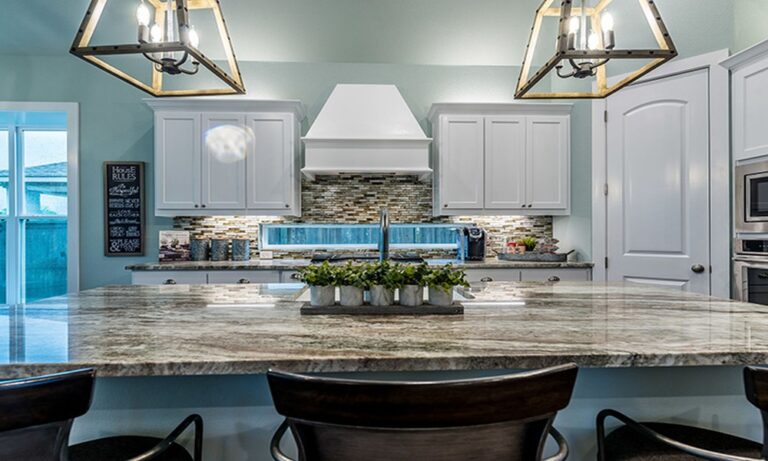
Which countertop holds up better to the rigors of daily cooking, sudden spills, and years of family gatherings? Homeowners in Montreal are often torn between the timeless elegance of granite and the sleek versatility of quartz. The choice is more than just about looks, durability, maintenance, and value all play a part.

Understanding Granite and Quartz Countertops

Granite’s story begins deep in the earth, where molten rock cools over eons to create unique, natural patterns. Each slab is one of a kind, featuring mineral flecks and veins that can never be replicated. Choosing granite means bringing a slice of geological history into your kitchen.

Quartz, by contrast, is engineered. Crushed natural quartz minerals are combined with resins and pigments, resulting in a non-porous surface. The outcome? Consistent coloring and patterning that can mimic stone or introduce bold, contemporary hues. While quartz is a product of science, it doesn’t sacrifice style or substance.

Natural beauty versus engineered consistency, this is the first big difference. Granite’s appeal lies in its organic, unpredictable patterns, while quartz stands out for its uniformity and customizability.

Durability and Maintenance: Which Lasts Longer?

Resilience is table stakes for any kitchen surface. Granite is celebrated for its hardness and resistance to scratches, but it is not immune to staining if liquids are left to sit. Regular sealing is needed to prevent moisture from seeping in. Quartz, on the other hand, requires no sealing because its resins block out spills and stains from the start. While both materials are tough, quartz wins points for its non-porous design, making it especially forgiving when accidents happen.

Heat is another battleground. Granite can handle hot pots straight from the stove, though using trivets is wise to avoid cracks. Quartz is less heat resistant, extreme temperatures can warp or discolor the resin, so caution is necessary.

When it comes to cleaning, both materials are low-maintenance. Granite needs gentle soap and water, with periodic resealing. Quartz only calls for mild cleaners and a soft cloth, making it a favorite for those who value ease.

Aesthetic Appeal: Style, Color, and Design Flexibility

Walk into a showroom and the sheer variety of granite is striking. From pale speckles to dramatic veining in deep blues or reds, each slab has a character all its own. This individuality can turn a countertop into the focal point of a kitchen.

Quartz, while engineered, has its own advantages. Manufacturers can create slabs in any color, with patterns ranging from understated to avant-garde. If a uniform look is what your design calls for, quartz can deliver it flawlessly.

Pairing countertops with cabinet styles is simple for both materials, but homeowners who crave a seamless, contemporary feel often gravitate toward quartz. Those seeking a classic or rustic touch tend to favor granite’s natural textures.

Installation and Cost Considerations

Both granite and quartz require professional measurement, fabrication, and installation. Expect skilled hands to cut, finish, and fit each slab with precision. The process is similar whether you opt for natural or engineered stone.

Costs vary by material and source, but here is a simple breakdown:

| Material | Avg. Installed Cost (per sq. ft.) | Maintenance | Lifespan | Lead Time (Montreal) |

|———-|————————————–|————-|———-|———————-|

| Granite | $60-$120 | Reseal yearly | 30+ years | 1-3 weeks |

| Quartz | $70-$130 | No resealing | 25-30 years| 1-2 weeks |

While initial prices are close, consider long-term value. Quartz’s lower maintenance may balance out its slightly higher upfront cost. In Montreal, providers like Casa Granite work with both materials and offer quick turnaround times, so waiting weeks for your dream countertop is no longer the norm.

Environmental Impact and Sustainability

Granite extraction involves quarrying, which can have an environmental impact due to transportation and mining. That said, granite is long-lasting and recyclable. Quartz, as an engineered stone, uses natural minerals mixed with resins. Many manufacturers now source recycled materials and pursue certifications for low emissions and sustainable practices.

Ultimately, both options score well for longevity. The longer a countertop lasts in your kitchen, the smaller its environmental footprint over time.

Customer Service and Local Expertise in Montreal

A flawless countertop install is not just about the stone, it’s about the team behind it. Montreal’s best fabricators treat each project like a custom work of art, using state-of-the-art tools and deep local knowledge. Providers such as Casa Granite are recognized for their skill, responsive service, and commitment to client satisfaction, offering everything from free design consultations to hands-on installation.

Making the Final Decision: Which Countertop Fits Your Needs?

What does your kitchen ask of its surfaces? Families who cook frequently and want minimal fuss may lean toward quartz. If you are drawn to authentic patterns and love the idea of a one-of-a-kind stone, granite may be your ideal match.

Budget, style, maintenance, and local expertise all deserve a seat at the table. Here’s a quick summary:

| Feature | Granite | Quartz |

|—————————|————————–|—————————|

| Appearance | Unique, natural | Consistent, customizable |

| Maintenance | Needs sealing | Low-maintenance |

| Heat Resistance | Excellent | Good, but use caution |

| Stain/Spill Resistance | Needs protection | Highly resistant |

| Price | $60-120/sq. ft. | $70-130/sq. ft. |

| Sustainability | Natural, recyclable | Often recycled content |

Additional Features and Customization Options

Today’s countertops are more than just work surfaces. Custom backsplashes, edge profiles, and integrated sinks can enhance both function and style. Many providers offer visualization tools to help you picture the finished product before the first slab is cut. Pairing your countertop selection with the right fixtures and finishes ensures a kitchen that looks stunning and stands up to life’s daily demands.

Choosing between granite and quartz is about more than trends, it’s about how you want your home to feel, and how much effort you are willing to invest in upkeep. Whichever side you choose, the right partner will make all the difference.

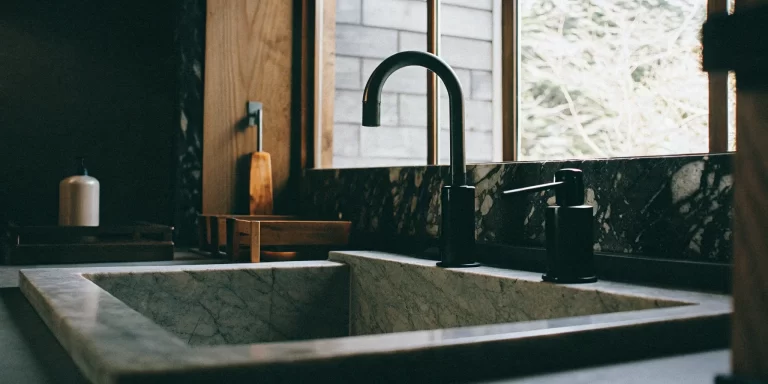
Matte black bathroom faucets command attention. Their bold finish instantly elevates a space, signaling modern taste and quiet confidence. Yet, the difference between a stunning upgrade and a design disappointment often comes down to a few overlooked details. The pitfalls are easy to miss but costly to fix, unless you know exactly what to look for.

What Makes Matte Black Bathroom Faucets a Popular Choice?

There is something magnetic about the matte black finish. It stands apart from the polished chromes and brushed nickels of yesterday, offering a dramatic yet understated touch. Not only does it resist fingerprints better than shinier options, but it also complements a wide variety of bathroom styles. People crave that bold, minimalist vibe, and matte black delivers.

How Does Matte Black Compare to Other Finishes?

Unlike chrome, which gleams with every ray of light, or brushed nickel, which leans toward warmth, matte black is unapologetically cool and smooth. It hides smudges and water spots remarkably well, reducing the need for constant polishing. For households wary of visible fingerprints, matte black is often a practical, as well as a stylish, choice.

| Finish           | Hides Fingerprints? | Shows Water Spots? | Durability | Style Versatility |

|——————|——————–|——————–|————|——————-|

| Matte Black      | Yes                | Rarely             | High       | High              |

| Polished Chrome  | No                 | Yes                | High       | Medium            |

| Brushed Nickel   | Yes                | Sometimes          | High       | High              |

| Oil-Rubbed Bronze| Yes                | Rarely             | Medium     | Niche             |

What Design Styles Complement Matte Black Faucets?

Matte black faucets do not just belong in ultra-modern bathrooms. They blend seamlessly with industrial themes, Scandinavian minimalism, or even vintage-inspired spaces that need an edgy twist. Picture classic white subway tiles paired with a jet-black faucet, or a reclaimed wood vanity topped with matte black hardware. The result is always striking, never boring.

What Are the Key Features to Look for in Matte Black Faucets?

Before falling for looks alone, it pays to examine what lies beneath the surface. Not all matte black faucets are created equal, and the right features ensure that style does not come at the expense of daily functionality.

How Important Is the Faucet Material and Build Quality?

The base material matters, a lot. Brass bodies resist corrosion and last for years, while cheaper alloys may save you money upfront but can corrode or leak over time. Always check whether the faucet’s internal components are as robust as its exterior. Ceramic disc cartridges, for example, far outlast traditional rubber washers and are less prone to annoying drips.

What Types of Matte Black Finishes Are Available?

Matte black is not just one shade or technique. Some finishes are powder-coated, creating a tough, uniform layer. Others use electroplating, which can be thinner but offers a silky touch. Each method affects both the feel and the longevity of the faucet. Powder coating tends to be more scratch-resistant but may chip if hit hard, while electroplated finishes are often smoother yet can wear faster under harsh cleaning.

How Does Faucet Functionality Affect Your Choice?

A beautiful faucet that splashes water everywhere or does not reach the sink properly quickly becomes an annoyance. Consider whether you want a single-handle or double-handle design, what kind of spray or aerator options are available, and if the handle mechanism feels comfortable in hand. Easy installation features, like flexible hoses and universal mounting plates, can be a lifesaver during setup.

What Common Mistakes Do People Make When Choosing Matte Black Faucets?

Even the most design-savvy shoppers sometimes stumble into the same traps. These errors are easy to avoid once you recognize them.

Why Is Ignoring Compatibility with Bathroom Fixtures a Problem?

A faucet may look stunning on its own, but if it clashes with existing hardware, like handles, towel racks, or showerheads, the result feels disjointed. Color variations between brands can mean two “matte black” pieces look noticeably different. Always compare samples or ensure all fixtures come from the same collection.

How Can Poor Quality Matte Finishes Impact Longevity?

Subpar finishes quickly betray their looks. Within months, you might notice chipping, fading, or a blotchy appearance where cleaners or hard water have taken their toll. If a manufacturer cannot specify the type of finish or the testing standards it meets, that is a red flag. Invest in brands known for durability, even if the price is a bit higher.

What Happens When You Overlook Faucet Size and Spout Reach?

An oversized faucet can dwarf a small sink, while a too-short spout may cause constant splashing or barely clear the basin. Always measure your sink’s dimensions and compare them to the faucet’s height and reach specs. Proportion matters as much as visual appeal.

Why Is Neglecting Water Efficiency Costly in the Long Run?

Water-saving features do not just help the environment, they can lower your monthly bills. Faucets with aerators or WaterSense certification minimize waste without sacrificing pressure, making them smart choices for any bathroom.

How Can You Avoid These Mistakes?

A bit of homework up front saves headaches, and potentially big expenses, down the line.

What Questions Should You Ask Before Buying?

– Does this faucet match (in color and finish) my existing or planned hardware?

– What is the base material, brass, stainless, or a cheaper alloy?

– Is the finish powder-coated, electroplated, or something else?

– What water efficiency certifications does it have?

– Will the spout reach and height fit my sink?

How to Verify the Finish Quality and Durability?

Reputable brands will specify their finishing process and may offer scratch tests in their showrooms. If buying online, seek evidence of third-party testing or certifications. Reviews and customer photos often reveal how a faucet ages over time.

What Are the Best Practices for Measuring Your Space?

Never guess. Use a tape measure to check sink width, depth, and the distance to the wall. Verify the number of mounting holes required. Drawing a quick layout, even on paper, helps visualize how the faucet will look and fit.

How to Ensure Compatibility with Your Plumbing System?

Most modern faucets fit standard plumbing, but older homes may have quirks. Check your pipe size and valve type before ordering. When in doubt, consult a plumber or reference supplier guides to avoid multiple trips to the hardware store.

Where Should You Buy Matte Black Bathroom Faucets?

Not all suppliers offer the same quality, and not all brands stand behind their products.

What to Look for in a Trusted Supplier or Brand?

A great supplier is transparent about materials, finishes, and warranty terms. They provide detailed product specs, installation guides, and answer questions promptly. User reviews and word of mouth are excellent credibility checks. It is not just about price, look for value, which includes long-term performance and support. For curated selections and expert guidance, resources like Vasca bathroom faucets often help shoppers compare high-quality options side by side.

How Do Warranty and Customer Support Influence Your Decision?

A robust warranty signals that a company believes in its product. Look for coverage on both the finish and internal parts. Accessible customer support, whether through chat, phone, or email, makes resolving any issues smoother and less stressful.

How to Maintain and Care for Matte Black Faucets to Keep Them Looking New?

Proper care preserves both the finish and function. Neglect, on the other hand, can dull even the most beautiful tap.

What Cleaning Methods Should Be Avoided?

Abrasive scrubbing pads, harsh chemicals, and acidic cleaners are the enemy of matte black surfaces. These can scratch, strip, or discolor the finish in no time.

Which Products Are Safe for Matte Black Finishes?

Stick to soft microfiber cloths and mild, soapy water. If you need to tackle stubborn spots, diluted vinegar (applied gently) is usually safe, but always rinse thoroughly to prevent residue.

How Often Should Faucets Be Maintained?

A weekly wipe-down is usually enough. Monthly checks for loose handles or subtle leaks can catch small problems before they grow. If you live in a hard water area, consider more frequent cleaning to prevent mineral buildup.

Matte black bathroom faucets are more than a trend, they are a statement. By steering clear of common mistakes and investing in quality, you ensure that your faucet not only turns heads today but keeps its perfect finish for years to come.


A cramped living room can make even the most stylish apartment feel like an afterthought. Yet, with the right choices, even the smallest spaces can breathe and function beautifully. One unsung hero in this transformation? The coffee table.

Understanding Space Challenges in Living Areas

Urban living, open-plan layouts, and shrinking apartment footprints mean that every square foot counts. Couches seem to grow larger, entertainment tech multiplies, and before you know it, a central gathering area starts to feel less like a hub and more like a storage closet.

Common Space Constraints in Modern Homes

Small apartments and condos often force residents to sacrifice surface space for walking paths. Studios demand multi-use zones, think sleeping, eating, and entertaining, all in one area. Even larger homes struggle when awkward layouts or too much furniture choke off natural movement.

How Furniture Choice Impacts Room Functionality

Choosing the wrong table can bottleneck your space. Oversized pieces dominate, while too-tiny options lack utility. The secret is in selecting furniture that adapts, stashes clutter, and keeps sightlines open. The right table can anchor a room rather than swallow it.

Coffee Tables as Solutions for Space Optimization

A coffee table is more than a decorative centerpiece. It becomes a command center for snacks, devices, books, and feet at the end of a long day. The best ones work double (or triple) duty, solving storage woes and adapting to changing needs.

Multi-Functional Designs: Storage and More

Tables with hidden compartments, drawers, or shelves quickly tame the chaos of remotes, magazines, toys, and chargers. Some designs even transform into dining tables or workspaces, stretching the definition of what a coffee table can do.

Size and Shape Considerations for Small vs. Large Rooms

The trick is balance. In a small room, a round or oval table prevents sharp corners from interrupting flow. Rectangular or square options maximize surface area in expansive spaces. Adjustable and modular pieces let you scale up or down as life demands.

Comparing Different Types of Coffee Tables

Every home has a different rhythm. The ideal table fits your habits and style, not the other way around.

Traditional vs. Modern Styles: Pros and Cons

| Style         | Pros                                 | Cons                                  |

|—————|————————————–|—————————————|

| Traditional   | Classic lines, timeless elegance     | Often heavier, less adaptable         |

| Modern        | Sleek, minimal, flexible             | Can feel cold or impersonal           |

Traditional coffee tables often incorporate rich wood tones and decorative details, creating warmth and familiarity. Modern choices, by contrast, lean into simplicity and practicality, sometimes with modularity or tech-friendly features.

Nested Tables: Flexibility and Space Efficiency

Nested tables tuck away when not in use, then expand to meet the moment, a friend popping by, game night, or weekend projects. Their biggest strength? Flexibility without visual clutter.

Lift-Top and Storage Coffee Tables: Hidden Utility

Lift-top tables swap out static surfaces for convertible tops, rising to become a desk or dining table on demand. Beneath, storage compartments corral everything from blankets to board games, keeping chaos out of sight but always close at hand.

Material and Design Choices Affecting Space Perception

The eye plays tricks, and design-savvy homeowners use this to their advantage.

Glass and Acrylic: Creating Visual Openness

Translucent materials like glass and acrylic make tables appear to float, preserving precious light and sightlines. In tight quarters, these options feel less intrusive, visually enlarging the room.

Wood and Metal: Balancing Warmth with Practicality

Wood brings texture and softness, anchoring a space with organic appeal. Metal legs or accents add durability and visual lightness, especially in contemporary or industrial settings. The right mix of materials can tie together varied décor styles without overwhelming.

Placement Strategies to Maximize Room Flow

No matter how perfect the table, poor placement can trip up even the best design.

Positioning Coffee Tables for Optimal Movement

Leave at least 18 inches between the sofa and table to allow easy passage. In larger rooms, balance the table’s position so it serves multiple seating areas, not just the main sofa.

Aligning Tables with Seating and Traffic Patterns

Think of your living area as a series of paths. Place the table within easy arm’s reach of seats, but out of major walkways. In open plans, anchor it between groupings to subtly define zones without blocking movement.

Case Studies: Before and After Space Transformations

Sometimes, the best proof is seeing change in action.

Small Apartment Makeover with Convertible Coffee Tables

A 400-square-foot studio once dominated by a bulky table swapped in a compact, lift-top design. The result? More space to move, hidden storage for art supplies, and a quick conversion from coffee spot to dinner table in seconds.

Open Plan Living Areas Enhanced by Modular Tables

A sprawling living-dining area struggled with definition. Modular, nested tables were introduced, letting homeowners reconfigure for parties or solo nights in. Suddenly, the room felt less cavernous and more purposeful, with every inch working harder.

Tips for Selecting the Right Coffee Table for Your Space

The search for the perfect table is not about trends, but about fit, for your room, your habits, your life.

Assessing Room Dimensions and Usage Needs

Measure twice, buy once. Consider the size of your seating area, the reach from each seat, and your storage needs. Do you work from your sofa? Host dinners? Need to corral kids’ clutter?

Matching Style with Functionality and Existing Décor

Your table should feel at home in your space. Match finishes and shapes to your current furniture, or use the table as a statement to break up monotony. Functionality should drive your choice, with form following closely behind.

For those looking for further inspiration or to explore a curated selection, resources like these coffee tables offer a wide range of options tailored to varied needs.

Maintenance and Longevity Considerations

A beautiful table should remain that way long after the purchase.

Easy-to-Clean Surfaces for High-Traffic Areas

Look for materials that handle spills and fingerprints with ease, sealed wood, tempered glass, or powder-coated metals. Removable trays or tops make cleaning even simpler.

Durable Designs That Retain Value Over Time

Invest in well-constructed pieces. Quality finishes and solid joinery resist daily wear and tear, ensuring your table remains a centerpiece, not a casualty, for years to come.

A thoughtful coffee table choice is more than an accessory. It is a tool for smarter living, a stage for daily rituals, and, quite often, the key to making any room feel like home, no matter its size.

1. INTRODUCTION

Moving to a new home may feel exciting, but the actual process is tiring, stressful, and time-consuming. Many people think handling everything on their own will save money, but a DIY move often brings unexpected problems. From heavy lifting to organizing transport, every step requires effort and planning. This is where professional movers make a big difference. They bring experience, the right tools, and trained teams to ensure your move is smooth and safe. Below are seven major benefits of hiring expert movers for your next relocation.

2. THEY SAVE YOU TIME AND ENERGY

Packing your entire home, loading a truck, driving long distances, and then unloading everything again can take days or even weeks. Professional movers work quickly because they follow a proper system and come with a full team. They know how to pack, lift, and arrange items efficiently. moving services London Ontario Instead of spending all your energy carrying boxes and furniture, you can focus on other important tasks like paperwork, utility setup, or helping your family settle in.

3. THEY REDUCE STRESS AND AVOID LAST-MINUTE PROBLEMS 

Moving is known to be one of life’s most stressful events. Planning everything on your own, dealing with truck rentals, and worrying about deadlines can easily overwhelm you. Movers remove this pressure by managing the entire process. Since they have handled thousands of moves, they know how to avoid common mistakes such as poor packing, incorrect truck loading, or misjudging space. Their experience helps your move stay organized and trouble-free.

4. THEY PREVENT INJURIES AND PROTECT YOUR HEALTH 

Lifting heavy items, such as beds, cupboards, and appliances, without proper technique can cause back injuries, muscle strain, or painful accidents. Professional movers are trained to handle heavy and awkward items safely. They use equipment like dollies, straps, and ramps, which reduces risk for both you and your belongings.

5. THEY OFFER PACKING AND SPECIAL HANDLING SERVICES 

Many moving companies provide extra services like packing, unpacking, and special handling for fragile or valuable items. Whether you have artwork, antique pieces, a grand piano, or delicate glass furniture, movers know how to pack and transport them safely. This saves time and prevents costly damage.

6. YOUR BELONGINGS ARE PROTECTED WITH INSURANCE 

One of the biggest advantages of hiring movers is insurance coverage. If any item gets damaged or lost, you are financially protected. Movers also use proper padding, wrapping, and loading techniques to minimize the chances of damage in the first place.

7. IT CAN HELP YOU MANAGE YOUR BUDGET BETTER 

While hiring movers costs money, it often saves more in the long run. DIY moving costs like truck rental, fuel, packing supplies, and potential damage can add up quickly. Movers offer clear pricing, and you can choose services based on your budget.

8. THEY MAKE THE WHOLE MOVING EXPERIENCE EASIER 

With trained professionals guiding you, moving becomes much more organized and predictable. For long-distance moves, tight schedules, or large households, hiring movers is usually the smartest and safest option.

The removalist team you decide to hire can make all the difference in your moving experience. A professional and trustworthy removalist team will reduce your stress and make your moving day smooth and easy.

But with so many moving services available, it can be difficult to identify which one can be relied upon.

This guide highlights what you need to consider for your move and what qualities you can identify that make your removalist team trustworthy.

Open and Truthful Communication

Communicative skills form one of the most crucial indicators of trustworthy removalists.

  • Explain Their Services Clearly
  • Offer transparent pricing
  • Quickly answer questions
  • Verify Arrival Times
  • Keep you informed throughout the process

Where there’s effective communication, you can be confident about what’s going to occur with your move.

Experience and Skills

Experience counts, particularly when dealing with heavyweight or fragile objects.

A good removalist group knows that:

  • Safety of lifting objects
  • Barrier Precautions
  • Accessing difficult points
  • How to pack and load a truck

Their skills ensure that damages are avoided and that all goes smoothly and efficiently.

Handling Your Belongings with Care

Reliable removalists will handle your belongings with respect.

They employ correct equipment and safe materials such as:

  • Moving blankets
  • Padding
  • Straps
  • Trolleys
  • Protective wraps

This level of care demonstrates that they consider their job seriously and care about your property reaching its destination safely.

Punctuality and Reliability

Moving day timing can be very significant.

A trustworthy removalist crew arrives when they claim they will, gets down to business, and keeps to schedule.

This serves to ensure you are organized and do not encounter any delays, particularly if you have deadlines and need to visit your new property at a certain time.

Clear Pricing with No Hidden Charges

A good moving company should be up-front and honest with pricing.

They include comprehensive quotes so you are not caught up with unexpected bills at the end.

Reliable removalists prefer fairness and truthfulness because they can maintain a long-term relationship with customers.

Customer Reviews

Customer feedback can reveal quite a bit about a removalist team.

Typical positive feedback will include:

  • Good Behaviour during Moving Day
  • Care of belongings
  • Specialized communication
  • Hardworking and determined
  • Friendly Service

Reviews can be used to learn what actual customers, as opposed to what the business may claim, are really experiencing.

Use of Proper Equipment and Well-Maintained Vehicles

Special equipment will ensure the protection of your belongings and make moving easier.

Reliable removalists will possess:

  • Clean and robust trucks
  • Quality blankets and straps
  • Reliable trolleys
  • Tools for dismantling furniture

Quality equipment indicates they respect safety and efficiency.

A Calm and Helpful Attitude

Moving can be quite stressful, so having a composed and cheerful staff can make all the difference.

Good removalists would be proactive and accommodating in unexpected incidents, and they would not make the process difficult.

Helpful actions make interaction smooth and pleasant for all parties involved.

A Focus on Customer Satisfaction

Trusted removalists value creating a positive experience from start to finish.

They listen intently to your needs, respect your time, and focus on making your relocation as smooth and stress-reduced as can be.

Many individuals depend on Posch& Silva when searching for top removalists on the Gold Coast.

Modernising a residential building is a complex and often multistep process. One of these steps is replacing the windows. Investors are increasingly choosing PVC windows because they are energy-efficient, durable, and easier to install. When you want to retrofit PVC windows, you can replace the old windows without having to alter the building’s facade or frame structure. This solution can be very effective, yet economical. How can you do it?

  • When retrofit is appropriate vs full frame replacement
  • Prep checklist: measurements, tools, and materials
  • Step-by-step installation overview
  • Common pitfalls and inspection checklist

When retrofit is appropriate vs full frame replacement

If you want to install PVC windows when replacing windows, remember that this simpler and more economical option isn’t always possible. If you want to retrofit PVC windows, remember that several conditions must be met. First, the frame must be stable, securely mounted, undamaged, and free from signs of corrosion, deformation, or deterioration. Then, you can install PVC windows.

A complete frame replacement is necessary when the frame is leaky and damaged (e.g., due to moisture). A comprehensive replacement is also necessary when the building requires a complete insulation upgrade, when window openings will have different dimensions, or when you plan aesthetic changes to the entire building facade. These are just some basic starting points in this window retrofit guide, which will help you understand the right decision to make when replacing windows.

Prep checklist: measurements, tools, and materials

If you want to replace windows without siding removal, you need to prepare properly. This will ensure the entire installation goes smoothly and efficiently.

First, you need to modify the opening to ensure the old jambs are straight, symmetrical, and ready for the new windows.

You should prepare:

  • a spirit level at least 60 cm long,
  • a tape measure and square,
  • a screwdriver,
  • mounting wedges,
  • low-pressure foam,
  • external silicone,
  • covering strips,
  • window sills.

Preparing all assembly components and tools is essential to complete the installation without unnecessary downtime and complications.

Step-by-step installation overview

What should you do to insert windows PVC?
1. First, remove the hinges and the old windows.
2. The next step is to remove the old seals, remnants of old, peeling paint, and protruding elements.
3. The third step is to try on the new frame, including checking its plumbness, levelness, and diagonals.
4. Next, stabilise the frame with mounting wedges.
5. Then, screw the PVC frame in place, being careful not to deform the profile.
6. Then, seal it with low-pressure foam.
7. Insulation tapes can be used.
8. The eighth step is to install the PVC windows, adjust the hardware, and adjust the smoothness of the opening.
9. If necessary, you can install cover strips and other finishing elements.

Common pitfalls and inspection checklist

The most common mistake is improper frame preparation – failing to clean the old frame or leaving it damaged and uneven. Another problem is the use of high-pressure foam, which can affect the window’s alignment and geometry, making subsequent installation difficult.

What should be checked before completing installation?

  • frame levelling and stability,
  • smooth opening and closing of the window,
  • insulation tightness.

If you’re looking to retrofit PVC windows, the above method will help maximise the efficiency of the process. Monitoring the work at every stage will ensure a safe and lasting modernisation of your building.


If your apartment often feels a bit louder than you’d like, whether it’s echoes bouncing off the walls or sounds travelling from next door, you’re not imagining it. Small spaces and modern finishes can easily make noise seem bigger than it is.

The good news? You don’t need to move or remodel to fix it. The secret to a calmer, softer-sounding home could be as simple as a single acoustical upgrade — the acoustical wall panel.

It’s the kind of change that looks subtle but completely transforms how your apartment feels.

Why Small Apartments Sound So Loud

City living often means compact spaces, open layouts, and plenty of hard surfaces. Tiled floors, bare walls, and sleek furniture might look beautiful, but they also reflect sound.

Every conversation, clinking cup, or TV soundwave bounces around the room, creating a constant hum of background noise. Over time, that can make your space feel more chaotic than cosy.

You might not notice it right away, but the effects are real: higher stress levels, reduced focus, and that uneasy feeling of not being able to truly relax, even when it’s quiet.

Soundproofing entire walls isn’t practical (or budget-friendly) for most people, which is why interior designers are turning to a smarter, more elegant fix.

The Magic of an Acoustical Wall Panel

So, what exactly is an acoustical wall panel?

It’s a sound panel made from materials like felt, foam, or fabric-covered composites that soak up excess sound instead of reflecting it. Think of it as a soft layer that catches the echoes your walls would normally throw back.

Once installed, it helps balance your space acoustically — reducing reverberation and creating a calmer, more pleasant atmosphere.

But here’s the part that surprises most people: this isn’t just a technical solution. An acoustical wall panel can also be an aesthetic one. Designers now treat these panels as both functional upgrades and stylish statement pieces.

A Quick Fix That Looks Beautiful

Forget what you think soundproofing looks like. Today’s acoustic panels come in gorgeous designs that rival high-end décor.

You can choose from:

  • Wood slat panels for a Scandinavian-inspired look.
  • Fabric panels that blend seamlessly into your walls.
  • Geometric or patterned designs that double as art.

They can sit behind your sofa, act as a bedroom headboard, or even become the focal wall in your living room. Some homeowners use them to divide open-plan areas — creating zones without building walls.

It’s an easy, non-invasive upgrade that instantly makes your space look more polished and sound more peaceful.

Why Designers Swear by This Upgrade

  1. Better Sound, Instantly
    Once the panel’s in place, you’ll notice the difference right away. Conversations sound clearer. Music feels warmer. The TV doesn’t echo off the walls anymore.
  2. Calm You Can Feel

The brain relaxes in spaces with better sound control. You’ll find it easier to unwind, concentrate, or even sleep better once your environment stops buzzing with background noise.

  1. Aesthetic Value

This isn’t just about function. Acoustic panels add texture and depth, something many modern apartments lack. They can transform a plain wall into something with presence and warmth.

  1. Small Effort, Big Impact

Unlike major renovations, this is one of those rare improvements that doesn’t require dust, drilling, or weeks of work. You can transform your space from chaotic to serene in a single afternoon.

Where to Use It in Your Apartment

If you’re wondering where a wall panel would make the most difference, here’s where designers usually start:

  • Living Room: The largest and often the noisiest space. Panels behind the sofa or TV area absorb reflections and improve overall comfort.
  • Bedroom: Perfect for behind the headboard or along the wall facing windows. It adds both peace and a touch of softness to your sleep space.
  • Home Office: A workspace with better sound control means improved focus and fewer distractions especially if you take calls regularly.
  • Dining Area: Softening sound here creates a more intimate, restaurant-like ambience.

You don’t need to cover the whole wall either, even partial coverage can make a noticeable difference.

The Sound of a Balanced Home

It’s easy to underestimate how much sound shapes our perception of comfort. A home that looks stunning but sounds harsh can feel oddly incomplete.

That’s why acoustic comfort is becoming a key part of modern interior design. People are realising that calm isn’t just about visual clutter — it’s about the way your environment sounds too.

Adding panels gives your space the acoustic balance it’s probably missing. It’s not silence you’re after, just that soft, satisfying hush that makes a place feel grounded.

Style Tips for Your Acoustic Wall

Want your panel to blend beautifully into your décor? Try these quick design tricks:

  • Match tones: Choose colours that complement your existing palette for a seamless, intentional look.
  • Play with texture: Mix smooth furniture with tactile panels for contrast and warmth.
  • Layer lighting: Panels look even better with ambient lighting — soft spotlights or warm LED strips create depth.
  • Think vertical: Tall panels can make low ceilings feel higher, adding elegance to compact rooms.

The key is to treat the panel like a feature, not a fix. When done right, it becomes a visual anchor that enhances your entire room.

Why This Upgrade Just Makes Sense

At a time when we’re all spending more hours at home — working, relaxing, recharging — comfort has never mattered more. And while we often focus on visuals, sound is the silent factor that can make or break how a space feels.

The beauty of an acoustical wall panel is that it’s practical, stylish, and achievable. You don’t need a full renovation, and you don’t need to compromise on design. It’s an elegant tweak that brings balance back to your apartment, one soft wall at a time.

Final Thoughts: The Power of Calm Design

Peaceful spaces don’t happen by accident. They’re designed intentionally, not just with colours and furniture, but with the way sound behaves.

So if your apartment feels loud, echoey, or just a bit “off,” take a look at your walls. With one well-placed acoustical wall panel, you can soften the sound, elevate your design, and rediscover what calm at home really feels like.