Tag

barrier

Browsing

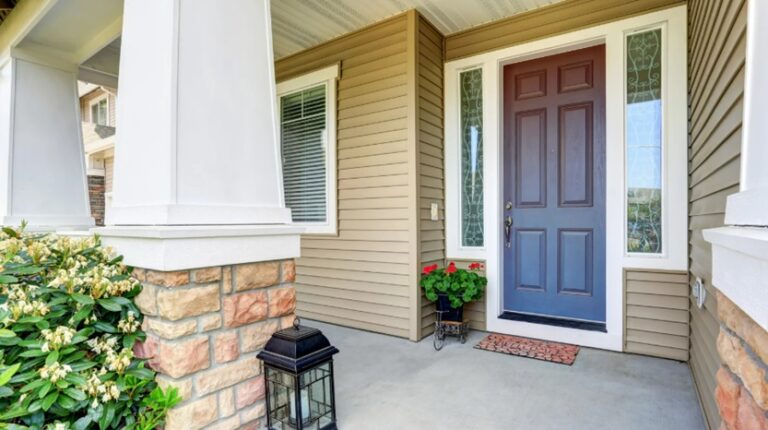
Your entry door is more than just a gateway into your home; it is also your first line of defense against potential threats. A secure entry door protects your family and belongings while adding value to your property. Whether you are upgrading your home or installing a new door, it is essential to choose one with robust security features. By working with professionals for entry doors in Springboro, you can ensure your home is both stylish and secure. Understanding the features that make an entry door truly secure can help you make informed decisions.

Why Entry Door Security Matters

Entry doors serve as a critical barrier between your home and the outside world. A secure door not only keeps intruders out but also provides peace of mind. However, not all doors are created equal. Without proper security features, even the most beautiful door can become a weak point, putting your home at risk. Choosing an entry door with enhanced security measures ensures that your property remains safe without compromising its aesthetic appeal.

Look for Reinforced Materials

The material of your entry door plays a significant role in its security. Solid wood, fiberglass, and steel doors are excellent options because of their strength and durability. Steel doors, in particular, are resistant to impacts and warping, making them ideal for homes that require an additional layer of protection. These materials create a sturdy structure that can withstand potential threats while maintaining longevity.

Strengthen Security with Multipoint Locks

Locks are the first and most obvious security feature on any door. While traditional single-point locks provide basic protection, multipoint locking systems offer superior security. These locks secure your door at multiple points, such as at the top, middle, and bottom. This system not only makes it difficult for intruders to tamper with the lock but also ensures that the door stays tightly sealed when locked, improving its resistance against forced entry.

Think Beyond Locks

While locks are important, they are not the only factor in ensuring a secure entry door. Extra safety features like strike plates, reinforced door frames, and door viewers can significantly enhance your overall security. A strike plate reinforces the area where the lock meets the frame, while a reinforced door frame can absorb more pressure without breaking. Door viewers, or peepholes, allow you to see who is outside without opening your door, adding another layer of convenience and safety.

Glass Panels and Their Role in Security

Glass elements can add a modern touch to your entry door, but they can also pose security risks if not designed carefully. Reinforced or laminated glass provides a balance of style and safety by being highly resistant to breaking. Some glass panels also include privacy features, such as textured or frosted glass, which obscure visibility from the outside. These enhancements ensure that you can maintain a modern home design without compromising security.

The Importance of Professional Installation

For an entry door to achieve optimal security, proper installation is essential. Professional installers ensure that every element, from the locks to the frame, is aligned correctly and functions as it should. Poorly installed doors may have gaps, misaligned hinges, or weakened structures, which can compromise security. Understanding details about what to consider when replacing your entry door can help you see the value of expert services when making upgrades or improvements to your entryway.

Technology-Driven Features

Modern entry doors incorporate advanced technology to enhance security. Smart locks, for example, allow you to control access to your home remotely, while sensors and cameras integrated into the door can alert you to activity outside your home. These high-tech solutions provide convenience while bolstering your home’s overall security system.

Stay Stylish with Modern Design Options

Security does not have to come at the expense of aesthetics. Many modern entry doors offer a combination of robust features and stylish designs. Sleek finishes, contemporary handles, and innovative materials are just some of the latest trends in entry doors. With these options, you can prioritize safety without sacrificing visual appeal, enhancing your home’s curb appeal in the process.

Entry Doors and Energy Efficiency

Your entry door also plays a key role in maintaining energy efficiency. A secure door often includes features like weather stripping and advanced sealing systems that prevent air leaks. This not only helps in keeping your interiors comfortable but also reduces energy costs over time. By choosing an expertly designed entry door, you can enjoy a secure and energy-efficient home.

Maintaining Your Entry Door for Long-Lasting Security

Regular maintenance is as important as selecting the right door in the first place. Checking for wear and tear along the frame, hinges, and locks can help you address minor issues before they become significant problems. Scheduling periodic inspections with professionals ensures that all security features remain in optimal condition, offering long-term protection for your home.

Conclusion

A secure entry door is an essential part of ensuring the safety and comfort of your home. From reinforced materials to advanced locking systems and professional installation, there are numerous ways to enhance the security of your entry door. Additionally, modern doors combine safety features with stylish designs, giving you the best of both worlds.

Working with experienced professionals ensures that every security feature performs as intended, offering peace of mind and long-term reliability. By investing in quality materials, expert installation, and regular maintenance, you can make your entry door a dependable barrier that protects your family and property.
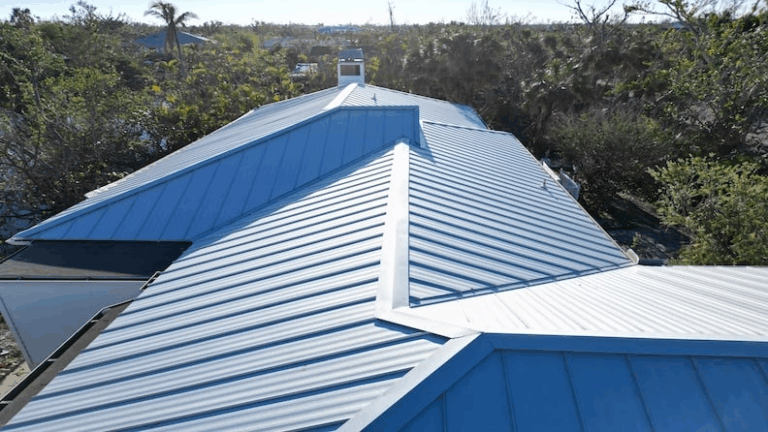
When it’s time for a commercial roofing installation, knowing what to expect can make the process more efficient, less stressful, and ultimately more successful. Whether you’re upgrading an aging roof or installing a new system on a brand-new building, a clear understanding of the phases involved can help you plan, budget, and prepare accordingly.

1. Initial Consultation and Roof Assessment

The process begins with a thorough roof inspection and consultation. A professional commercial roofing contractor will assess your current roof (if applicable), structural requirements, insulation needs, and drainage systems. They’ll also help you determine the best roofing material—options include TPO, EPDM, PVC, metal, or modified bitumen—based on your budget, building type, and local climate.

During this phase, you’ll receive a detailed proposal outlining the scope of work, timeline, and estimated cost. Be sure to ask questions and confirm details like warranty coverage and maintenance recommendations.

2. Permitting and Scheduling

Before any work begins, permits may be required depending on your local municipality. Your roofing contractor typically handles this process to ensure all regulations and safety codes are met. Once the paperwork is complete, the installation will be scheduled.

Expect some flexibility in start dates, especially if weather conditions or supply chain issues are involved. Your contractor should keep you informed throughout this phase.

3. Preparing the Job Site

Before installation, the site will be prepared to ensure safety and minimize disruption. This includes placing dumpsters, setting up perimeter fencing or barriers, and delivering materials. If your building is occupied during construction, your roofing company should develop a plan to protect tenants, employees, and visitors.

Noise, dust, and vibrations are inevitable during a commercial roofing project, but a reputable contractor will implement strategies to limit disruption to your operations.

4. Roof Removal and Surface Prep

If an existing roof needs to be removed, this is the first step once work begins. The crew will strip off the old materials and inspect the underlying structure. Any necessary repairs to the deck or insulation will be addressed at this stage to ensure a solid foundation for your new roof.

5. Roof Installation

Now comes the main event—installing the new roofing system. The time frame for this step varies depending on the size and complexity of the project, as well as the type of roofing material used. Skilled professionals will lay insulation, seal seams, and install flashings and other critical components to ensure the roof is watertight and energy-efficient.

6. Final Inspection and Clean-Up

Once installation is complete, the contractor will conduct a final inspection to ensure everything meets quality and safety standards. Debris will be cleared from the site, and you’ll receive documentation including warranties, maintenance instructions, and any necessary certifications.

Ready for a Reliable Commercial Roofing Installation?

At Old Time Roofing, we specialize in stress-free, high-quality commercial roofing services nationwide. Whether you’re replacing an old system or building from scratch, we’re here to guide you every step of the way.

Contact us today for a free consultation and discover why businesses trust us for expert commercial roofing installation.

This post was written by Ted Williams! Ted is the owner of A Old Time Roofing which is the premier Pinellas County Commercial Roofing company! Ted is a Master Elite Weather Stopper GAF Roofing Contractor, a double award winner of Best Steep-Slope Contractor from GAF and achiever of Master Elite Consumer Protection Excellence from GAF. He has been serving the Pinellas County area since 1978. Old Time Roofing has a tradition of quality workmanship, servicing residential and commercial properties.


Securing high-value residential properties like villas and private estates requires more than just walls, cameras, and conventional alarms. These properties often span large areas, include multiple entry points, and feature landscaped gardens, private driveways, and outbuildings. For homeowners seeking a discreet yet highly effective security solution, laser beam intrusion detectors are emerging as a top-tier option. Offering precision, reliability, and minimal visual impact, these systems are redefining perimeter protection for luxury residences.

How Laser Beam Intrusion Detectors Work

Laser beam intrusion detectors operate on a simple yet powerful principle: an invisible laser beam is transmitted between two devices—typically a transmitter and a receiver. When someone crosses or breaks the beam, the system instantly triggers an alert. Depending on the configuration, it can activate sirens, lights, surveillance cameras, or send real-time notifications to a control center or homeowner’s device.

These detectors can be configured for single-beam, dual-beam, or even multi-layered beam arrays to match the specific needs of the property. The technology is designed to ignore small animals or wind-blown debris, reducing false alarms while maintaining a high level of accuracy.

Ideal for Villas and Estates

Large residential properties present unique security challenges. Traditional solutions like physical barriers or patrols often fall short in providing uninterrupted coverage or instant detection. Laser detectors fill this gap by creating invisible tripwires around the estate.

For villas with manicured gardens, fountains, or scenic views, aesthetics matter. Unlike bulky fence sensors or cameras, laser detectors are sleek and compact. They can be mounted on pillars, garden lights, or walls without drawing attention, maintaining the visual integrity of the space while silently securing it.

Moreover, these systems are highly customizable. Property owners can establish virtual boundaries along walkways, entrances, pool areas, or near sensitive zones like garages or private guesthouses. The detectors operate effectively both during the day and at night, and most models are weather-resistant, ensuring performance in rain, fog, or intense sunlight.

Integration with Smart Home and Security Systems

A major advantage of laser beam detectors is their seamless compatibility with modern perimeter intrusion detection systems. They can integrate with surveillance cameras to focus on a breach point automatically, trigger alarms, lock smart gates, or even notify remote monitoring teams in real time.

Homeowners who already have a smart home setup can easily connect laser detectors with platforms like Alexa, Google Home, or dedicated security apps. This means any intrusion event becomes part of an automated response system—illuminating the area, sounding alarms, and recording footage in a matter of seconds.

For estates with security personnel, laser beams act as an early-warning system. Guards are notified of the exact breach location, allowing for faster, more efficient responses.

Installation Considerations

While laser systems are relatively easy to install, their effectiveness depends on proper planning. The devices must be aligned precisely to ensure an uninterrupted beam path. Obstructions like trees, vehicles, or garden decorations must be accounted for during layout design.

Professional installation is recommended for larger properties, especially those with varying elevation, multiple structures, or expansive grounds. Installers will assess sight lines, calculate beam distances, and configure response protocols for different types of intrusions.

Regular maintenance is minimal but essential. Cleaning the lens and checking alignment periodically will ensure the system continues operating at peak efficiency.

Advantages Over Traditional Security Measures

Laser detectors offer several benefits over conventional fencing or sensor-based systems:

Invisible Protection: No change to property appearance.

Pinpoint Accuracy: Immediate alerts with exact intrusion location.

Low False Alarm Rate: Advanced filtering to ignore harmless disturbances.

Flexible Coverage: Easily adjusted zones as property needs change.

When added to a broader security network, laser detectors serve as an intelligent, non-invasive enhancement that complements physical barriers, cameras, and motion sensors.

Protecting large homes like villas and estates requires advanced, layered solutions. Laser security beams deliver a precise, elegant, and effective method to secure expansive perimeters without compromising aesthetics or convenience. As part of an integrated security strategy, they provide luxury homeowners with peace of mind, proactive defense, and modern protection that keeps pace with today’s evolving threats.

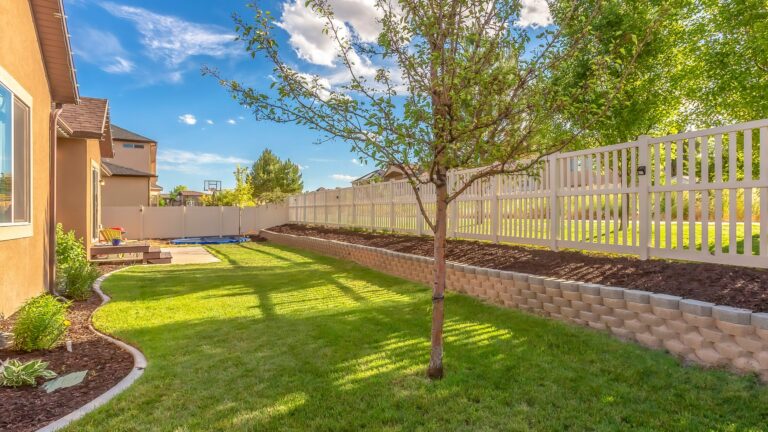
Adding backyard fences in landscapes is a worthy investment homeowners can make for their outdoor spaces. They can maintain privacy, improve security and safety, and boost a property’s curb appeal and market value. Depending on the kind installed, they can also confine pets in yards, reduce noise from outside, and offer protection from the elements.

Fences vary in style and materials, ranging from wood to metal and composite. If you’re considering surrounding your outdoor area with fences, let’s explore their variations, pros, and cons to help you make an informed decision.

Ensuring Seclusion and Comfort
Do you love spending time outdoors but don’t want neighbors and passersby to see you? Then, getting a privacy fence is your best option. This fence (provided it has the right height) will allow you to block out prying eyes and enjoy your secluded space, whether for family parties, poolside sunbathing, or reading a book.

Privacy fences come in different designs, including shadowboxes, board-on-board, and horizontal slats. They also vary in terms of materials, and the most popular types homeowners use include:

  • Wood: Whether cedar, oak, pine, or spruce, wooden fences bring a natural, rustic touch to backyards. They’re also durable, affordable, and relatively easy to maintain. If you want a more sustainable option, you can use bamboo fences. They’re eco-friendly, sturdy, flexible, and suitable for outdoor spaces with a Zen or tropical aesthetic.
  • Vinyl: Although visually similar to wood, vinyl fences are solid and resistant to moisture, rotting, warping, and insect damage. These low-maintenance options also give backyards a modern, polished look without painting or staining.
  • Composite: Combining wood fibers and materials like plastics makes for incredibly robust fencing. It mimics wood in appearance but is more resistant to decay and doesn’t require as much upkeep. Composite fences also take paint and stain finishes nicely and complement any backyard aesthetic.

Boosting Home Protection
To ensure safety and security, you need durable fencing that’s difficult to climb. It should be able to prevent trespassers from breaking in and keep children and pets from wandering away. Fences made of steel and other metals often fall under this category, such as:

  • Chain-Link Fences: Made from galvanized steel, these affordable and robust fences are ideal for large properties. They offer visibility and moderate security, help contain pets, and function as perimeter markers. Chain-link fences’ simple design also makes them easy and inexpensive to maintain. Incorporating slats into the chain links works to provide further coverage and privacy.
  • Wrought Iron Fences: If you want high-end, elegant-looking barriers for added security, consider using wrought iron fencing. It’s incredibly sturdy and effectively deters potential intruders. This type typically has decorative finials and points on top, which make it an excellent barrier and aesthetic hardscaping element. However, it’s essential to note that wrought iron fences are susceptible to rust in certain climates.
  • Aluminum Fences: Lightweight yet strong, aluminum fencing effectively enhances safety and security. It can withstand harsh weather and resist corrosion, minimizing the need for frequent upkeep. Moreover, this metallic fence shares the same modern accent as wrought iron fences.

Enhancing Curb Appeal
Sometimes, the desire to make your backyard or garden more exquisite is enough to get fences. You can choose from endless aesthetic fence types to complement your home’s landscaping without necessarily focusing on privacy or security.

  • Picket Fences: Nothing says “charming” and “quaint” quite like a picket fence. These classic options are perfect for rustic or cottage-style homes, where visual appeal matters more than privacy. Picket fences are also versatile, with traditional wood and vinyl versions available.
  • Lattice Fences: Aesthetic fencing can be quite functional, especially in gardens. For instance, lattice-style fences serve as attractive pillars for climbing plants like roses and vines to grow on. This fencing type can also be used as dividers outdoors while adding a layer of visual interest.
  • Masonry Fences: Brick, concrete, stone, and stucco fencing are another stunning choice for making your backyard look sophisticated. Aside from subtly complementing any landscape theme, these long-lasting barriers can act as permanent sound barriers and enhance privacy and security. However, masonry fences are pricey and require professional installation and constant upkeep to prevent shifting.

Upgrade Your Home With the Right Fencing
Backyard fences for landscapes are always worth investing in, whether for complete privacy, increased security, or simply having a gorgeous feature on your property. Consider your priorities, choice of fencing material, and budget to pick the best kind to elevate your yard. Ask your trusted landscape designer for valuable advice or help finding options that meet your requirements.


Your roof is your home’s first line of defence against the elements. It protects you from rain, snow, wind, and the sun’s harsh rays. However, these same elements that your roof shields you from can also take a toll on its durability over time. Understanding how weather and seasons impact your roof can help you maintain it properly and extend its lifespan.

The Impact of Sun and Heat

The sun’s ultraviolet (UV) rays are a constant threat to your roof’s integrity, especially during the summer months. In Vancouver, where weather conditions can vary dramatically, the combination of sun and occasional heatwaves can accelerate roof deterioration. Prolonged exposure to sunlight can cause various materials to deteriorate, making Vancouver roofing maintenance crucial for homeowners.

  • Asphalt Shingles

Asphalt shingles, one of the most common roofing materials, are particularly vulnerable to UV radiation. The sun’s heat causes the shingles to expand and contract, leading to cracks and brittleness over time. This process, known as thermal cycling, can significantly shorten the lifespan of your roof.

UV rays also break down the oils in asphalt shingles, causing them to dry out and become less flexible. As a result, the shingles may curl, warp, or even break, compromising their ability to protect your home from water infiltration.

  • Wood Shingles and Shakes

Wood roofing materials, while aesthetically pleasing, are also susceptible to sun damage. Prolonged exposure to UV rays can cause wood shingles and shakes to dry out, crack, and split. This not only affects their appearance but also reduces their effectiveness in protecting your home.

  • Metal Roofing

While metal roofs are generally more resistant to sun damage, they’re not entirely immune. Extreme heat can cause metal roofing to expand and contract, potentially leading to loose fasteners or separated seams over time.

To mitigate sun damage, some homeowners opt for cool roof technologies. These include reflective coatings or light-coloured roofing materials that reflect more sunlight and absorb less heat, helping to maintain a more stable roof temperature.

Rain and Moisture: A Constant Threat

Rain is a primary concern for roof durability, as water can find its way into the smallest cracks and crevices, causing significant damage over time.

Water Infiltration

When rainwater penetrates your roof’s outer layer, it can lead to a host of problems:

  1. Rotting of wooden structures in the roof framework
  2. Growth of mould and mildew, which can be harmful to your health
  3. Staining and damage to ceilings and walls
  4. Weakening of the overall structural integrity of your home

Gutter System Importance

Your roof’s gutter system plays a crucial role in managing rainwater. Properly functioning gutters direct water away from your roof and foundation, preventing water from pooling on the roof or seeping into your home’s structure.

Regular cleaning and maintenance of gutters are essential to prevent clogs that can lead to water backup and potential roof damage.

Moss and Algae Growth

In areas with high humidity or frequent rainfall, moss and algae can take hold on your roof. While they might seem harmless, these organisms can retain moisture against your roof’s surface, accelerating the deterioration of roofing materials.

Some roofing manufacturers now offer shingles with algae-resistant properties to combat this issue in humid climate.

The Weight of Snow and Ice

Winter weather presents unique challenges to roof durability, particularly in regions that experience heavy snowfall and freezing temperatures.

  • Snow Load

The weight of accumulated snow can put significant stress on your roof’s structure. Most roofs are designed to handle a certain amount of snow load, but excessive accumulation can lead to structural damage or even collapse in extreme cases. The risk is higher for flat or low-slope roofs, which don’t allow snow to slide off as easily as steeply pitched roofs.

  • Ice Dams

Ice dams are a common winter roofing problem. They form when heat from your attic melts snow on the roof, which then refreezes at the colder eaves. This creates a barrier that prevents proper drainage, allowing water to back up under the shingles and potentially into your home. Proper attic insulation and ventilation can help prevent ice dams by keeping your roof’s surface temperature consistent.

  • Freeze-Thaw Cycles

Regions that experience frequent freeze-thaw cycles face additional challenges. As water seeps into small cracks in roofing materials and then freezes, it expands, widening the cracks. This cycle, repeated throughout the winter, can cause significant damage over time.

Wind: An Underestimated Force

While often overlooked, wind can be a significant factor in roof damage, especially during storms or in areas prone to high winds.

Lifting and Tearing

Strong winds can lift shingles, particularly if they’re already loose or damaged. Once lifted, shingles are more likely to tear or be completely blown off, leaving your roof vulnerable to water infiltration.

Debris Impact

High winds often carry debris such as tree branches or other loose objects. These can cause impact damage to your roof, creating weak spots or punctures that compromise its integrity.

Long-Term Effects

Even if winds aren’t strong enough to cause immediate, visible damage, constant exposure to moderate winds can gradually loosen fasteners and wear down roofing materials over time.

Climate-Specific Considerations

The specific climate of your region plays a significant role in how weather affects your roof’s durability.

  • Coastal Areas

Homes near the coast face unique challenges:

  1. Salt spray can accelerate corrosion of metal components
  2. Strong coastal winds can be more damaging than inland winds
  3. Higher humidity levels can promote algae and moss growth

In these areas, choosing corrosion-resistant materials and regular cleaning are essential for roof longevity.

  • Arid Regions

In dry, hot climates:

  1. UV damage is a primary concern
  2. Dust storms can erode roofing materials over time
  3. Sudden, intense rainstorms can overwhelm poorly maintained drainage systems

Cool roof technologies and regular inspections for sun damage are particularly important in these regions.

  • Tropical and Subtropical Climates

These areas often experience:

  1. Heavy rainfall and high humidity
  2. Risk of tropical storms or hurricanes
  3. Accelerated growth of moss and algae

Roofs in these climates benefit from impact-resistant materials, proper drainage systems, and regular treatments to prevent organic growth.

Innovative Roofing Technologies

As our understanding of how weather affects roofs grows, so do the technologies designed to combat these effects:

  1. Impact-resistant shingles that can withstand hail and flying debris
  2. Solar reflective granules that reduce heat absorption
  3. Self-adhering underlayments that provide an extra barrier against water infiltration
  4. Smart sensors that can detect moisture or unusual loads on your roof

These innovations, when combined with regular maintenance, can significantly enhance your roof’s ability to withstand various weather conditions.

The Role of Professional Inspections

While regular DIY checks are important, professional roof inspections play a crucial role in maintaining your roof’s durability. Roofing experts can:

  1. Identify potential issues before they become major problems
  2. Provide specialized treatments or repairs
  3. Offer advice on upgrades or replacements to improve weather resistance
  4. Ensure that any work done complies with local building codes

Most roofing professionals recommend annual inspections, with additional checks after severe weather events.

Summary

Your roof is a complex system that faces constant challenges from weather and changing seasons. From the scorching sun of summer to the heavy snows of winter, each season brings its own set of potential issues. By understanding how these elements affect your roof, you can take proactive steps to protect it. Regular maintenance, timely repairs, and choosing the right materials for your climate are key to extending your roof’s lifespan. Remember, a well-maintained roof not only protects your home but also contributes to its energy efficiency and overall value.

When most people think of wheel loaders, they typically envision these powerful machines at work on large construction sites, moving mountains of dirt, gravel, or debris. However, what many homeowners may not realize is that a wheel loader rental can be an incredibly useful tool for a variety of home renovation projects. Whether you’re tackling major landscaping, building new structures, or simply need to move heavy materials around your property, a wheel loader can make your work faster, safer, and more efficient. In this blog, we’ll explore some unexpected ways to use a wheel loader rental for your next home renovation, helping you make the most of this versatile piece of equipment.

Efficiently Moving Heavy Materials

One of the most common uses for a wheel loader is moving heavy materials, and this can be especially beneficial during home renovations. If you’re undertaking a project that requires the transportation of large quantities of materials, a wheel loader rental can save you time and physical labor.

Moving Landscaping Materials

For landscaping projects, such as creating a new garden, installing a lawn, or building retaining walls, a wheel loader can quickly move materials like soil, mulch, gravel, and rocks.

  • Soil and Mulch: If you’re laying new topsoil or mulch over a large area, a wheel loader can help you transport these materials efficiently. The large bucket of the wheel loader allows you to move significant amounts of material in a single trip, reducing the time and effort required.
  • Gravel and Stone: Whether you’re creating a driveway, pathway, or decorative rock garden, a wheel loader can easily transport heavy gravel or stones to the exact location where they are needed.

Transporting Building Materials

Home renovation projects often involve heavy building materials, such as bricks, cement blocks, or lumber. A wheel loader can make the process of moving these materials around your property much more manageable.

  • Bricks and Blocks: If you’re building a retaining wall, patio, or other structures, a wheel loader can transport bricks and blocks from your supply area to the construction site with ease. This not only speeds up the process but also reduces the physical strain on your body.
  • Lumber and Timbers: For projects like constructing decks, sheds, or fences, a wheel loader can move large timbers or multiple pieces of lumber in one go, helping you stay organized and efficient.

Site Preparation and Grading

Proper site preparation is crucial for any successful home renovation project. Whether you’re building an addition, installing a new driveway, or re-landscaping your yard, a wheel loader rental can help you prepare the site quickly and accurately.

Clearing and Leveling Ground

Before you can start building or landscaping, you’ll need to clear and level the ground. A wheel loader is ideal for this task, as it can easily remove debris, vegetation, and rocks, leaving you with a clean, level surface to work on.

  • Clearing Debris: If your renovation project involves an overgrown or cluttered area, a wheel loader can help you quickly clear out unwanted materials. The powerful bucket can scoop up and remove large piles of debris, making your job easier and faster.
  • Leveling Ground: Once the area is cleared, the wheel loader can be used to level the ground, ensuring a stable foundation for whatever you plan to build. The machine’s precision allows you to achieve a smooth, even surface that will prevent future issues with drainage or structural stability.

Excavation for Foundations and Trenches

If your renovation project requires digging foundations or trenches, a wheel loader can be a valuable tool. While typically associated with moving materials, wheel loaders are also capable of performing light excavation tasks.

  • Foundation Digging: For small building projects, such as a shed, garage, or extension, a wheel loader can help excavate the foundation. The machine’s bucket can dig and remove soil, allowing you to quickly prepare the site for pouring concrete or laying a foundation.
  • Trenching for Utilities: If you’re installing new utilities, such as water lines, drainage systems, or electrical cables, a wheel loader can assist with trenching. While not as specialized as a backhoe, the wheel loader’s bucket can still dig shallow trenches effectively.

Demolition and Removal

Home renovations often involve demolition, whether you’re removing an old deck, tearing down a shed, or clearing out old landscaping features. A wheel loader rental can make demolition work more manageable and less physically demanding.

Tearing Down Structures

Small structures, such as sheds, gazebos, or fences, can be demolished quickly and efficiently with the help of a wheel loader. The machine’s powerful bucket can break down wood, metal, and other materials, allowing you to clear the area faster than manual demolition methods.

  • Removing Old Sheds: If you’re replacing or removing an old shed, a wheel loader can tear down the structure and load the debris into a truck or dumpster for disposal. This saves you time and reduces the effort required to manually dismantle and haul away the materials.
  • Clearing Fences and Walls: For projects that involve removing old fences, retaining walls, or other barriers, a wheel loader can make quick work of the task. The machine can push over and lift out posts, bricks, or stones, streamlining the demolition process.

Debris Removal

After demolition, you’re often left with a large amount of debris that needs to be cleared away before you can move forward with your renovation. A wheel loader is an excellent tool for collecting and removing this debris, whether it’s wood, metal, concrete, or landscaping waste.

  • Loading Dumpsters or Trucks: The large bucket of a wheel loader allows you to quickly load demolition debris into dumpsters or trucks for removal. This is particularly useful if you’re working on a large-scale renovation with significant amounts of waste material.
  • Transporting Debris on Site: If you need to move debris to another location on your property, a wheel loader can handle the heavy lifting. The machine can transport large loads of waste material, reducing the number of trips needed and minimizing the physical labor involved.

Creative Landscaping Projects

In addition to the more traditional uses, a wheel loader rental can also be utilized for creative landscaping projects that enhance the beauty and functionality of your outdoor space. Whether you’re building decorative features or reshaping your landscape, a wheel loader can help bring your vision to life.

Building Raised Garden Beds

Raised garden beds are a popular feature in many home gardens, offering better soil control and easier access for planting and maintenance. A wheel loader can assist with the construction of raised beds by moving soil, compost, and other materials into place.

  • Transporting Soil: The wheel loader can quickly and efficiently move large quantities of soil to the location of your raised beds, saving you the time and effort of manually transporting it with a wheelbarrow.
  • Shaping and Filling Beds: Once the soil is in place, the wheel loader can help shape and fill the raised beds, ensuring an even and well-packed base for your plants.

Constructing Water Features

Water features, such as ponds, streams, and fountains, can add a sense of tranquility and beauty to your yard. A wheel loader can be instrumental in digging out areas for water features and moving large stones or other materials into place.

  • Excavating Ponds: If you’re building a pond or water garden, a wheel loader can dig out the area to the desired depth and shape. The machine can also help with removing excess soil and preparing the site for lining and planting.
  • Placing Boulders and Stones: Large stones and boulders are often used in water features to create natural-looking borders and waterfalls. A wheel loader can lift and place these heavy materials with precision, allowing you to create a stunning focal point in your landscape.

Conclusion

A wheel loader rental offers homeowners a versatile and powerful tool that can significantly enhance the efficiency and success of home renovation projects. From moving heavy materials and preparing sites to demolition and creative landscaping, the potential uses for a wheel loader are vast and varied. By thinking outside the box and considering the many ways this equipment can be used, you can make your renovation process smoother, faster, and more effective.

Whether you’re tackling a major landscaping overhaul, building new structures, or simply need to move materials around your property, renting a wheel loader provides you with the flexibility and capability to handle a wide range of tasks. So, the next time you’re planning a home renovation, consider how a wheel loader rental could help you achieve your goals with ease and efficiency.


Roof plumbing is an essential aspect of home maintenance in Melbourne, playing a crucial role in managing rainwater and protecting your home from potential water damage. From gutters to downpipes, flashings, and roof penetrations, a well-maintained roof plumbing system ensures effective water drainage and prevents structural issues caused by moisture infiltration. This article explores the importance of roof plumbing, its components, maintenance practices, and why professional roof plumbing in Melbourne are invaluable for homeowners.

Understanding Roof Plumbing

Roof plumbing encompasses various components and systems designed to manage rainwater effectively and maintain the structural integrity of your home. Key elements of roof plumbing include gutters, downpipes, roof flashings, and seals around roof penetrations like chimneys and vents. Proper installation, regular maintenance, and timely repairs of these components are essential for protecting your home against water ingress and associated damage.

1. Importance of Roof Plumbing

  • Water Management: The primary function of roof plumbing is to collect rainwater from the roof surface and direct it away from the building. This prevents water from pooling on the roof or around the foundation, which can lead to leaks, dampness, and potential structural damage over time.
  • Preventing Water Damage: Well-maintained gutters and downpipes ensure that rainwater is effectively channelled away from the roof and foundation, reducing the risk of water seeping into walls, ceilings, and basement areas.
  • Preserving Structural Integrity: Roof flashings and seals play a critical role in preventing water ingress around roof penetrations. Properly installed flashings create a watertight barrier, protecting vulnerable areas of the roof from moisture damage and maintaining the structural integrity of the building.

2. Components of Roof Plumbing

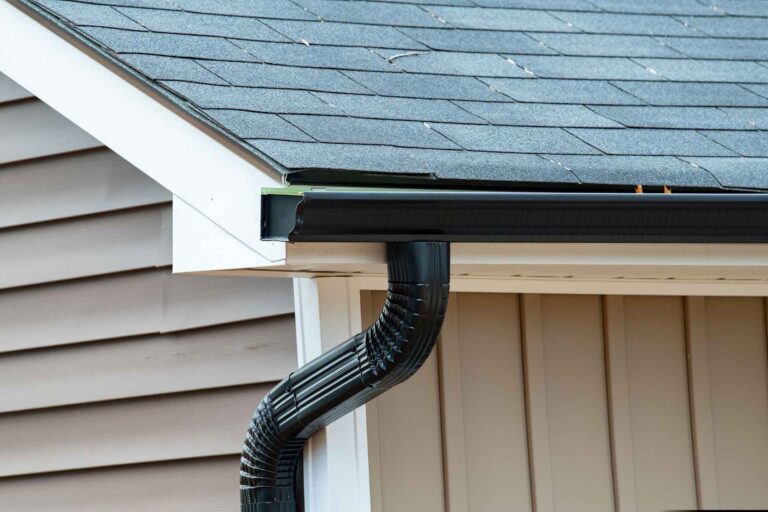
  • Gutters: Installed along the edge of the roof, gutters collect rainwater and direct it towards downpipes for drainage. Regular cleaning and maintenance of gutters prevent blockages and ensure uninterrupted water flow.
  • Downpipes: Downpipes carry rainwater from gutters to ground level or into stormwater drainage systems. Properly positioned and maintained downpipes prevent water accumulation and potential overflow during heavy rainfall.
  • Roof Flashings: Flashings are metal strips or sheets installed around roof penetrations (such as chimneys, skylights, and vents) to create a waterproof seal. Flashings prevent water from entering gaps or joints in the roofing materials, protecting interior spaces from leaks.

3. Maintenance Practices

  • Regular Inspection: Conduct periodic inspections of gutters, downpipes, and roof flashings to identify signs of wear, corrosion, or damage. Addressing issues promptly prevents water leaks and extends the lifespan of roof plumbing components.
  • Gutter Cleaning: Clean gutters and remove debris, leaves, and sediment to prevent blockages and ensure efficient water drainage. Perform gutter cleaning at least twice a year, especially before the onset of heavy rainfall seasons.
  • Repairing Leaks: If you notice water stains on ceilings or walls, it may indicate a roof plumbing leak. Contact professional roof plumbing services in Melbourne to locate and repair leaks promptly, preventing further water damage.
  • Sealing Roof Penetrations: Ensure that roof penetrations are properly sealed with durable flashings and waterproof materials to prevent water ingress around chimneys, vents, and other protrusions.

4. Benefits of Professional Roof Plumbing Services

  • Expertise and Experience: Qualified roof plumbers in Melbourne possess the knowledge and skills to assess, repair, and maintain roof plumbing systems effectively. They can identify potential issues early and provide solutions that ensure long-term performance and reliability.
  • Safety: Roof plumbing work often involves working at heights and handling heavy materials. Professional roof plumbers adhere to safety protocols and use specialised equipment to minimise risks and ensure a safe working environment.
  • Compliance and Quality Assurance: Hiring licensed roof plumbing services guarantees compliance with local building codes and regulations. Professional roof plumbers use high-quality materials and provide warranties on workmanship, ensuring peace of mind for homeowners.

5. Sustainable Practices

  • Rainwater Harvesting: Consider installing rainwater tanks connected to your roof plumbing system to collect and reuse rainwater for garden irrigation or household purposes, promoting sustainability and reducing water consumption.
  • Gutter Guards: Install gutter guards to prevent debris from accumulating in gutters, reducing the frequency of gutter cleaning and maintenance while ensuring uninterrupted water flow during rainfall.

Conclusion

Roof plumbing plays a vital role in maintaining the structural integrity of homes in Melbourne by managing rainwater effectively and preventing water damage. Regular maintenance, timely repairs, and professional roof plumbing services are essential for ensuring the longevity and reliability of roof plumbing systems. By prioritising the care and upkeep of gutters, downpipes, flashings, and roof penetrations, homeowners can protect their investment and enjoy a dry, comfortable living environment throughout the changing seasons in Victoria. Whether it’s cleaning gutters, inspecting for leaks, or installing new roof plumbing components, proactive maintenance and expert assistance from qualified roof plumbers contribute to the overall health and resilience of your home’s roofing and drainage systems.


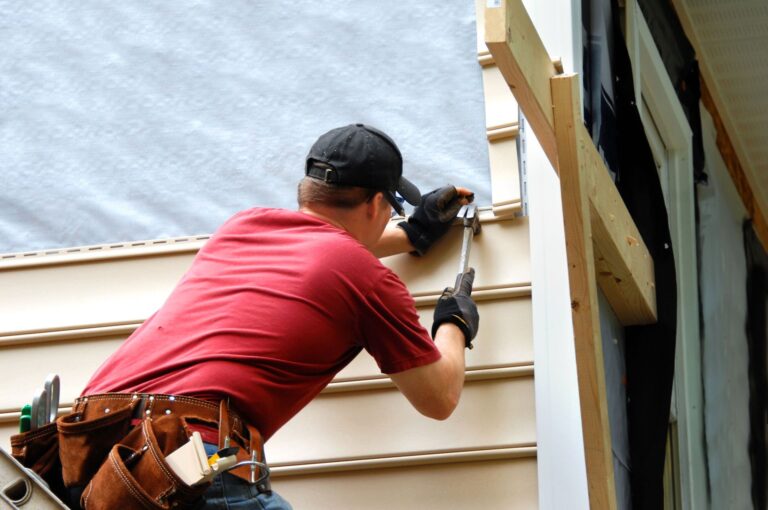
Professional contractors install or replace siding on residential or commercial structures. Siding protects against severe weather, improves aesthetics, and boosts energy efficiency. Siding installation services in Waterloo are essential for house durability and appearance, whether you’re constructing or remodeling.

Siding types

Each siding material has its perks and characteristics:

Vinyl siding is renowned for its affordability, durability, and little maintenance. Its many colors and designs provide homeowners with many alternatives.

The wood siding looks natural and traditional. Cedar, pine, and redwood are popular. Wood siding takes more care than vinyl, but many homeowners like its look and are prepared to maintain it.

Fiber cement siding, made from cement, sand, and cellulose fibers, is durable, fire-resistant, insect-resistant, and rot-resistant. It resembles wood, stucco, or brick.

Aluminum and steel are common metal siding materials. Durable metal siding resists decay, insects, and fire. It gives buildings a contemporary, industrial aspect and comes in several finishes.

Traditional stucco siding is built from cement, sand, lime, and water. A moist paste dries to a firm, durable finish. The natural texture and color of the stucco siding make it appealing.

Professional Installation Matters:

Siding installation services Waterloo contractors are skilled in installing numerous siding materials and methods. They can adequately build siding to avoid warping, buckling, and moisture infiltration.

The building’s exterior must be prepared for installation, including repairing damage, installing weather-resistant barriers, and adding insulation. Professionals know how to prepare surfaces.

Siding Installers Near Me are familiar with local construction codes. They guarantee the installation meets these requirements to avoid legal difficulties and assure safety and quality.

Professional installers finish projects quickly. Homeowners don’t have to buy the tools and equipment for a single job since they have the tools and equipment.

Conclusion

Siding installation services ensure a building’s durability, beauty, and energy efficiency. Hiring specialists ensures proper installation, compliance with rules, and property value.

Adding an orangery for that property provides you with a variety of benefits. It could finish off is the favourite social hotspot to meet your requirements along with your family and buddies. Orangeries in Surrey adds value for that property and add room furthermore to elevated charm from the entrance. But the most effective concerns that people have just before an orangery is all about energy-efficiency. You may have an electric-efficient home without dealing with sacrifice round the beautiful orangery.

ISO - Why investing in energy-efficient buildings pays off

Could be a conservatory unique of an orangery?

There are lots of variations between conservatories and orangeries in Surrey , nonetheless the line is getting quite blurred. A Conservatories typically use more glass while orangeries incorporate some brickwork, alternative roofs, and lantern designs on their own account. As orangeries have an overabundance of solid material, it naturally provides more energy-efficiency. In line with the means by which your orangery or conservatory is produced, a great deal can be done for energy-efficiency. Right here are a handful of factors you could look at prior to you making among the before mentioned structures:

Be aware of climate that you simply reside in. There’s nobody-size-fits-all template using this. It will help in case you analyse the place your house is in. Consider what dominates the elements in your region. Are you able to have a problem with extended, cooler a few days or always will the sun’s sun rays lower together with you? When you are to understand which weather you’ll be dealing with, it will be simpler that you need to predict the issues you’ll face. This helps to get the answer in advance.

The direction the orangery will most likely be facing is important. Whether it meets the sun’s sun sun rays directly, you will need additional ventilation. Be it however, getting a shadow, you will need additional heating. Keep these 4 elements inside your ideas when you’re finalising the direction.

Green building design for energy gains | Energy 3.0 : the webmagazine about energy  efficiency.

The glass that’s used is important. Get tremendously increase glazed glass just for your orangery in West Sussex. Inform your builders to make use of energy-efficient glass with low U-values. Coated or laminated glass is an additional terrific way a heat in your house.

Stay away from polycarbonate roofs. They’re poor insulators and major culprits of warmth loss in your house. You can stick to traditional glass roofs or change to insulated tiled roofs for your finest results.

Unlike everyday opinion, conservatories in Surrey will help you with energy-efficiency. It truly does work just as one insulated barrier concerning the home along with the world outdoors. If you choose to install sealed sliding doorways and stop the written text relating to the primary house and out, it’ll minimise heat dissipation along with your house warm.

The ground is an additional crucial part of orangeries in Surrey. Ensure to get a high-quality underlay for the flooring. You may also add another layer of underneath the floor through getting an electric or fluid warming a feet toasty with the chilly winter a few days.

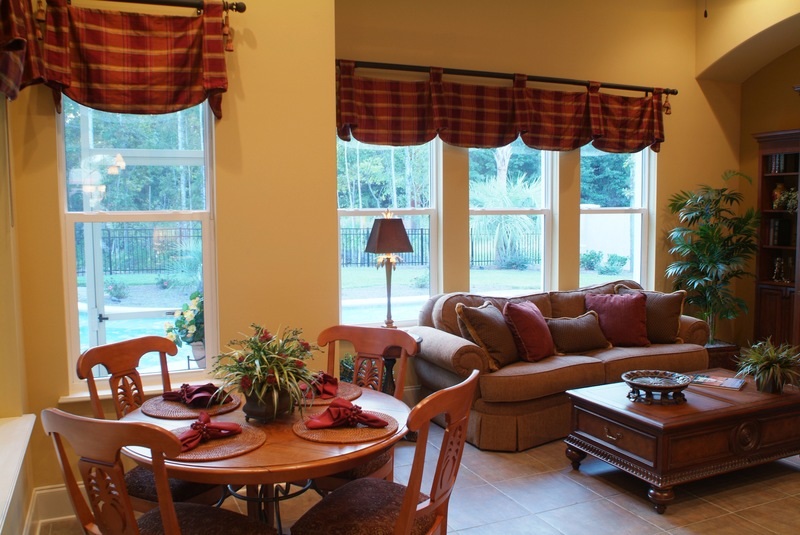
Adding blinds, heavy curtains, or maybe a hot rug helps make the ultimate touch. These small details will assure you to definitely certainly certainly the keep maximum heat space with the chilly winter a few days. Blinds also may help you block the sun’s sun rays sun sun rays under the sun if you think it’s too harsh.