
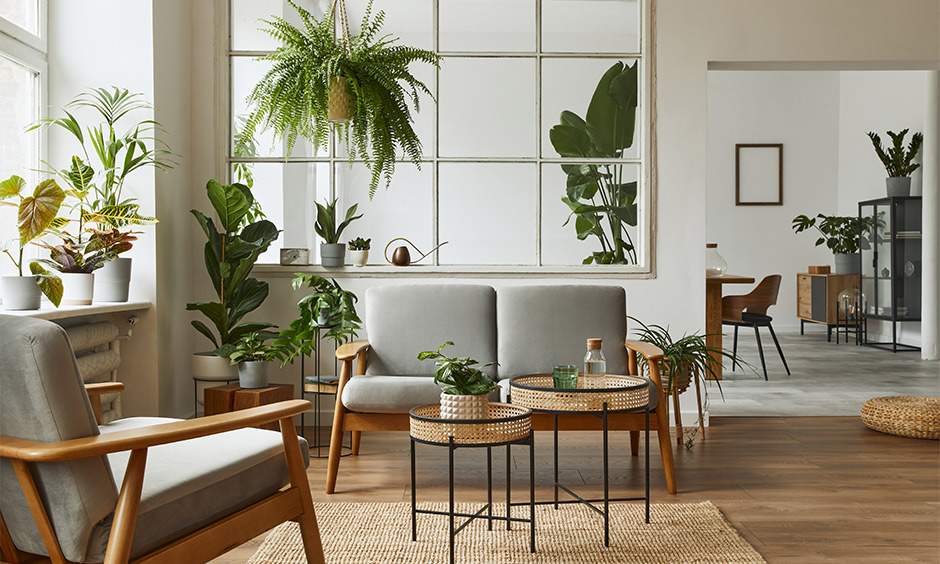
A cramped living room can make even the most stylish apartment feel like an afterthought. Yet, with the right choices, even the smallest spaces can breathe and function beautifully. One unsung hero in this transformation? The coffee table.
Understanding Space Challenges in Living Areas
Urban living, open-plan layouts, and shrinking apartment footprints mean that every square foot counts. Couches seem to grow larger, entertainment tech multiplies, and before you know it, a central gathering area starts to feel less like a hub and more like a storage closet.
Common Space Constraints in Modern Homes
Small apartments and condos often force residents to sacrifice surface space for walking paths. Studios demand multi-use zones, think sleeping, eating, and entertaining, all in one area. Even larger homes struggle when awkward layouts or too much furniture choke off natural movement.
How Furniture Choice Impacts Room Functionality
Choosing the wrong table can bottleneck your space. Oversized pieces dominate, while too-tiny options lack utility. The secret is in selecting furniture that adapts, stashes clutter, and keeps sightlines open. The right table can anchor a room rather than swallow it.
Coffee Tables as Solutions for Space Optimization
A coffee table is more than a decorative centerpiece. It becomes a command center for snacks, devices, books, and feet at the end of a long day. The best ones work double (or triple) duty, solving storage woes and adapting to changing needs.
Multi-Functional Designs: Storage and More
Tables with hidden compartments, drawers, or shelves quickly tame the chaos of remotes, magazines, toys, and chargers. Some designs even transform into dining tables or workspaces, stretching the definition of what a coffee table can do.
Size and Shape Considerations for Small vs. Large Rooms
The trick is balance. In a small room, a round or oval table prevents sharp corners from interrupting flow. Rectangular or square options maximize surface area in expansive spaces. Adjustable and modular pieces let you scale up or down as life demands.
Comparing Different Types of Coffee Tables
Every home has a different rhythm. The ideal table fits your habits and style, not the other way around.
Traditional vs. Modern Styles: Pros and Cons
| Style | Pros | Cons |
|—————|————————————–|—————————————|
| Traditional | Classic lines, timeless elegance | Often heavier, less adaptable |
| Modern | Sleek, minimal, flexible | Can feel cold or impersonal |
Traditional coffee tables often incorporate rich wood tones and decorative details, creating warmth and familiarity. Modern choices, by contrast, lean into simplicity and practicality, sometimes with modularity or tech-friendly features.
Nested Tables: Flexibility and Space Efficiency
Nested tables tuck away when not in use, then expand to meet the moment, a friend popping by, game night, or weekend projects. Their biggest strength? Flexibility without visual clutter.
Lift-Top and Storage Coffee Tables: Hidden Utility
Lift-top tables swap out static surfaces for convertible tops, rising to become a desk or dining table on demand. Beneath, storage compartments corral everything from blankets to board games, keeping chaos out of sight but always close at hand.
Material and Design Choices Affecting Space Perception
The eye plays tricks, and design-savvy homeowners use this to their advantage.
Glass and Acrylic: Creating Visual Openness
Translucent materials like glass and acrylic make tables appear to float, preserving precious light and sightlines. In tight quarters, these options feel less intrusive, visually enlarging the room.
Wood and Metal: Balancing Warmth with Practicality
Wood brings texture and softness, anchoring a space with organic appeal. Metal legs or accents add durability and visual lightness, especially in contemporary or industrial settings. The right mix of materials can tie together varied décor styles without overwhelming.
Placement Strategies to Maximize Room Flow
No matter how perfect the table, poor placement can trip up even the best design.
Positioning Coffee Tables for Optimal Movement
Leave at least 18 inches between the sofa and table to allow easy passage. In larger rooms, balance the table’s position so it serves multiple seating areas, not just the main sofa.
Aligning Tables with Seating and Traffic Patterns
Think of your living area as a series of paths. Place the table within easy arm’s reach of seats, but out of major walkways. In open plans, anchor it between groupings to subtly define zones without blocking movement.
Case Studies: Before and After Space Transformations
Sometimes, the best proof is seeing change in action.
Small Apartment Makeover with Convertible Coffee Tables
A 400-square-foot studio once dominated by a bulky table swapped in a compact, lift-top design. The result? More space to move, hidden storage for art supplies, and a quick conversion from coffee spot to dinner table in seconds.
Open Plan Living Areas Enhanced by Modular Tables
A sprawling living-dining area struggled with definition. Modular, nested tables were introduced, letting homeowners reconfigure for parties or solo nights in. Suddenly, the room felt less cavernous and more purposeful, with every inch working harder.
Tips for Selecting the Right Coffee Table for Your Space
The search for the perfect table is not about trends, but about fit, for your room, your habits, your life.
Assessing Room Dimensions and Usage Needs
Measure twice, buy once. Consider the size of your seating area, the reach from each seat, and your storage needs. Do you work from your sofa? Host dinners? Need to corral kids’ clutter?
Matching Style with Functionality and Existing Décor
Your table should feel at home in your space. Match finishes and shapes to your current furniture, or use the table as a statement to break up monotony. Functionality should drive your choice, with form following closely behind.
For those looking for further inspiration or to explore a curated selection, resources like these coffee tables offer a wide range of options tailored to varied needs.
Maintenance and Longevity Considerations
A beautiful table should remain that way long after the purchase.
Easy-to-Clean Surfaces for High-Traffic Areas
Look for materials that handle spills and fingerprints with ease, sealed wood, tempered glass, or powder-coated metals. Removable trays or tops make cleaning even simpler.
Durable Designs That Retain Value Over Time
Invest in well-constructed pieces. Quality finishes and solid joinery resist daily wear and tear, ensuring your table remains a centerpiece, not a casualty, for years to come.
—
A thoughtful coffee table choice is more than an accessory. It is a tool for smarter living, a stage for daily rituals, and, quite often, the key to making any room feel like home, no matter its size.

Comments are closed.