Author

Lawrence Snyder

Browsing

Your HVAC system is one of the hardest-working appliances in your home. By boosting its efficiency, you can enjoy better comfort, lower energy bills, and a longer-lasting system. Here are seven simple ways to maximize your HVAC unit’s performance:

1. Change Your Air Filters Regularly

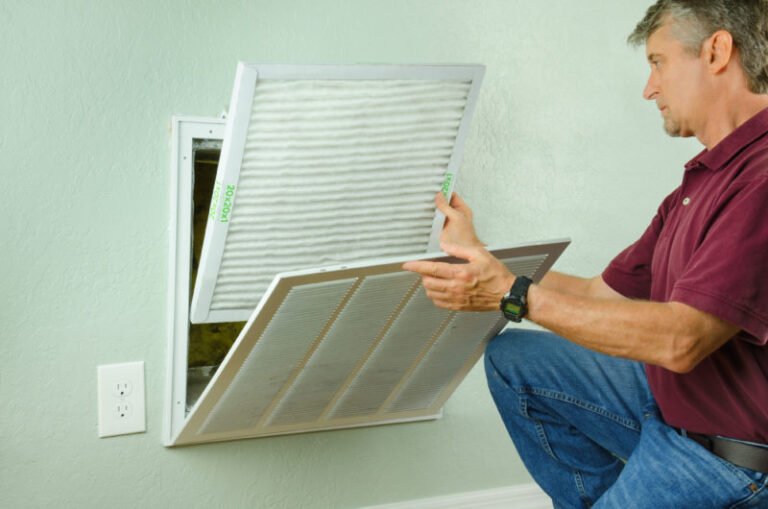
This is perhaps the easiest and most impactful maintenance task you can perform. Dirty filters restrict airflow, forcing your system to work harder. Replace your filters every 1-3 months, or more frequently if you have pets or live in a dusty area. This simple act can improve your HVAC efficiency by 5-15%.

2. Optimize Thermostat Settings

Programmable and smart thermostats are excellent tools for efficiency. Set your thermostat a few degrees higher in summer and lower in winter when you’re asleep or away. Each degree of adjustment can save you up to 2% on your energy bill. If you don’t have a programmable thermostat, consider upgrading to one for automatic temperature control.

3. Seal Your Ductwork

Leaky ducts can waste up to 30% of your conditioned air. Inspect visible ductwork for gaps or disconnections. Use mastic sealant or metal-backed tape (not duct tape) to seal small leaks. For more extensive duct repairs, consult a professional.

4. Keep Your Outdoor Unit Clean

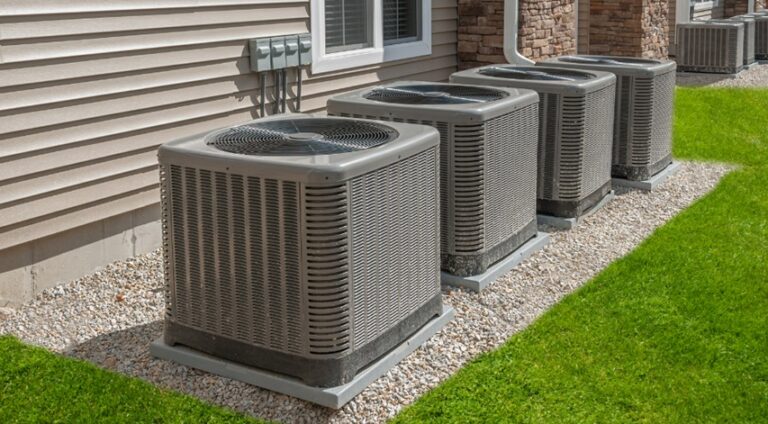
Your AC’s outdoor unit needs room to breathe. Clear away leaves, grass clippings, and other debris regularly. Trim back any vegetation to maintain at least two feet of clearance around the unit. This ensures proper airflow and prevents the system from overworking.

5. Use Ceiling Fans Strategically

Ceiling fans can make a room feel up to 4°F cooler, allowing you to raise your thermostat setting without sacrificing comfort. In summer, set fans to rotate counterclockwise to create a cool breeze. In winter, reverse the direction to help distribute warm air from the ceiling.

6. Maintain Clear Vents and Registers

Ensure that your supply and return vents aren’t blocked by furniture, rugs, or curtains. Obstructed vents can create pressure imbalances, making your system work harder. Regularly dust and vacuum vents to maintain good airflow.

7. Schedule Annual Professional Maintenance

While DIY maintenance is valuable, nothing beats a professional tune-up. Have a certified HVAC technician inspect and service your system annually. They can identify and fix minor issues before they become major problems, ensuring your system runs at peak efficiency.

Bonus Tip: Upgrade to a Smart Thermostat

If you haven’t already, consider upgrading to a smart thermostat. These devices learn your preferences and routines, automatically adjusting temperatures for optimal comfort and efficiency. Many can be controlled remotely via smartphone apps, allowing you to adjust settings on the go.

The Impact of Increased Efficiency

Implementing these tips can lead to significant benefits:

  • Lower energy bills: An efficient HVAC system uses less energy, directly reducing your utility costs.
  • Extended system lifespan: Reduced strain on your HVAC unit can help it last longer, delaying the need for costly replacements.
  • Improved comfort: An efficiently running system provides more consistent temperatures and better humidity control.
  • Reduced carbon footprint: Using less energy means your home has a smaller environmental impact.

Remember, efficiency is an ongoing process. Make these practices part of your regular home maintenance routine, and you’ll enjoy the benefits of a well-functioning HVAC system year-round.

By following these seven easy steps, you can significantly boost your HVAC unit’s efficiency. Not only will you save money, but you’ll also ensure a more comfortable living environment and contribute to a more sustainable future. Start implementing these changes today, and feel the difference in both your home and your wallet!

A well-designed patio can be the perfect space for entertaining guests, enjoying family gatherings, or simply relaxing in the fresh air. Transforming your outdoor area into a stylish and functional entertaining space requires careful planning and thoughtful design. Here are some tips to help you create the ultimate patio that will impress your guests and provide a comfortable retreat for all occasions.

  1. Define Your Space

The first step in designing your patio is to define the space and determine its primary functions. Consider how you plan to use the patio: Will it be primarily for dining, lounging, or a combination of both? Once you have a clear vision of the patio’s purpose, you can start planning the layout and choosing the right furniture and features.

Tip: Use outdoor rugs, planters, and furniture arrangements to define different zones within your patio. This can help create a sense of order and make the space feel more cohesive.

  1. Choose Durable and Stylish Furniture

Investing in high-quality, durable outdoor furniture is essential for creating a comfortable and long-lasting patio. Look for pieces made from weather-resistant materials such as teak, aluminum, or all-weather wicker. Cushions and upholstery should be covered in fade-resistant and water-repellent fabrics to withstand the elements.

Tip: Opt for furniture with clean lines and neutral colors for a timeless look. You can always add pops of color and personality with accessories like throw pillows, blankets, and table decor.

  1. Incorporate Shade and Shelter

Providing adequate shade and shelter is crucial for ensuring your patio can be enjoyed in various weather conditions. Consider installing a retractable awning, pergola, or outdoor umbrella to protect your guests from the sun and rain.

Tip: Motorized retractable screens can offer additional protection from insects and harsh weather while maintaining an open, airy feel. These screens can be easily adjusted to suit the changing conditions.

  1. Create Ambiance with Lighting

Outdoor lighting plays a significant role in setting the mood and extending the usability of your patio into the evening. Use a combination of string lights, lanterns, and pathway lights to create a warm and inviting atmosphere.

Tip: Incorporate dimmable LED lighting to adjust the brightness according to the occasion. Solar-powered lights are an eco-friendly option that can reduce energy costs.

  1. Add a Fire Feature

A fire feature can serve as a focal point and provide warmth during cooler evenings. Whether you choose a fire pit, fireplace, or tabletop fire bowl, this addition can enhance the ambiance and encourage guests to gather around.

Tip: Ensure your fire feature is safely installed and positioned away from flammable materials. Include comfortable seating around the fire to create a cozy gathering spot.

  1. Integrate Functional Accessories

Incorporating functional accessories can enhance the convenience and enjoyment of your patio. Consider adding a weatherproof storage bench, side tables, and an outdoor kitchen or bar area. These elements can make entertaining more effortless and enjoyable.

Tip: Choose multi-functional pieces, such as a storage bench that doubles as extra seating or a side table with built-in storage, to maximize space and utility.

  1. Personalize with Greenery and Decor

Adding plants and decorative elements can bring life and personality to your patio. Use potted plants, hanging baskets, and vertical gardens to introduce greenery and create a lush, inviting environment.

Tip: Select low-maintenance, drought-tolerant plants that thrive in your climate. Incorporate decorative accents like outdoor rugs, throw pillows, and artwork to reflect your style.

  1. Ensure Comfort with Climate Control

To create a truly comfortable entertaining space, consider incorporating climate control features such as outdoor fans, heaters, and misting systems. These additions can help regulate the temperature and ensure your guests remain comfortable throughout the year.

Tip: Install ceiling fans under covered areas to provide a cooling breeze during hot weather. Portable heaters or a built-in patio heater can extend the usability of your patio during cooler months.

  1. Plan for Privacy

Creating a sense of privacy is essential for making your patio feel like a true retreat. Use privacy screens, trellises with climbing plants, or strategically placed planters to block out unwanted views and create a more intimate setting.

Tip: Consider installing motorized retractable screens that can be adjusted for privacy as needed. These screens can be easily retracted when you want to open up the space.

  1. Incorporate Entertainment Options

Finally, adding entertainment options can make your patio the go-to spot for gatherings. Consider installing an outdoor sound system, a weatherproof television, or a projector for movie nights under the stars.

Tip: Ensure all electronic components are designed for outdoor use and are properly protected from the elements. Create a comfortable viewing area with ample seating and soft lighting.

By following these tips, you can design a stylish and functional patio that serves as the ultimate entertaining space. Whether you’re hosting a summer barbecue, a cozy winter gathering, or simply enjoying a quiet evening outdoors, your patio can become a versatile and inviting extension of your home. Invest in quality materials, incorporate thoughtful design elements, and personalize the space to reflect your style and needs. With a well-designed patio, you can create lasting memories with family and friends while enjoying the beauty and comfort of your outdoor living space.

Creating the perfect outdoor space is a goal for many homeowners, and a well-built deck can enhance both the functionality and beauty of a property. While some may consider embarking on the journey of building a deck themselves, hiring a professional can ultimately lead to a more satisfying and lasting outcome. Consulting a qualified deck contractor in Columbus ensures that the project is managed efficiently and effectively. This article covers the benefits of hiring a professional deck contractor and why it is a better option compared to a DIY approach.

Expertise and Experience

One of the primary advantages of hiring a professional is the expertise that a qualified deck contractor brings to the project. Experienced professionals have a deep understanding of construction techniques, building codes, and design principles. This knowledge enables them to create sturdy, aesthetically pleasing decks that not only meet safety standards but also enhance the overall appeal of the home.

In contrast, DIY builders may lack the necessary skills, resulting in potential miscalculations or structural weaknesses that could compromise the safety of the deck and its users.

Time and Efficiency

Building a deck can be time-consuming, especially for those unfamiliar with construction processes. A professional deck contractor can streamline the project by effectively managing the workload and adhering to timelines. They have access to the right tools and materials, which allows them to work quickly while maintaining high quality.

On the other hand, a DIY project often leads to delays, as homeowners may struggle to find time in their busy schedules or face setbacks due to a lack of expertise. Hiring a professional helps to ensure that the deck is completed in a timely manner, allowing homeowners to enjoy their outdoor space without unnecessary frustration.

Cost-Effectiveness

While it may seem that building a deck oneself is a cost-effective choice, the reality can be quite different. Hiring a professional saves money in the long run by avoiding costly mistakes that often arise from a lack of experience. A qualified deck contractor can source quality materials at competitive prices and provide valuable guidance on suitable options that fit the homeowner’s budget.

DIY efforts often lead to unexpected expenditures, such as purchasing incorrect materials or paying for repairs due to improper installation. Ultimately, investing in a professional can ensure that the project stays within budget while delivering a superior result.

Customization and Design

A skilled professional contractor plays a crucial role in the design process by assisting homeowners in crafting a vision that harmonizes with their home’s architecture and personal flair. By offering customized solutions and innovative concepts to optimize space and boost practicality, they elevate the design experience.

In contrast, DIY projects often lack the minute perspective of a seasoned contractor, potentially resulting in designs that fall short of meeting the homeowner’s specific requirements and tastes. With the expertise of a proficient deck contractor, a captivating outdoor oasis can be brought to life, reflecting the homeowner’s individuality and making efficient use of the available space.

Quality Assurance

Quality assurance is crucial when it comes to deck building. A professional deck contractor ensures that every aspect of construction meets high standards. They understand the importance of using durable materials and employing proper techniques to guarantee that the deck withstands the test of time and weather conditions.

On the contrary, DIY builders may not fully understand the complexities involved in creating a high-quality structure, leading to potential issues down the line, such as warping, rotting, or instability.

Conclusion

Understanding how to hire the right local deck builder can save homeowners from the frustration and potential hazards of attempting a DIY deck project. Expertise, efficiency, cost-effectiveness, customization, and quality assurance are crucial factors that make a professional contractor the clear choice for homeowners looking to add value to their property with a well-designed deck. Attempting a DIY project may save money upfront, but in the long run, it can lead to costly mistakes and disappointments. When it comes to building a deck, hiring a professional is undoubtedly the best way to go.

When the temperature rises, there’s nothing more frustrating than having your AC take what seems like forever to cool your home. Your discomfort only grows as you start thinking about the potential repair costs and the possibility of having to endure days without a functioning air conditioner.

But before jumping to conclusions and assuming the worst, seeking professional help for air conditioner repair in Burnsville is important. It’s important to understand the reasons why your AC may be taking longer than usual to cool your home. In this article, we will discuss some of the common reasons why this may happen and what you can do to improve your AC’s cooling efficiency.

Dirty Air Filter

One of the most common causes of an AC taking a long time to cool a home is a dirty air filter. When the air filter becomes clogged with dust, debris, and other particles, it restricts airflow and makes it difficult for your AC to circulate cool air throughout your home. This results in longer cooling times as your AC has to work harder to push out cooler air.

The solution is simple – regularly replace or clean your air filter every 1-3 months, depending on usage and the type of filter you have. This will not only help your AC cool your home faster, but it will also improve indoor air quality and reduce energy consumption.

Clogged Condenser Unit

Another common cause of an AC taking too long to cool a home is a clogged condenser unit. The condenser is responsible for releasing heat from your home’s indoor air to the outdoors. However, if the unit becomes dirty or obstructed by leaves, dirt, or debris, it cannot effectively perform its job and may result in longer cooling times.

To prevent this issue, regularly clean the area around your outdoor condenser unit and remove any obstructions. If you are wondering why the house feels humid with the AC on, then making sure that the condenser is clean and free from obstructions is even more important.

Refrigerant Leak

Refrigerant is the liquid that absorbs heat from your home’s indoor air and carries it outside to be released by the condenser. If there is a leak in your AC’s refrigerant line, there will not be enough of it to properly cool your home. This can result in longer cooling times as well as potential damage to your AC unit.

If you suspect a refrigerant leak, it’s important to have it addressed by a professional HVAC technician. They will be able to locate and repair the leak and recharge your system with the correct amount of refrigerant.

Improperly Sized AC Unit

Installing an air conditioner that is too small for your home can cause it to take longer to cool your space. If the AC is not powerful enough, it will have to work overtime to reach and maintain the desired temperature, resulting in longer cooling times.

On the other hand, an air conditioner that is too big for your home may also result in longer cooling times. This is because the AC will cycle on and off more frequently, which can lead to uneven cooling and excess wear and tear on the unit.

To ensure proper sizing of your AC unit, it’s best to consult with a professional HVAC technician who can assess your home and recommend the right size for optimal cooling efficiency.

Conclusion

There are several potential reasons why your AC may be taking longer than usual to cool your home. By regularly maintaining and cleaning your air filter and outdoor unit, checking for refrigerant leaks, and ensuring proper sizing of your AC unit, you can improve its cooling efficiency and reduce the time it takes to cool your space. However, if these solutions do not seem to solve the issue, it’s best to find a reliable AC repair company to diagnose and address the problem. Remember, proper maintenance and timely repairs can help extend the lifespan of your AC unit and keep your home cool and comfortable all year long. So be sure to stay proactive when it comes to your AC’s performance!

Sustainability and environmentally friendly practices play a fundamental role in societies. These promote responsible resource use, mitigate the effects of climate change, and safeguard biodiversity. 

Many have adopted energy efficiency in buildings to support environmental sustainability. Energy-efficient buildings reduce greenhouse gas emissions and contribute to improved air quality. These structures also enhance indoor air quality by minimizing pollutants and allergens. 

A structural engineer NJ can help construct energy-efficient buildings. Their proficiency enables them to assess a building’s current condition and apply strategies for implementing energy efficiency like active design. Active strategies rely on electrical or mechanical systems to enhance building performance. It utilizes cutting-edge technology to manage and regulate various aspects of building operations. 

One example of active design is utilizing high-efficiency heating, ventilation, and air conditioning (HVAC) systems. These systems typically use less energy and function at a higher frequency than their regular counterparts. The Seasonal Energy Efficiency Ratio (SEER) assesses the effectiveness of HVAC systems. A high-efficiency HVAC system typically ranges between 13 and 21 SEER.  

Switching to LED light bulbs is another active strategy to achieve energy efficiency in buildings. LED bulbs use one-third the energy of fluorescent bulbs and less than a seventh of incandescent bulbs. 

Property owners can also add motion sensors or timers for lighting to implement energy-efficient lighting. These measures reduce energy consumption by automatically adjusting the light depending on the time of the day or when the room is not used. 

While integrating energy-efficient strategies during the design and construction phase is optimal, it is feasible to implement them post-construction. Engineers can perform property condition assessment NJ on existing buildings to identify opportunities for integrating energy-efficient systems and technologies. This approach allows property owners to improve energy performance, reduce operating costs, and enhance sustainability efforts even after initial development.

This infographic from Lockatong Engineering further explains the importance of energy-efficient buildings and incorporating strategies to maintain comfortable indoor conditions. 


Installing a swimming pool can be an exciting yet daunting project. When considering a swimming pool installation in Atlanta, it is crucial to ask the right questions to ensure a smooth and successful process. This guide will walk through some of the top questions to ask your contractor, helping you make informed decisions and achieve the pool of your dreams.

What is the Total Cost of Installation?

Understanding the total cost upfront is essential to avoid any unexpected expenses. Ask for a detailed breakdown of costs, including excavation, materials, labor, permits, and additional features like lighting or landscaping. Having this information will help in budgeting and prevent financial surprises during the installation.

What is the Project Timeline?

Knowing the project timeline helps you plan around the installation and mitigates disruptions to your daily life. Inquire about each stage of the process, from initial design to final touches, and ask for a realistic completion date. This information ensures that your expectations align with the contractor’s schedule.

What Type of Pool is Best for My Yard?

Different yards have different requirements, and the type of pool best suited for your space depends on various factors, including soil type, slope, and size. Consult your contractor on the best options, whether it’s an in-ground pool, an above-ground pool, or a custom design that fits the landscape.

What Kind of Maintenance Will Be Required?

Swimming pools require regular maintenance to keep them in good condition. Ask about the specific maintenance tasks needed for your chosen pool type and any ongoing costs. This could include cleaning, chemical balancing, and potential repairs. Understanding these responsibilities will help you maintain the pool efficiently.

What Warranties and Guarantees Are Provided?

Ensure that your contractor offers warranties on both the workmanship and the materials used. A comprehensive warranty protects you against future problems and gives you peace of mind. Inquire about the length and details of the warranty, and get everything in writing to safeguard your investment.

What Can I Expect During Installation?

Understanding what to expect during the new pool construction can help reduce stress and prepare for disruptions. This includes knowing about the steps involved, potential challenges, and how they plan to address unforeseen issues. A well-informed client is better prepared for the process.

Conclusion

Asking these key questions before embarking on a swimming pool installation ensures that you are well-prepared and informed. It allows for better planning, budgeting, and a smoother installation process. By understanding every aspect, from costs to maintenance, you can enjoy your new pool with confidence and peace of mind.

Homeowners associations (HOAs) are common in many residential communities, and they can have a significant impact on homeowners and tenants alike. One area where HOAs have control is over rental restrictions within the community.

In this guide, we will discuss what rental restrictions are, why HOAs enforce them, and how they may affect homeowners and tenants. We will also cover some important considerations for both landlords and renters when it comes to navigating these restrictions.

What Are Rental Restrictions?

Rental restrictions refer to rules or regulations put in place by an HOA that limit or prohibit renting out a property within the community. These restrictions can vary greatly from one HOA to another, and may include limits on the number of rental properties allowed in the community, length of rental terms, or even outright bans on rentals. The homeowners association rental restrictions in Georgia aids in maintaining the overall aesthetic appeal of the community and ensure that residents are adhering to a certain standard of living.

Why Do HOAs Enforce Rental Restrictions?

There are several reasons why an HOA may choose to enforce rental restrictions:

  1. Maintaining Property Values: One of the main purposes of a homeowners association is to maintain property values within the community. By limiting rentals, HOAs aim to prevent properties from falling into disrepair or being neglected by absentee landlords, which can lower property values for all homeowners.
  2. Avoiding Legal Issues: In some areas, there may be laws or regulations that require HOAs to enforce rental restrictions. For example, in cities with strict occupancy limits, allowing too many rental properties in a community could result in legal issues for the HOA.
  3. Protecting Community Atmosphere: HOAs often have specific rules and regulations in place to maintain the overall aesthetic and atmosphere of the community. Allowing too many rentals may lead to an influx of temporary residents who do not have the same investment or commitment to upholding these standards.

How Do Rental Restrictions Affect Homeowners and Tenants?

For homeowners, rental restrictions can impact their ability to rent out their property as a source of income or investment. They may also face additional fees or penalties for violating rental restrictions set by the HOA.

For tenants, rental restrictions can limit their housing options within a desired community and may also come with additional rules and regulations that they must adhere to as part of living in an HOA-controlled property.

Important Considerations for Landlords and Tenants

If you are a landlord or a tenant in a community with rental restrictions, here are some important considerations:

  1. Read and Understand the Bylaws: It is essential to thoroughly read and understand the HOA’s bylaws before purchasing or renting a property within their jurisdiction. This will give you a clear understanding of any rental restrictions in place and how they may affect you.
  2. Obtain Proper Permits and Approvals: If the HOA does allow rentals, be sure to obtain all necessary permits and approvals before renting out your property. Failure to do so could result in fines or legal action.
  3. Communicate with the HOA: Whether you are a landlord or tenant, it is important to communicate openly with the HOA regarding rental restrictions and any potential issues that may arise. This can help avoid conflicts or misunderstandings in the future.

Conclusion

HOAs enforce rental restrictions for various reasons, and they can have a significant impact on homeowners and tenants. It is crucial to understand these restrictions and their potential implications before purchasing or renting a property within an HOA community. Also, knowing how to effectively enforce HOA rules can help maintain the overall integrity and atmosphere of the community. By following HOA guidelines, communicating with the HOA, and obtaining proper permits and approvals, homeowners and tenants can navigate rental restrictions successfully. Remember to always stay informed and follow all rules and regulations set by the HOA to ensure a positive living experience for all residents in the community.

In the bustling, technology-driven economy of Singapore, the demand for versatile, well-equipped industrial spaces has never been higher. As businesses of all sizes seek to optimize their operations and position themselves for growth, the ability to access affordable, strategically located factories has become a crucial competitive advantage.

This is where JTC Corporation, Singapore’s leading industrial infrastructure provider, steps in with its comprehensive JTC factory rental program. By offering a diverse portfolio of purpose-built factory units across the island, JTC enables entrepreneurs, SMEs, and large-scale enterprises to secure the right industrial spaces to power their success.

But what exactly is JTC factory rental, and how can it benefit your business? In this comprehensive guide, we’ll delve into the ins and outs of this strategic real estate option, explore its importance in the Singaporean industrial landscape, and highlight the value of working with professional real estate agents to navigate the process.

Understanding JTC Factory Rental in Singapore

JTC Corporation, a statutory board under the Ministry of Trade and Industry, is responsible for developing and managing Singapore’s industrial infrastructure. As part of its mandate, JTC offers a wide range of factory rental options to cater to the diverse needs of businesses operating in the city-state.

The JTC factory rental program encompasses a diverse array of industrial spaces, ranging from standard factory units to specialized facilities tailored for specific industries or manufacturing processes. These properties are strategically located across Singapore, providing easy access to key transportation hubs, essential utilities, and other support infrastructure.

Some of the most common types of JTC factory units available for rent include:

Standard Factory Units: These are single-story or multi-story facilities designed for general manufacturing, assembly, or warehousing activities.

Specialized Factory Units: These units cater to industries with unique requirements, such as food processing, biomedical manufacturing, or high-tech electronics.

Ramp-Up Factories: These purpose-built facilities allow for a gradual, scalable expansion of operations, making them ideal for growing businesses.

Intermediate Business Parks: Positioned between traditional industrial estates and commercial office spaces, these hybrid facilities offer a mix of production, research, and administrative functions.

The rental process for JTC factories typically involves a competitive bidding system, where interested businesses submit their proposals and rental bids to secure the desired unit. The selection criteria may consider factors such as the applicant’s industry, business plans, and financial standing, ensuring that the allocated spaces align with Singapore’s broader economic and industrial development strategies.

The Importance of JTC Factory Rental in Singapore

JTC factory rental plays a vital role in supporting the growth and competitiveness of Singapore’s industrial sector, which is a critical driver of the nation’s overall economic prosperity. Here are some of the key reasons why this program is so important:

Enabling Affordable Access to Industrial Spaces

Singapore’s land scarcity and high property prices can pose significant challenges for businesses, especially smaller enterprises and startups, seeking to secure suitable industrial premises. By offering competitively priced factory rentals, JTC helps level the playing field and provides a more accessible pathway for these organizations to establish or expand their operations.

Fostering Innovation and Entrepreneurship

The availability of well-equipped, strategically located factory units encourages the growth of innovative industries and the emergence of new, technology-driven businesses. This, in turn, strengthens Singapore’s position as a global hub for cutting-edge manufacturing, research, and development.

Supporting Industry Transformation and Upgrading

Many of JTC’s factory rental offerings incorporate the latest sustainable design features and smart technologies, enabling tenants to operate in a more energy-efficient, productive, and environmentally responsible manner. This aligns with Singapore’s broader goals of driving industrial transformation and upgrading the nation’s manufacturing capabilities.

Enhancing Singapore’s Competitiveness

By providing a diverse range of high-quality, well-maintained industrial spaces, JTC factory rental helps reinforce Singapore’s reputation as an attractive destination for global businesses seeking to establish or expand their Asian operations. This, in turn, boosts the country’s overall competitiveness and appeal as a leading industrial hub.

The Value of Working with Professional Real Estate Agents for JTC Factory Rental

While the JTC factory rental process may seem straightforward, navigating the complexities of this market can be a daunting task, especially for businesses new to the Singaporean industrial landscape. This is where the expertise of professional real estate agents can be invaluable.

Here are some of the key reasons why enlisting the help of a seasoned real estate agent is crucial when exploring JTC factory rental options:

Comprehensive Market Knowledge

Experienced real estate agents have an in-depth understanding of the Singaporean industrial property market, including the available JTC factory units, their unique features, and the prevailing rental rates. This knowledge allows them to identify the most suitable options that align with your business’s specific requirements and budget.

Streamlined Search and Bidding Process

Real estate agents can leverage their extensive industry connections and proprietary databases to quickly identify and shortlist the most promising JTC factory rental opportunities. They can also guide you through the competitive bidding process, ensuring your proposal is strategically positioned for success.

Negotiation and Contractual Expertise

Negotiating the terms of a JTC factory rental agreement requires a nuanced understanding of the legal and financial implications. Real estate agents can leverage their expertise to secure the most favorable rental rates, lease terms, and tenant incentives on your behalf.

Ongoing Support and Tenant Advisory

Once you’ve secured a JTC factory unit, your real estate agent can continue to provide valuable support and guidance throughout the tenancy. This may include assistance with property management, expansion planning, or navigating any regulatory or operational challenges that may arise.

Access to Specialized Industry Insights

Many reputable real estate agencies maintain strong relationships with government entities like JTC Corporation, as well as other key players in the industrial sector. This allows them to provide you with valuable insights, market trends, and strategic advice to help you make informed decisions about your factory rental needs.

Conclusion

In the dynamic, technology-driven economy of Singapore, the ability to access affordable, well-equipped industrial spaces is a crucial enabler of business growth and competitiveness. JTC factory rental offers a robust, versatile solution that caters to the diverse needs of entrepreneurs, SMEs, and large enterprises alike.

By understanding the ins and outs of this program, from the types of factory units available to the importance of JTC factory rental in the broader industrial landscape, businesses can unlock a world of opportunities to establish, expand, or optimize their operations.

To navigate the complexities of the JTC factory rental market and ensure a seamless, successful tenancy, working with experienced real estate agents is an invaluable investment. These professionals can leverage their deep industry knowledge, extensive connections, and specialized expertise to help you secure the ideal industrial space and lay the foundation for long-term success.

Embrace the power of JTC factory rental and partner with the right real estate experts to elevate your business to new heights in Singapore’s thriving industrial ecosystem.

How I Became the LED Lighting Guru of Singapore

Ahoy there! I’m your friendly neighborhood Lighting Electrician, and let me tell you a tale of how I stumbled into the luminous world of LED lighting installations. Picture this: a young lad with a penchant for tinkering with gadgets, who once accidentally turned his family’s living room into a disco with a faulty light installation. That was me, and that mishap sparked a passion for all things electrical. Fast forward a few years, armed with certifications and a toolbox, I’ve lit up countless homes and offices in Singapore. Along the way, I’ve seen the good, the bad, and the downright ugly of LED lighting installations. So, let’s dive into the common mistakes to avoid when setting up your own LED lights, and how to get it right with a little help from Q&E Smart Home System.

Mistake 1: Skimping on Quality

The Perils of Cheap LEDs

One of the most frequent mistakes I see is people opting for cheap, low-quality LED lights. These might save you a few bucks initially, but they often lead to flickering, poor light quality, and a shorter lifespan.

Advice

Invest in high-quality LED lights from reputable brands. They offer better performance, longevity, and energy efficiency. Trust me, it’s worth the extra cost.

Mistake 2: Ignoring the Importance of Planning

Haphazard Installations

Jumping into an installation without a proper plan is like sailing a ship without a map. You might end up with uneven lighting, dark spots, or overly bright areas that strain your eyes.

Advice

Before you start, create a detailed lighting plan. Consider the purpose of each room, the ambiance you want to create, and the placement of lights to ensure even distribution. If planning feels overwhelming, consulting with experts at Q&E Smart Home System can make the process smoother.

Mistake 3: Overlooking Compatibility

Mismatched Components

Using incompatible LED fixtures and dimmers can lead to frustrating issues like buzzing, flickering, or even complete system failures.

Advice

Always check the compatibility of your LED lights with your dimmers and fixtures. Stick to components that are designed to work together. When in doubt, seek advice from professionals who specialize in LED lighting installations.

Mistake 4: Poor Placement and Spacing

The Spotlight Dilemma

Improper placement and spacing of LED lights can make a room look awkward. Too close, and you’ll have harsh, overlapping light; too far apart, and you’ll be left with dark corners.

Advice

Follow the recommended spacing guidelines for LED lights based on their wattage and the room’s dimensions. Use a mix of ambient, task, and accent lighting to create a balanced and visually appealing environment.

Mistake 5: Neglecting Heat Management

Overheating Hazards

LEDs generate less heat than traditional bulbs, but they still need proper ventilation. Poor heat management can shorten the lifespan of your LEDs and potentially cause safety hazards.

Advice

Ensure your LED fixtures have adequate ventilation. Avoid installing LEDs in enclosed fixtures unless they are specifically designed for such use. Q&E Smart Home System offers a range of well-ventilated fixtures that ensure your LEDs stay cool and perform optimally.

Mistake 6: DIY Electrical Work

The DIY Disaster

While DIY projects can be fun, electrical work is best left to the professionals. Improper installations can lead to electrical shorts, fires, or damage to your LED lights.

Advice

Hire a licensed electrician for your LED lighting installations. They have the expertise to handle the wiring safely and ensure everything is up to code. If you’re in Singapore, the experts at Q&E Smart Home System are just a call away.

Mistake 7: Forgetting About Controls

The One-Switch Problem

Relying on a single switch to control all your lights can be incredibly inconvenient and limit the functionality of your lighting system.

Advice

Consider installing smart lighting controls that allow you to adjust brightness, color, and schedules remotely. Smart home systems, like those offered by Q&E Smart Home System, can greatly enhance the convenience and flexibility of your LED lighting.

Conclusion

LED lighting installations can transform your home or office into a well-lit, energy-efficient haven—if done correctly. Avoid these common mistakes, invest in quality products, plan carefully, and don’t hesitate to seek professional help. With a little effort and the right guidance from Q&E Smart Home System, you’ll be basking in the perfect glow of your LED lights in no time.

Remember, in the world of LED lighting, it’s not just about illuminating a space; it’s about creating an experience. So, get it right, and let there be light!


Relocation comes with a lot of complications. It does not only take a lot of planning, it also leads to high expenses. This is why, people fear relocation. However, Safe Ship Moving Services has been offering relocation assistance for a long time. The employees of the moving company have come up with a list of tips for relocation on a budget.

Safe Ship Moving Services On Relocation Costs

Relocating to a new home can be an exciting adventure. However, the costs associated with moving can quickly go up. This could turn a thrilling journey into a financial burden. From packing materials to transportation relocation expenses can spiral out of control if not carefully managed. However, with some strategic planning and smart choices, you can relocate without spending too much money.

Why Relocation Costs Go High

Before getting into the cost-saving tips, let’s have a look at the reasons that push the relocation cost up.

  1. Packing Supplies: High-quality packing materials are expensive. Many people underestimate the amount of supplies needed, leading to last-minute purchases at high prices.
  2. Transportation Costs: Renting a moving truck or hiring a moving company involves high expenses.
  3. Time and Labor: You may have to take time off from your work for your relocation. It results in loss of pay and increases moving costs indirectly.
  4. Unforeseen Expenses: Unexpected expenses are unavoidable when you are relocating. After the relocation, you will see that a lot of tiny expenses have taken place.

How to Relocate on a Tight Budget

Tight budget and relocation don’t go hand in hand. So, if you are relocating on a tight budget, you may have to make many calculative moves. Here are some quick tips to relocate on a tight budget.

  1. Plan Ahead: Start planning your move as early as possible. This gives you time to last-minute rush charges.
  2. Declutter: Reduce the volume of items you need to move by decluttering your home. Try to sell, donate, or discard items you no longer need. Fewer items mean fewer packing supplies and lower transportation costs.
  3. DIY Packing: Save money by packing your belongings yourself. Hiring service providers for packing could be expensive.
  4. Compare Moving Quotes: Get quotes from multiple moving companies and compare their rates. Look for companies that offer reasonable pricing and check for any hidden fees.
  5. Rent a Moving Truck: If you are comfortable driving a larger vehicle, renting a moving truck can be a cost-effective option. Make sure to factor in fuel costs and insurance when comparing prices.

Reputed services like Safe Ship Moving Services can simplify your relocation process. Relocating on a tight budget is achievable with careful planning and strategizing. However, for complex moves or when handling valuable items, consulting a reputed moving company is a wise investment. If you are relocating to a new country or city, you should hire a professional moving company. They know the relocation law and will be able to help you make the right choice. They also know the inter-city relocation challenges. Therefore, you will be in a safe hand if you hire a professional.