
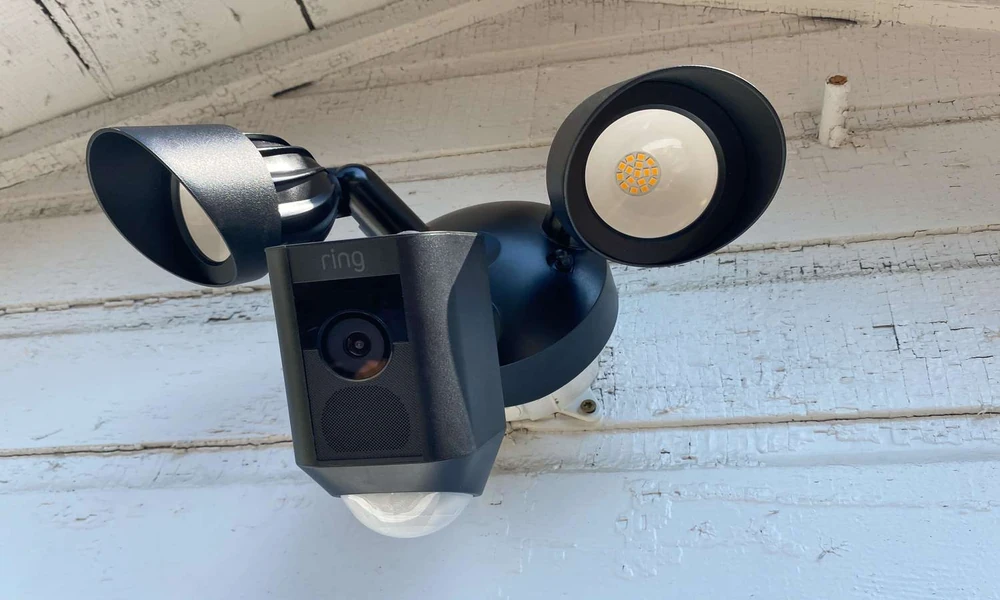
Home security has come a long way from traditional porch lights and basic motion sensors. Today, Austin, Texas homeowners have access to smart outdoor lighting systems that combine powerful LED floodlights, high-definition security cameras, motion detection, and home automation into one convenient setup. These systems provide more than just illumination. They can help homeowners monitor their property, receive real-time alerts, and improve visibility around vulnerable areas of their homes.
From motion-activated floodlights around garages and driveways to smart security lighting with integrated cameras, Austin homeowners can rely on Tejas Electric for professional security light installation designed to improve nighttime visibility and help protect their properties. With the right equipment and properly planned electrical connections, smart security floodlights can become an important part of a home’s overall security strategy.
However, choosing the right fixtures is only part of the process. Homeowners also need to consider electrical requirements, Wi-Fi coverage, camera placement, smart-home compatibility, and how different devices will work together. Whether you’re upgrading an existing exterior light or planning a more comprehensive outdoor security system, understanding these details can help you get more value from your investment.
1. Installing Smart Floodlights with Integrated Security Cameras
One of the biggest improvements in residential security technology is the combination of outdoor floodlights and integrated cameras. Instead of installing separate lighting fixtures and surveillance equipment, homeowners can choose products that bring both functions together.
Smart floodlight cameras typically include several features:
- Bright LED lighting that illuminates driveways, yards, and entry points.
- Motion sensors that activate the lights when movement is detected.
- Built-in cameras that capture video footage.
- Two-way audio that allows homeowners to communicate with visitors.
- Smartphone notifications when activity is detected.
- Night vision or low-light recording capabilities.
- Optional sirens and other security features.
For Austin homeowners, these fixtures can be especially useful around garages, side entrances, detached workshops, patios, and areas that may otherwise remain dark after sunset.
For example, a homeowner in North Austin might install a camera-equipped floodlight above the garage to monitor vehicles and the driveway. Another homeowner in Circle C Ranch or Steiner Ranch might prefer a smart floodlight overlooking a backyard patio or side gate.
The key is selecting a fixture that provides sufficient illumination while capturing the camera angles needed to monitor the area effectively.
Tejas Electric can help homeowners evaluate the electrical installation requirements for these fixtures and determine whether existing exterior lighting connections are suitable for an upgrade.
2. Hardwired Smart Floodlights vs. Battery-Powered Alternatives
Not all smart security lights require the same type of installation. One of the first decisions homeowners should make is whether to choose a hardwired fixture or a battery-powered model.
Both options have advantages, but they serve somewhat different purposes.
Hardwired Smart Security Floodlights
Hardwired fixtures connect to a home’s electrical system and receive power through permanent wiring. Many models are designed to replace existing exterior light fixtures, although the electrical requirements vary by manufacturer.
Some advantages include:
- Consistent electrical power without routine battery replacement.
- Reliable operation when properly installed.
- Brighter lighting options for larger outdoor areas.
- Integration with existing exterior lighting circuits.
- Compatibility with certain whole-home automation systems.
- Fewer interruptions caused by depleted batteries.
Hardwired fixtures are often a good choice for homeowners who want permanent security lighting around garages, driveways, and frequently used outdoor spaces.
They are particularly practical when replacing older floodlights that already have an appropriate electrical connection.
However, homeowners should not assume that every existing light box can support a new camera-equipped fixture. The electrical box, wiring, grounding, circuit capacity, and mounting arrangement should all be evaluated before installation.
Battery-Powered Smart Floodlights
Battery-powered models offer more flexibility because they do not require a permanent electrical connection at the fixture.
Depending on the product, they may include rechargeable batteries, replaceable batteries, or optional solar charging.
Their advantages include:
- Easier placement in locations without existing wiring.
- Less invasive installation for certain mounting situations.
- Flexibility for sheds, fences, and detached structures.
- No need to connect the fixture to an existing lighting circuit.
However, battery-powered models require ongoing battery maintenance. Heavy motion activity, frequent recording, cold weather, and extensive use can affect battery life.
They may also have limitations involving brightness, recording frequency, and smart-home functionality.
For homeowners who want continuous operation and dependable illumination around important access points, hardwired fixtures are often worth considering.
3. Planning Electrical Connections Around Garages, Patios, and Entryways
A smart floodlight camera is only as dependable as its installation.
Before choosing fixture locations, homeowners should consider how power will reach each device and whether the existing electrical system can accommodate the new equipment.
Garages are often among the most practical locations for smart security floodlights. A fixture mounted above or near the garage can illuminate vehicles, driveways, and nearby walkways while providing a useful camera view.
Patios present different considerations. A camera-equipped light may need to cover outdoor seating areas, sliding glass doors, and backyard access points. The mounting location should provide adequate illumination without shining directly into neighboring windows.
Entryways also deserve attention. Side doors, rear entrances, and less frequently used access points can benefit from motion-activated lighting.
During installation planning, an electrician should evaluate:
Existing electrical boxes: The existing fixture box must be appropriate for the replacement fixture’s weight, mounting requirements, and electrical connections.
Circuit capacity: Although many smart floodlights have relatively modest electrical loads, the existing circuit should still be evaluated, especially when multiple exterior fixtures are being added.
Grounding: Proper grounding is an important part of a safe electrical installation.
Weather protection: Outdoor electrical connections must be protected against moisture and environmental exposure using appropriate equipment and installation methods.
Mounting height: The fixture should be positioned to provide useful lighting and camera coverage without creating excessive glare or obstructed views.
Wire condition: Older homes may have deteriorated wiring, outdated electrical boxes, or previous repairs that should be addressed before installing modern smart fixtures.
Tejas Electric can help Austin homeowners determine whether existing electrical connections are suitable or whether additional wiring is needed to support a new security lighting system.
4. Evaluating Wi-Fi Coverage Before Installing Camera-Equipped Lights
A common mistake homeowners make is purchasing smart floodlights before checking whether their outdoor Wi-Fi signal is strong enough.
A camera-equipped floodlight needs more than electricity. It also needs a reliable communication connection to transmit video, receive commands, and send motion notifications.
A fixture might turn on perfectly every time someone approaches the driveway, but if the Wi-Fi signal is weak, the camera could experience delayed notifications, interrupted video, or difficulty connecting to the manufacturer’s application.
This is particularly important for larger Austin properties, homes with detached garages, and houses with extensive outdoor living spaces.
Before installing smart security lights, consider the following:
- Test Wi-Fi strength at the exact proposed fixture location.
- Check whether exterior walls or brick construction weaken the signal.
- Consider the distance between the fixture and the wireless router.
- Evaluate whether a mesh Wi-Fi system or compatible outdoor access point could improve coverage.
- Confirm that the camera supports your home’s wireless network requirements.
- Check whether the device requires a specific Wi-Fi frequency band.
A homeowner in Dripping Springs, for example, might have a larger property with a detached garage or workshop located farther from the main house. A smart floodlight installed on that structure may need additional network coverage to operate consistently.
Proper device placement matters just as much as choosing the right equipment. A camera should have a useful view of the property while remaining within a dependable wireless signal range.
It is also worth remembering that some smart cameras offer local storage or alternative connectivity features, but these capabilities vary by manufacturer.
5. Connecting Smart Security Lighting to Your Home Automation System
Smart floodlights become even more useful when they work with the rest of your home’s technology.
Many modern security lighting products support popular smart-home platforms, allowing homeowners to control lighting and monitor activity through a centralized application or compatible voice assistant.
- Smartphone applications.
- Amazon Alexa.
- Google Home.
- Apple Home, when supported by the specific product.
- Compatible home security systems.
- Smart lighting hubs and automation platforms.
For example, a homeowner might configure a smart floodlight to activate when the garage camera detects movement after dark. Another homeowner could create an automation that turns on exterior lighting when a compatible smart lock is unlocked.
Some systems can also coordinate lighting with indoor smart devices.
However, compatibility should always be confirmed before purchasing equipment. Not every smart floodlight supports every platform, and certain features may require a subscription, hub, or additional hardware.
Homeowners should also consider whether they want independent control of each fixture or a coordinated system that manages multiple outdoor lights together.
A well-planned setup can make everyday security management easier without requiring homeowners to operate several unrelated applications.
6. Setting Up Motion Notifications, Lighting Schedules, and Automated Responses
One of the most useful features of smart security lighting is the ability to customize how the system responds to activity.
Traditional motion-activated lights generally operate in a relatively simple way: movement triggers the light, and the light shuts off after a preset period.
Smart systems offer considerably more flexibility.
Customized Motion Notifications
Homeowners can often configure notifications to alert them when a camera detects movement.
Depending on the device, detection settings may distinguish between people, vehicles, animals, or general motion.
This can help reduce unnecessary notifications caused by passing cars, tree branches, or neighborhood activity.
For example, someone living near a busy street in Hyde Park or East Austin might want to limit notifications to activity within a specific detection zone rather than receiving an alert every time a vehicle passes.
Lighting Schedules
Smart floodlights can also operate according to customized schedules.
A homeowner might configure the driveway lights to activate at sunset and switch off at a designated time. Motion detection could then reactivate the lights later in the evening when someone approaches.
Other possibilities include:
- Keeping entryway lights illuminated during evening hours.
- Reducing brightness during late-night hours.
- Activating selected lights when motion is detected.
- Creating different weekday and weekend schedules.
- Coordinating exterior lighting with vacation or away modes.
Automated Security Responses
Depending on the system, homeowners may be able to create automated responses when a camera detects activity.
For example, movement near a rear entrance could trigger a floodlight and send a smartphone notification. A compatible security system might also activate another camera or initiate a recording event.
The objective is to make the property more visible and easier to monitor without requiring constant manual control.
7. Integrating Smart Floodlights with Video Doorbells and Existing Security Cameras
Homeowners who already have a video doorbell or security camera system should consider how new floodlights will fit into their existing setup.
Adding another camera without considering the rest of the system can create unnecessary overlap or leave important areas unmonitored.
A better approach is to think about the property as a series of connected security zones.
For example:
Front entrance: A video doorbell can monitor visitors approaching the front door, while a nearby smart floodlight provides additional illumination.
Garage and driveway: A camera-equipped floodlight can monitor vehicle access, garage doors, and activity along the driveway.
Backyard and patio: A smart floodlight can illuminate outdoor living spaces and provide additional coverage around sliding doors and rear entrances.
Side access points: Smaller motion-activated fixtures can illuminate narrow walkways and less visible entrances.
This arrangement helps reduce blind spots while allowing homeowners to monitor different areas of their property.
Before purchasing additional devices, check whether the existing camera system supports shared applications, centralized notifications, or automation between products.
Some manufacturers offer integrated ecosystems, while others require third-party platforms or separate applications.
Tejas Electric can help homeowners with the electrical side of adding new security lighting locations, particularly when an existing camera system is being expanded.
8. Understanding Electrical Requirements When Replacing Traditional Exterior Fixtures
Replacing a traditional outdoor floodlight with a smart security fixture may seem like a straightforward upgrade.
In some situations, it is relatively simple. However, modern camera-equipped lights can have different installation requirements from older exterior fixtures.
Before replacing an existing light, several electrical details should be considered.
Voltage and power requirements: Most residential smart floodlights are designed for standard household electrical systems, but the manufacturer’s specifications must always be checked.
Electrical box compatibility: The existing box must be suitable for the new fixture’s weight, mounting hardware, and wiring arrangement.
Neutral and grounding connections: Some smart fixtures require a neutral conductor, and all applicable grounding requirements must be satisfied.
Switch configuration: Existing wall switches may affect whether a smart floodlight remains powered and connected to Wi-Fi. Homeowners should understand how the fixture is designed to operate before changing existing controls.
Outdoor ratings: Fixtures must be appropriately rated for their installation environment. Exposure to rain, humidity, dust, and direct sunlight can affect equipment performance.
Circuit protection: The existing circuit should be evaluated to ensure the installation is appropriately protected and that there are no underlying electrical problems.
There is also the question of older wiring. Austin has homes with a wide range of ages and electrical configurations. An exterior fixture installed decades ago may have connections or mounting arrangements that are not appropriate for newer smart equipment.
A professional evaluation can identify these issues before they become problems.
9. Is Smart Security Floodlight Installation a DIY Project or Should You Hire an Electrician?
This is an important question for homeowners who enjoy handling their own home improvement projects.
The answer depends on the type of fixture, the installation method, and whether any changes to the home’s electrical wiring are necessary.
When DIY Installation May Be Appropriate
Some battery-powered smart security lights are specifically designed for homeowner installation.
These products may use mounting brackets, screws, rechargeable batteries, and wireless connectivity without requiring a connection to household wiring.
If the manufacturer explicitly identifies the fixture as suitable for homeowner installation, a handy person may be able to mount it by following the instructions.
Even then, homeowners should consider mounting height, weather exposure, ladder safety, and avoiding concealed wiring or other hazards.
Some plug-in products may also be suitable for DIY installation when used according to their listing and manufacturer instructions.
When You Should Hire a Licensed Electrician
Hardwired smart floodlights are a different matter.
If installation involves connecting household wiring, replacing electrical boxes, extending circuits, installing new wiring, or modifying existing electrical connections, homeowners should have the work performed by a qualified, properly licensed Texas electrician.
Texas electrical licensing requirements matter because electrical work must comply with applicable state and local rules.
A licensed electrician can evaluate the existing circuit, verify the wiring configuration, establish proper grounding, and ensure outdoor connections receive appropriate protection.
This is especially important when installing fixtures in locations that were never wired for outdoor lighting.
For example, a homeowner might want a new camera-equipped floodlight above a detached garage or along a backyard fence. If there is no existing electrical connection, the project may require additional wiring and appropriate outdoor-rated equipment.
That is not simply a matter of attaching a light to a wall.
Working with electrical wiring without the necessary training can create shock, fire, and equipment-damage risks. It can also result in unreliable camera operation if connections are improperly made.
For Austin homeowners, hiring a licensed electrician is the better choice whenever a smart security lighting project involves permanent household electrical connections.
10. Why Professional Installation Helps Ensure Reliable Power and Protected Outdoor Connections
Smart security lights combine electrical equipment, cameras, sensors, and wireless communication. Each component needs to work correctly for the system to provide the intended benefits.
Professional installation helps address the electrical side of that equation.
A qualified electrician can:
- Evaluate existing exterior wiring and electrical boxes.
- Identify whether additional circuits or wiring are necessary.
- Verify appropriate grounding and electrical connections.
- Install fixtures using suitable outdoor-rated equipment.
- Address mounting and connection issues.
- Identify potentially unsafe or deteriorated wiring.
- Help ensure the electrical installation follows applicable codes and manufacturer requirements.
Weather protection is another major consideration in Central Texas.
Austin experiences heavy rain, high humidity, intense summer heat, and occasional severe storms. Outdoor electrical connections must be installed with appropriate protection against moisture and environmental exposure.
A fixture that works properly during the first few weeks may develop problems if its electrical connections are not adequately protected.
Reliable power is equally important for camera-equipped lighting. If a fixture loses power because of a loose connection, damaged wiring, or an improperly configured switch, its security features may become unavailable.
Tejas Electric understands the importance of properly installed residential electrical systems and can help homeowners plan smart security lighting upgrades that account for their property’s existing electrical infrastructure.
11. Smart Security Lighting Considerations for Austin Neighborhoods and Properties
Different properties around Austin have different outdoor lighting needs.
A home in Downtown Austin may have limited exterior space, shared property boundaries, and nearby pedestrian activity. A carefully positioned smart floodlight can help illuminate an entrance or small parking area without unnecessarily shining into neighboring properties.
Homes in North Burnet, Crestview, and Allandale may benefit from driveway lighting, garage monitoring, and improved visibility around side entrances.
In neighborhoods such as Steiner Ranch, Avery Ranch, and Circle C Ranch, larger residential layouts may create opportunities for multiple security lighting zones around garages, patios, side yards, and backyard access points.
Properties in Dripping Springs and the surrounding Hill Country may have detached workshops, longer driveways, outdoor kitchens, and larger yards. These features can make strategically positioned camera-equipped floodlights particularly useful.
Homeowners should also think about light pollution and neighboring properties. A powerful floodlight should illuminate the intended area without creating unnecessary glare for nearby homes or passing drivers.
The goal is not to make the entire property excessively bright. It is to provide useful visibility in the areas where it matters most.
12. Choosing the Right Smart Security Lighting Setup for Your Home
Before purchasing smart floodlights, take some time to evaluate your property’s needs.
Start by walking around the exterior of your home after dark. Look for areas where visibility is limited, particularly near doors, garages, walkways, patios, and other access points.
Next, consider the following questions:
- Which areas need additional lighting?
- Would a camera-equipped floodlight provide useful security coverage?
- Is there already an appropriate electrical connection at the desired location?
- Does the Wi-Fi signal reach the proposed fixture location?
- Will the new equipment work with your existing smart-home system?
- Do you prefer hardwired fixtures or battery-powered alternatives?
- Would motion notifications and automated lighting schedules be useful?
- Are there existing cameras or video doorbells that should be integrated?
It is also worth comparing the manufacturer’s warranty, video storage options, subscription costs, weather ratings, and long-term software support.
Choosing the least expensive fixture is not always the best investment. A well-designed system should provide dependable lighting, useful camera coverage, and convenient operation over the long term.
Give Your Austin Home a Smarter Approach to Outdoor Security
Smart security floodlights offer Austin homeowners a practical way to combine outdoor illumination, video monitoring, and home automation. Whether you’re upgrading an outdated garage floodlight, adding camera coverage around a backyard patio, or creating a connected security system for your entire property, the right equipment can make a meaningful difference in how you monitor and use your outdoor spaces.
However, reliable operation starts with proper planning. Electrical connections, outdoor weather protection, fixture placement, Wi-Fi coverage, and smart-home compatibility all deserve attention before installation begins.
For hardwired smart security lighting, professional electrical installation is particularly important. Having the work completed by a qualified Texas electrician can help ensure that fixtures receive dependable power and that outdoor electrical connections are installed safely.
Tejas Electric provides professional electrical services for homeowners throughout Austin and surrounding Central Texas communities. Whether you’re considering motion-activated floodlights, camera-equipped exterior fixtures, or a more comprehensive outdoor lighting upgrade, Tejas Electric can help you evaluate your electrical needs and plan an installation that works with your home.
A smarter security lighting system starts with the right equipment, thoughtful placement, and electrical work you can depend on.

Comments are closed.