
Few houses face as many kinds of weather as homes along the Wasatch Front. One week brings a summer hailstorm off the mountains. A few months later, wet snow piles up on the roof and refreezes every night. In between, the sun at high elevation bakes shingles more than most homeowners realize.
Each of those stresses wears a roof down in its own way. That’s why picking a material is the biggest decision in any reroofing project, and it deserves more thought than color and price alone.
Crews that handle full roof replacements in Utah County see the same thing over and over: two houses on one street, roofed at the same time, age very differently because of the materials chosen. Homeowners who know what each option does well, and where it falls short, get a roof that lasts longer.
Hail is a good place to start, because the labels can mislead. Research from the Insurance Institute for Business & Home Safety tested more than twenty shingles sold as impact resistant. Most earned a “Good” rating and none reached “Excellent.” So the label on the bundle doesn’t tell you how a shingle will really perform when hail hits.
How Mountain Valley Weather Attacks a Roof
It helps to picture the three forces separately before comparing materials.
Hail bruises asphalt, knocks off protective granules and dents soft metal. The damage often doesn’t show for months, until a cracked mat lets water through.
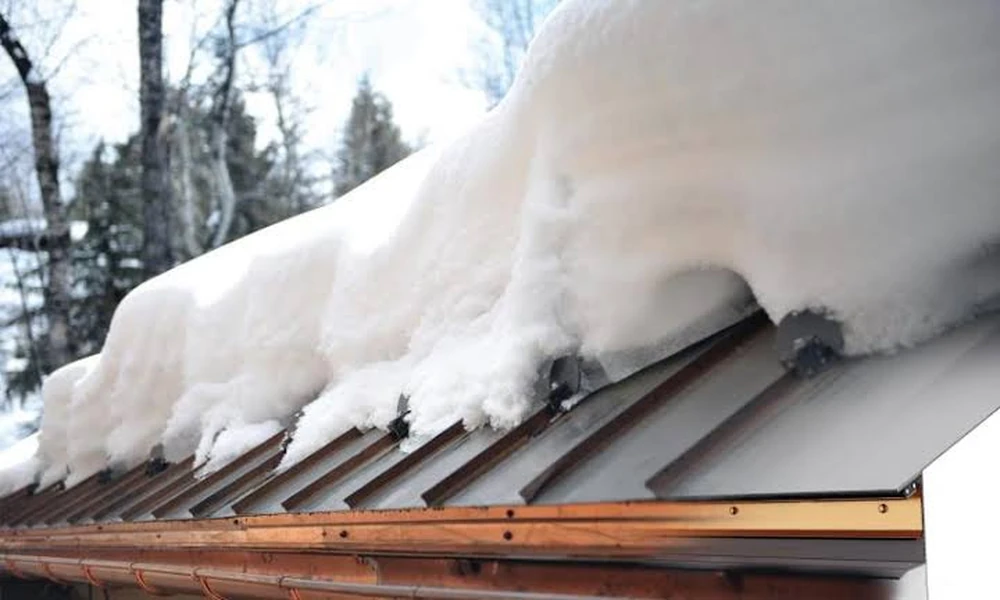
Snow and ice add weight and cause freeze and thaw cycles. Melting snow runs down to the cold eaves, refreezes and forms ice dams that push water under the roof covering.
Sun and UV dry out the oils in asphalt, fade finishes and make wood brittle. Thinner air at elevation lets more ultraviolet light reach the roof, so this kind of aging happens faster than at sea level.
A good roof for this climate handles all three, not just one.
Comparing the Main Materials
Asphalt Shingles
Asphalt is still the most common choice, and for good reason. It costs the least, nearly every roofer installs it, and modern architectural shingles look far better than the flat three-tab roofs of past decades.
The tradeoff is durability. Standard shingles take hail poorly and age faster under intense sun. Upgrading to a well-rated impact-resistant shingle narrows that gap. Some insurers also give discounts for impact-resistant roofs, which can help offset the higher price over time.
Metal Roofing
Metal has become popular across the Mountain West, especially on newer homes and barns. Standing seam panels shed snow quickly, shrug off UV and can last for decades. They also won’t catch fire from embers, which matters for homes near the foothills.
Hail is metal’s weak spot, at least cosmetically. Thinner panels can dent, even when they still keep water out. Heavier gauges and textured finishes hide dents better. Because snow slides off metal so easily, snow guards are usually needed above doorways, walkways and driveways.
Wood Shake
Cedar shakes look beautiful on older homes and cabins. They insulate well and age to a soft gray that many people love.
They also need the most care. Dry summers and strong sun make wood brittle, moss and rot can set in on shaded slopes, and untreated shakes add fire risk. Homeowners who choose wood should plan on regular maintenance and should ask about fire-retardant treatment.
Tile and Composite Options
Concrete and clay tile hold up to sun and fire very well, but they’re heavy. Many houses would need structural reinforcement before tile could go on. Synthetic slate and shake products made from polymers are a lighter middle ground. They copy the look of natural materials and often carry strong impact ratings.
What a Good Estimate Should Spell Out
Whatever material you lean toward, the quote shows how well the job will be done. A thorough estimate for a full replacement usually lists:
- Tear-off of all existing layers down to the deck
- Repair or replacement of damaged sheathing, with a per-sheet price
- Ice and water membrane along eaves, valleys and roof penetrations
- Synthetic underlayment across the rest of the deck
- New drip edge, step flashing and pipe boots
- Ventilation details for intake and exhaust
- Debris removal and a final nail sweep
If any of these are missing, ask why. Leaving out ice membrane or ventilation work can quietly shorten the life of even the best shingle or panel.
Ventilation Matters as Much as the Material
Homeowners often focus on what they can see from the street and overlook the attic. Yet poor ventilation causes many of the ice dam problems in snowy valleys. When warm air from the house collects under the roof deck, it melts snow from below, and that water refreezes at the cold eaves.
A balanced system pulls cool air in through the soffits and lets warm air out near the ridge. That keeps the roof deck closer to outdoor temperatures in winter and vents trapped heat in summer. It protects asphalt from cooking in July and stops the melt and refreeze cycle in January, which helps any material last longer.
Timing the Project Around the Seasons
Late spring and early fall are often the easiest times to replace a roof here. Asphalt shingles need warmth to seal properly, so a cold-weather install can leave them unsealed and open to wind until the next warm spell. Midsummer heat can make shingles soft and easy to scuff during installation.
Booking before the busy season also helps. After a big hailstorm, roofers fill their schedules fast, and homeowners who waited may be stuck with tarps while they wait their turn. Planning ahead lets you compare materials calmly instead of rushing a decision on a leaking roof.
There’s no single best roof, only the right one for your house, your budget and how long you plan to stay. Weigh how each material handles hail, snow and sun, and the choice gets much clearer.

Comments are closed.