
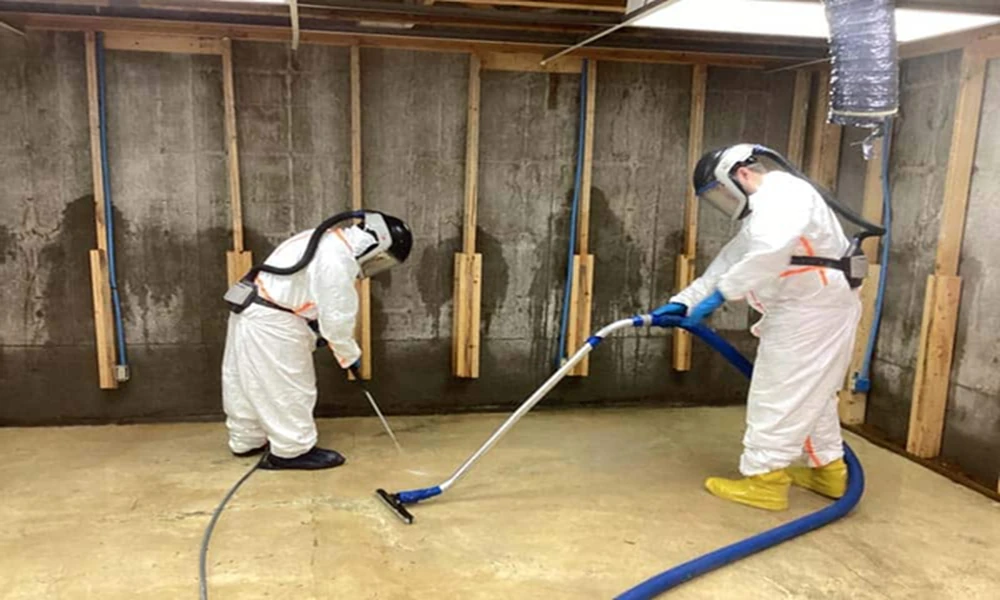
Flood damage can cause a disaster to your property. The presence of moisture beneath the surface is the biggest threat. Moisture may pass through your walls, insulation, and other structural parts. It results in hidden pockets of damage that can remain untreated for several weeks. Severe storms, burst pipes, and basement flooding are a few common causes of water damage. However, advanced techniques, such as moisture mapping, are implemented by professionals to restore your property.
Understand the moisture mapping process
Moisture mapping refers to the process of detecting and documenting moisture throughout the property. Unlike simple visual inspections, this process involves using specialized tools to find hidden traces of water. The goal of moisture mapping is to reveal
- The areas affected by the flood
- Potential structural risks
- Moisture concentration levels
- Hidden wet zones
The precision-based process allows professionals to make an informed decision on the recovery plan.
Why is traditional inspection ineffective?
Earlier, flood restoration professionals used to rely on surface-level moisture readings. Although these techniques detect visible damage, they do not identify hidden moisture inside drywall cavities and ceiling spaces. Over time, undetected moisture will damage your property. You may also notice signs of mold growth, insulation damage, and wood rot.
Technologies related to moisture mapping
Professionals with expertise in flood damage restoration Toronto use advanced tools for creating moisture maps accurately.
Thermal imaging system
Thermal imaging cameras identify temperature variations, a sign of trapped moisture. Water-affected materials retain heat, allowing professionals to find moisture behind walls.
Moisture meters
Many professionals use moisture meters to obtain precise moisture readings. Moisture trapped inside building materials will be easily detectable.
Hygrometers
Environmental monitoring systems measure air temperature, relative humidity, and dew point conditions.
These readings enable restoration specialists to understand drying conditions.
How does moisture mapping facilitate flood damage restoration?
The key advantage of moisture mapping is that it helps professionals identify the level of water damage. They do not rely on assumptions; rather determine where moisture exists.
Conclusion
Flood damage restoration involves moisture mapping and several other steps. The best professionals use this strategy to detect hidden moisture and apply the effective drying process.

Comments are closed.