
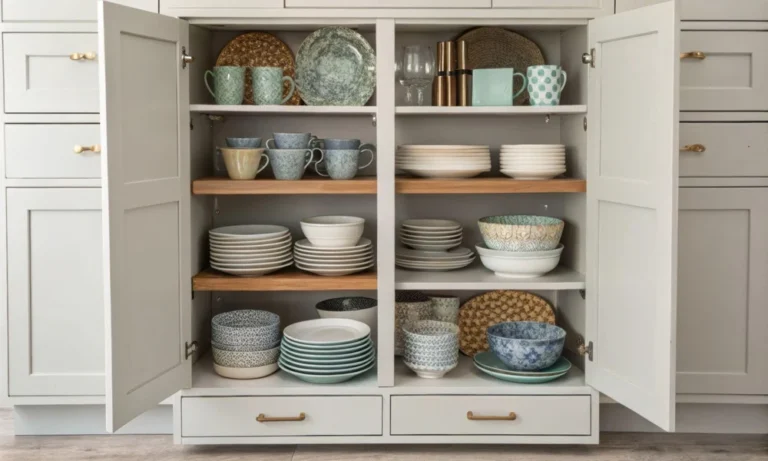
How easy a home is to keep tidy often depends less on how much storage it has and more on where things are kept. When daily essentials sit on top shelves and rarely used items take up the most reachable spots, simple tasks involve more bending, stretching and searching than necessary. Whether you are organising a kitchen, a study or a new storage cabinet in Singapore, where many homes have limited floor space, arranging items by height can make everyday access quicker and safer.
Mapping Your Reach From Floor to Ceiling
Most cabinets can be divided into a few height zones, each suited to different types of items. Thinking about storage in these zones helps you decide what belongs where:
- The overhead zone, above shoulder height, which is the hardest to reach.
- The eye-level zone, roughly between the shoulders and the eyes, where items are easy to see.
- The waist-level zone, between the hips and the chest, which is the easiest to reach without bending or stretching.
- The low zone, below the knees, which requires bending or crouching.
Matching items to these zones according to how often they are used and how heavy they are forms the basis of an efficient layout.
What to Store at Each Height
With the zones in mind, the next step is deciding which items belong in each one.
Overhead Shelves for Rarely Used Items
High shelves and top cabinets suit light items that are only needed occasionally, such as festive decorations, spare bedding, seasonal clothing or extra tableware for gatherings. Keeping heavy or fragile items out of this zone reduces the risk of injury when lifting them down. A sturdy step stool kept nearby makes these shelves safer to reach.
Eye-Level Shelves for Daily Essentials
The area at or just below eye level is ideal for items used every day. In the kitchen, this might include cups, plates, spices and cooking oils. In a living room or study, it could hold books, chargers and frequently used documents. If you are adding new units during a furniture sale in Singapore, look for cabinets with adjustable shelves so this zone can be set to suit the people using it most. Being able to see items at a glance saves time and reduces the urge to rummage.
Waist-Level Drawers and Shelves for Heavier Everyday Items
The space between hip and chest height is the easiest to access and suits frequently used items that are a little heavier. Pots, pans, small appliances, laundry supplies and tool kits are good examples. Deep drawers at this height make it easier to lift items out without straining the back. Keeping the most-used pan or appliance at the front also saves digging through the rest each time.
Low Cabinets for Bulky or Heavy Items
Lower cabinets work well for large, heavy or bulky items that are used less often, such as stockpots, cleaning equipment, bulk food supplies and storage boxes. Pull-out drawers or baskets can make the back of these cabinets easier to reach without kneeling for long.
Adjusting the Layout for Your Household
Every household is different, so the zones may need tweaking. Families with young children may want to keep cleaning products and sharp items out of low cabinets, using child locks or moving them higher. Older family members may benefit from having more items at waist level to reduce bending and climbing. Tall cabinets should also be secured to the wall to prevent tipping, especially when upper shelves are fully loaded.
Making Every Shelf Work Harder
Storing items according to how often they are used and how heavy they are makes cabinets easier to use every day. Keeping rarely used items up high, daily essentials at eye level, heavier everyday items at waist height and bulky items low helps create a home that feels more organised and accessible.
Visit TheFurniture to shop our storage cabinets online and organise every shelf in your home.