
Tag

Home Projects

Browsing

Homeowners must maintain asphalt driveways, walkways, and private roads, tackling cracks, potholes, and wear. Timely repairs and the right compaction equipment are vital for achieving smooth, durable, and long-lasting surfaces. Two popular options are mini road rollers and plate compactors. While both tools serve the same purpose—compressing asphalt for strength and stability—their designs, capabilities, and suitability for home projects differ.

Understanding the Basics

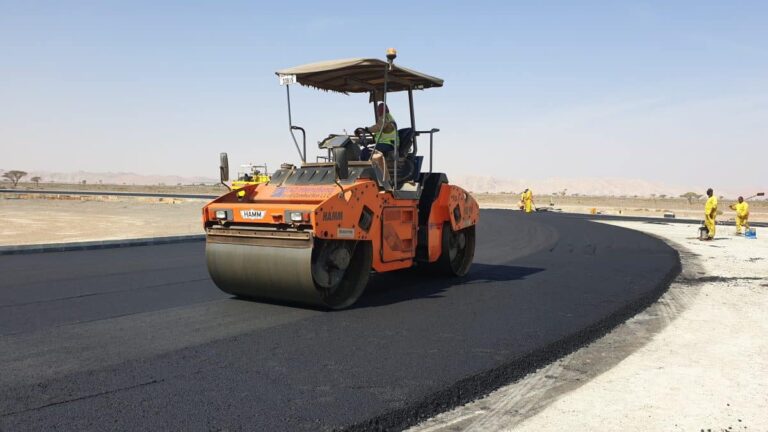
A mini road roller is a scaled-down version of the heavy rollers used in large road construction projects. It uses its weight combined with vibration to compact asphalt and other base materials. Mini rollers can be either walk-behind or ride-on, depending on the model.

A plate compactor uses a vibrating steel plate to quickly compress and stabilize surface materials. Plate compactors are smaller, lighter, and generally easier to maneuver than rollers, making them a common choice for small-scale paving and landscaping tasks.

Advantages of Mini Road Rollers

Superior Compaction Depth
Mini road rollers offer deeper and more uniform compaction compared to plate compactors. This makes them especially effective for thicker asphalt layers or larger driveway patches.

Smoother Finish
The drum of a roller glides across asphalt, producing a sleek, professional-looking surface. This finish is harder to achieve with the vibrating action of a plate compactor.


Efficiency on Larger Areas
For homeowners repairing longer driveways or multiple sections, mini road rollers cover more ground quickly, reducing the number of passes required.

Durability of Repairs
Because of their greater compaction force, rollers often result in stronger, longer-lasting asphalt repairs.

Advantages of Plate Compactors

Affordability
Plate compactors are less expensive to purchase or rent, making them accessible for homeowners who only need equipment occasionally.

Maneuverability
Their compact size and lighter weight make plate compactors easier to handle, especially in tight spaces like corners, edges, or around obstacles.

Versatility
In addition to asphalt, plate compactors are effective for compacting soil, gravel, and sand, which are common in landscaping projects.

Availability
Widely rented machines, many built specifically for beginner use.

Limitations to Consider

  • Mini road rollers are heavier, harder to transport, and may require a trailer for delivery. Their rental cost is usually higher than that of plate compactors.
  • Plate compactors can struggle with thicker asphalt layers, requiring more passes and still leaving the repair less durable compared to roller-compacted surfaces.

Which Tool Is Better for Home Asphalt Repairs?

The decision depends largely on the scale and type of project:

  • Choose a mini road roller if you are resurfacing a long driveway, working with thicker asphalt layers, or seeking a professional-grade finish. The roller’s compaction depth and smooth results justify the extra rental cost for larger jobs.
  • Choose a plate compactor if your project is smaller in scope, such as patching potholes, repairing narrow walkways, or compacting areas where maneuverability is essential. A plate compactor is more practical and affordable for these situations.

Renting vs. Buying

For homeowners, renting is usually the smarter choice, as both machines are specialized and not frequently used. Rental outlets provide daily or weekly rates that keep costs reasonable. Contractors or professionals who handle asphalt repairs regularly may consider purchasing, and working directly with a plate compactor manufacturer can ensure access to durable, reliable equipment.

Practical Tips for Home Asphalt Repair

  • Preparation Matters – Always clean the damaged area, remove debris, and ensure a solid base before laying asphalt.
  • Use Proper Materials – Choose the correct type of hot or cold asphalt mix suited for your climate and repair size.
  • Compact in Layers – For deeper repairs, apply asphalt in thinner layers and compact each one to maximize strength.
  • Inspect the Finish – After compaction, check the surface for evenness and fill in any low spots before the asphalt cools.

Both mini road rollers and plate compactors have their place in home asphalt repair. For larger areas requiring a durable, smooth finish, the mini road roller stands out. For smaller, more budget-conscious projects, the plate compactor is often sufficient. Understanding the strengths and limitations of each machine ensures homeowners can make informed decisions, leading to cost-effective and long-lasting results.
 

Sheet metal fabrication offers versatile solutions for a range of outdoor home projects. From fencing and garden decor to patio furniture and outdoor kitchens, sheet metal is a top choice for homeowners seeking a blend of aesthetics, longevity, and functionality. With various metals and finishes available, fabricated sheet metal can be customized to fit almost any design vision and withstand the challenges of the outdoors.

Let’s explore some exciting ways sheet metal can elevate your outdoor spaces.

1. Fencing: Secure and Stylish Boundaries

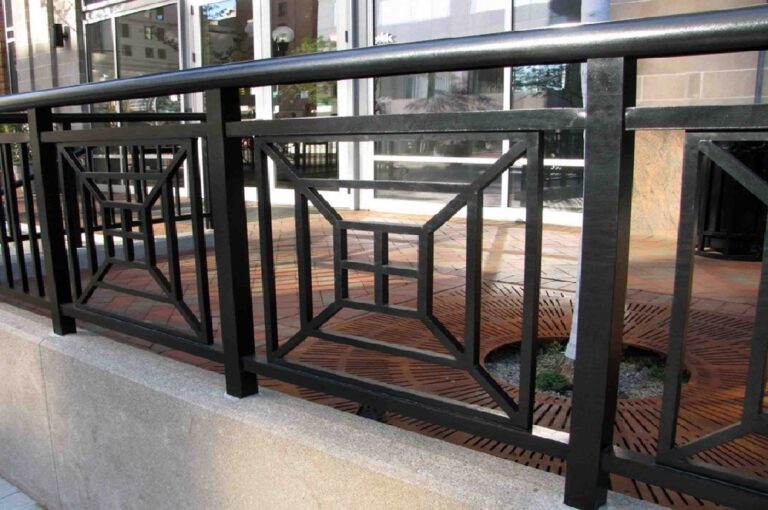
Sheet metal fencing is an excellent choice for homeowners who want a balance of security, style, and durability. Fabricated from sturdy materials like aluminum, galvanized steel, or stainless steel, metal fences resist corrosion and maintain their appearance over time with minimal maintenance.

Options range from perforated panels that allow light and air flow to solid sheets that offer complete privacy. Additionally, custom designs can be laser-cut into the metal, creating unique patterns that add a touch of personality to your property.

Advantages:

  • Durability: Sheet metal fences withstand harsh weather and wear.
  • Customization: Options for different colors, textures, and designs.
  • Security: Solid metal fences add a layer of security to homes.

2. Garden Decor: Adding Artistic Flourishes

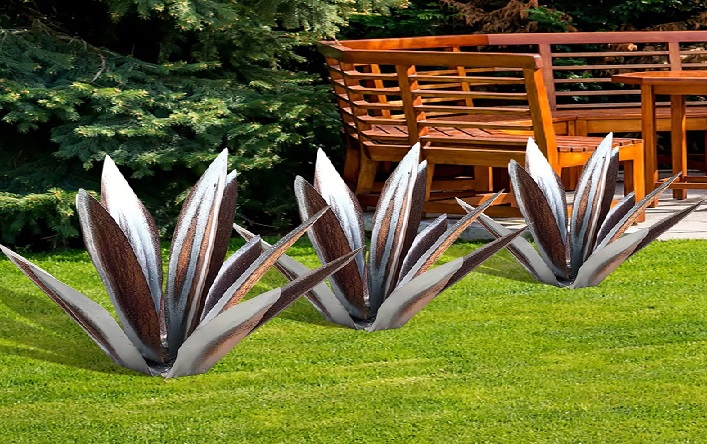
From trellises and arbors to statues and plant holders, sheet metal can be transformed into intricate designs to create an artistic focal point in gardens. Weather-resistant metals like stainless steel and aluminum are ideal for these applications, offering a balance of weight, strength, and longevity. Laser metal cutting allows for intricate designs, enabling homeowners to achieve unique, personalized pieces that blend with natural landscapes.

Advantages:

  • Weather Resistance: Metals like stainless steel resist rust, making them ideal for outdoor decor.
  • Customizable Designs: Intricate cut-outs and patterns can be achieved with modern fabrication techniques.
  • Longevity: Metal garden decor is durable and retains its aesthetic appeal over years.

Outdoor Home

3. Patio Furniture: Modern, Minimal, and Durable

Fabricated sheet metal patio furniture is known for its clean lines, modern aesthetic, and remarkable durability. Aluminum and stainless steel are popular choices for outdoor furniture because they’re lightweight, corrosion-resistant, and easy to maintain.

Sheet metal can be formed into chairs, tables, benches, and even lounge seating. Homeowners can also incorporate various finishes and powder coatings for additional protection and style, creating furniture that complements any outdoor setup.

Advantages:

  • Durability: Metal furniture can withstand the elements and requires little upkeep.
  • Lightweight: Aluminum furniture is easy to move and rearrange.
  • Design Versatility: Metal allows for a wide range of modern and traditional styles.

4. Outdoor Kitchens: Functional and Stylish Cooking Spaces

Outdoor kitchens crafted from sheet metal bring sophistication and durability to backyards. Stainless steel is particularly popular in outdoor kitchens for its corrosion resistance, ease of cleaning, and modern aesthetic. Fabricated metal can be used to create countertops, cabinets, and enclosures for grills and other appliances.

For those who want a more rustic look, metal panels can also be treated with weathering techniques to develop a patina, adding character to the outdoor kitchen setup.

Advantages:

  • Heat and Weather Resistance: Stainless steel withstands heat, moisture, and sunlight.
  • Easy Maintenance: Metal surfaces are easy to clean and maintain, ideal for cooking areas.
  • Custom Fit: Fabrication allows for custom countertops, cabinets, and fixtures.

Types of Metal for Outdoor Applications

Choosing the right metal for your outdoor project is essential for durability and aesthetics. Here are some commonly used metals for outdoor applications:

  • Aluminum: Lightweight, rust-resistant, and ideal for furniture and garden decor.
  • Stainless Steel: Strong, rust-proof, and suitable for kitchens, fences, and patio furniture.
  • Corten Steel: Develops a natural rust patina that protects it from further corrosion, often used in decor and fencing.
  • Galvanized Steel: Zinc-coated for rust resistance, making it a good choice for outdoor structural elements.

Finishing Techniques for Enhanced Durability and Aesthetics

Sheet metal can be finished in a variety of ways to increase its resistance to outdoor elements and enhance its appearance. Common finishing techniques include:

  • Powder Coating: Adds a durable and attractive finish that is resistant to rust, scratches, and fading.
  • Anodizing: Common for aluminum, anodizing provides a protective layer against corrosion and can be colored for aesthetic purposes.
  • Painting: Weather-resistant paints offer endless color choices and additional protection from the elements.
  • Weathering (Patina): Intentionally exposing certain metals, like Corten steel, to weather conditions to develop a protective patina over time.