
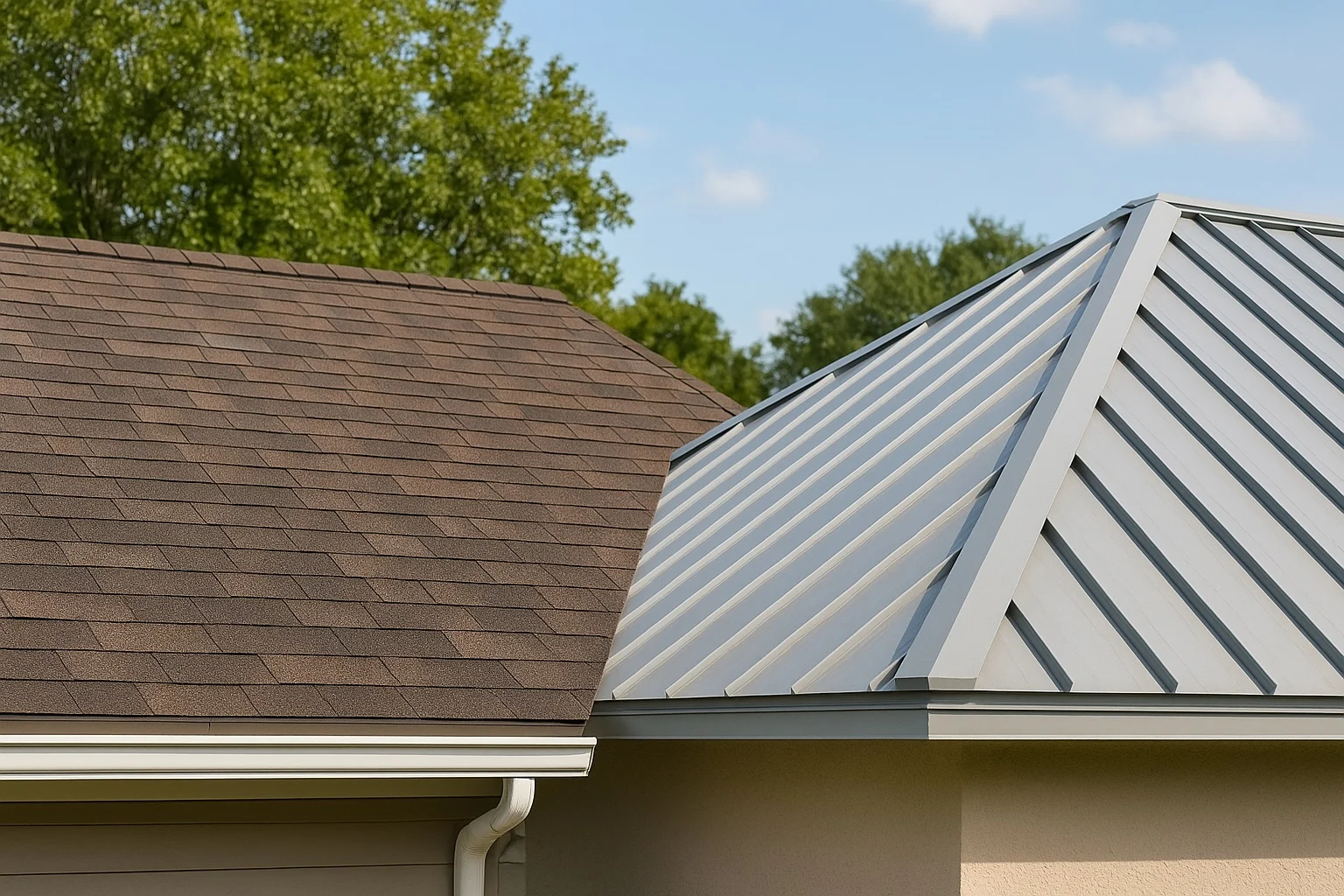
When it comes to selecting a roofing material, homeowners often ask, is metal roofing better than shingles? Both options have distinct advantages, but understanding their energy efficiency and maintenance requirements is critical to making an informed decision. A roof is more than a protective barrier—it influences energy costs, long-term upkeep, and overall home performance. Exploring the differences between metal roofing and shingles helps homeowners choose a solution that balances durability, comfort, and cost.
Metal roofing has grown in popularity due to its long lifespan and reflective properties, which can significantly reduce heat absorption. Shingles, while familiar and widely available, perform differently in terms of insulation, maintenance, and overall efficiency. By examining how each roofing type handles temperature control, energy savings, and maintenance demands, homeowners can better answer the question, is metal roofing better than shingles?
Energy Efficiency: Reflectivity and Insulation
One of the main advantages of metal roofing over shingles is energy efficiency. Metal roofs are highly reflective, meaning they reflect a larger portion of the sun’s rays compared to asphalt shingles. This reflective property helps maintain cooler indoor temperatures during hot weather, reducing the need for air conditioning and lowering energy bills. Some metal roofs come with special coatings that further enhance reflectivity and energy savings, making them an excellent choice in sunny climates or areas prone to high temperatures.
Shingles, by contrast, absorb more heat, which can raise the temperature inside the home. While some asphalt shingles are labeled as “cool roof” products, they generally do not match the reflectivity and efficiency of metal roofing. Additionally, insulation plays a role in energy performance. Both metal roofing and shingles benefit from proper insulation beneath the roof deck, but metal roofs, with their reflective surface, provide an added layer of passive cooling that can translate into noticeable savings over time.
Energy efficiency is not just about cooling. In colder climates, metal roofing can also contribute to better snow and ice management. Its smooth surface allows snow to slide off more easily, reducing the risk of ice dams and potential heat loss caused by uneven snow accumulation. Shingles, with their textured surface, tend to retain snow longer, which may slightly impact energy efficiency in winter months.
Maintenance Considerations and Longevity
Maintenance is a significant factor when comparing metal roofing and shingles. Metal roofs are known for their low maintenance requirements. They resist cracking, warping, and rot, and their smooth surface minimizes debris accumulation. Periodic inspections and minor touch-ups are generally sufficient to keep a metal roof in excellent condition for decades. Many metal roofing systems can last 40–70 years, making them a long-term investment with minimal upkeep.
Asphalt shingles, while initially more affordable, require more frequent attention. High winds, hail, and UV exposure can cause shingles to curl, crack, or lose granules. Regular inspections, cleaning, and timely repairs are necessary to maintain performance and prevent leaks. Shingle roofs typically last 15–30 years, depending on quality, climate, and maintenance frequency. Over time, the cumulative cost of repairs and replacements may approach or even exceed the investment in a metal roof.
In addition to physical maintenance, metal roofs are less prone to issues such as moss, algae, and mold growth, which can affect shingles, particularly in damp or shaded areas. This resistance contributes to lower maintenance costs and ensures that the roof continues to perform efficiently throughout its lifespan. Shingles, on the other hand, may require chemical treatments or cleaning to address these problems, adding to both cost and effort.
Cost, Sustainability, and Long-Term Benefits
While the upfront cost of metal roofing is higher than asphalt shingles, the long-term benefits often justify the investment. Metal roofs reduce energy costs, require less frequent maintenance, and last significantly longer, offering a lower total cost of ownership over several decades. Additionally, many metal roofs are made from recycled materials and are fully recyclable at the end of their life, making them an environmentally sustainable choice.
Shingles are generally more budget-friendly initially and are widely accessible. They provide adequate protection and aesthetics but require more frequent replacements and maintenance. They are less environmentally friendly due to limited recycling options and shorter lifespans. Homeowners prioritizing eco-conscious choices and long-term savings may find metal roofing to be the superior option when asking, is metal roofing better than shingles?
In the comparison of metal roofing vs. shingles, energy efficiency and maintenance are key differentiators. Metal roofing provides superior reflectivity, improved temperature regulation, and minimal upkeep, making it a strong long-term solution for homeowners seeking durability and savings. Shingles offer familiarity, initial affordability, and a classic appearance but require more regular attention and do not match the energy efficiency of metal. Evaluating these factors based on climate, budget, and long-term goals can help homeowners make a decision that balances performance, comfort, and value.
Homeowners wondering, is metal roofing better than shingles? will often conclude that while shingles remain a viable option for budget-conscious projects, metal roofing excels in longevity, energy efficiency, and low maintenance, providing both financial and practical advantages over time.

Comments are closed.