
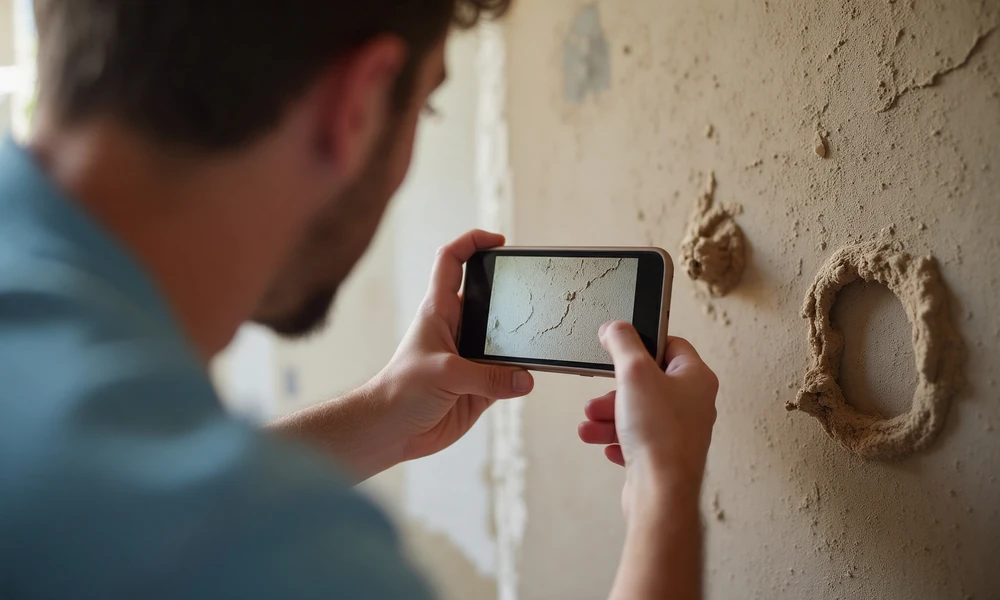
Once termites are suspected, the natural reaction is to call for treatment as quickly as possible. Taking a little time to record what you have seen, however, can make a real difference to how accurately the problem is assessed and how the treatment is planned. Notes and photos of the signs of termite infestation, along with details about the property and its history, help a technician understand the extent of the activity and give you a record to compare against after the work is done.
Visible Evidence and Where It Was Found
The most useful starting point is a clear record of what you have noticed and exactly where. For each sighting, it helps to note details like these:
- Mud tubes on walls, foundations, door frames or skirting boards.
- Discarded wings near windows, doors or light fittings, often left after a swarm.
- Hollow-sounding or soft timber, including door frames and cabinet bases.
- Small piles of droppings that look like fine sawdust or sand.
- Blistered paint, bubbling wallpaper or warped flooring.
- Damaged books, cardboard boxes or stored paper in cupboards.
- The room, wall and height at which each sign was found.
Photos, Videos and Dates
Visual records help show how activity changes over time and support any later warranty or insurance discussions. When recording evidence, consider capturing details such as these:
- Close-up photos of each sign, with a coin or ruler for scale.
- Wider shots showing where the damage sits within the room.
- Short videos of live termites or swarming activity, if seen.
- The date and time of each sighting, and whether activity was ongoing or one-off.
- Any termites collected in a sealed bag or container for identification.
- Notes on changes seen over several days, such as mud tubes being rebuilt.
Property Details and Construction
The way a building is constructed affects how termites enter and which methods are suitable for termite control. That said, before an inspection, it is worth gathering information like this:
- The age of the property and the main building materials used.
- Any renovations, extensions or new timber fittings installed in recent years.
- Areas where timber is in contact with soil, such as planters or decking.
- Locations of built-in wardrobes, false ceilings and cabinetry that may hide damage.
- Floor plans or sketches marking where signs were found.
- Whether the property is landed, a condominium or an HDB flat, as access and rules may differ.
Previous Treatments and Inspections
A property’s history can explain why termites have returned or which areas need extra attention. If available, collect records such as these:
- Dates and types of earlier termite treatments, such as soil barriers or baiting systems.
- Reports from previous inspections, including any areas flagged as high risk.
- Warranty documents and their expiry dates.
- Records of termite activity found by previous owners or tenants.
- Names of the companies that carried out past work.
Moisture and Maintenance Issues
Termites are drawn to damp conditions, so moisture problems often sit close to active infestations. It helps to note issues like these:
- Leaking pipes, air-conditioner drainage or roof leaks.
- Areas with poor ventilation, such as bathrooms or storerooms.
- Water stains, mould or persistent damp patches on walls or ceilings.
- Garden beds, mulch or stored timber placed against external walls.
- Recent flooding or water damage, even if it has since dried.
Records That Support the Work Ahead
Documenting visible evidence, dates, property details, past treatments and moisture issues gives technicians a clearer picture before any work begins. It also allows you to compare results after treatment and to raise concerns quickly if activity returns. Keeping these records together in one place can make the process smoother for both property owners and pest professionals. Sharing them at the first appointment can also save repeated questions and site visits.
Spotted mud tubes or hollow-sounding timber? Reach out to Rentokil to arrange a termite inspection.

Comments are closed.