
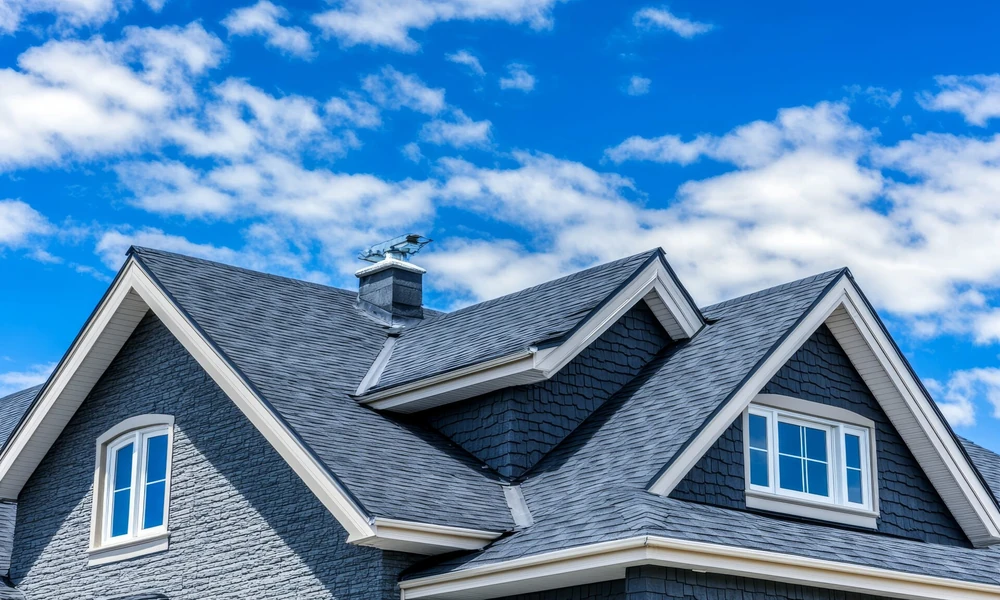
Roof replacement costs involve considerably more than the price of shingles. Labor, roof geometry, removal of existing materials, ventilation improvements, flashing, and structural repairs all contribute to the final estimate. In Central Kansas, frequent severe weather adds another consideration: a roof must withstand hail exposure, strong winds, and temperature changes without allowing moisture into the home. Understanding these expenses helps homeowners compare quotes accurately and avoid choosing a lower price that excludes necessary work.
Based in Great Bend, Hays, and Larned, Watkins Roofing and Construction specializes in residential roofing and gutters, with roofing projects completed throughout Kansas. Owner Matt Watkins works directly with customers, and the company offers roof inspections, estimates, and assistance with insurance companies. It also coordinates with trusted contractors for siding, windows, and doors rather than presenting those trades as its own direct specialties. Homeowners considering roofing work can request an inspection and discuss the scope of their project before making a financial commitment.
Roofing Materials Determine Only Part of the Price
Shingle selection: Asphalt shingles remain common on Kansas homes because they offer several performance and pricing options. Basic products generally have lower initial costs, while architectural shingles provide additional thickness, dimensional appearance, and potentially improved wind performance.
Impact resistance: Hail exposure makes impact-resistant roofing worth evaluating. Products marketed as Class 4 have passed a specified impact test, but that classification does not mean they are hailproof. Research from the Insurance Institute for Business & Home Safety shows that shingles can differ substantially in how they withstand impacts.
Material quality: Underlayment, starter strips, ridge caps, and fastening systems also contribute to cost. Comparing only the main shingle brand overlooks components that affect water resistance and manufacturer installation requirements.
Roof Size and Shape Change Labor Expenses
Measured area: Roofing estimates generally use squares, with one square representing 100 square feet of roof surface. This is different from the home’s interior floor area because slopes, overhangs, and additional roof sections increase coverage.
Roof complexity: A simple gable roof typically requires less cutting and detailing than one with multiple valleys, dormers, chimneys, and intersecting slopes. Each transition creates additional installation work and potential water entry points.
Access conditions: Steep slopes, limited driveway access, landscaping obstacles, and the need for specialized safety equipment increase labor requirements.
The following table illustrates how different components contribute to a hypothetical $15,000 residential replacement. These figures are examples of budget allocation, not verified Central Kansas market prices or a contractor quote.
| Cost component | Illustrative amount | Share of budget |
|---|---|---|
| Shingles and roofing accessories | $5,100 | 34% |
| Installation labor | $4,350 | 29% |
| Tear-off and disposal | $1,800 | 12% |
| Underlayment, flashing and ventilation | $1,950 | 13% |
| Permits and site-related expenses | $450 | 3% |
| Contingency for additional work | $1,350 | 9% |
| Total | $15,000 | 100% |
An unusually inexpensive estimate may omit components rather than reflect genuine savings. Reviewing the written scope provides a more meaningful comparison than examining the total alone.
Removal and Hidden Damage Affect the Final Bill
Existing layers: Removing old shingles requires additional labor, disposal capacity, and site protection. Multiple existing layers increase the quantity of waste and can complicate an otherwise straightforward replacement.
Decking repairs: Once roofing materials are removed, previously concealed problems may become visible. Water-damaged plywood, weakened sheathing, and deteriorated fasteners may need attention before new materials are installed.
Change orders: A well-written contract should establish how concealed damage will be documented, priced, and approved. Homeowners should ask whether decking replacement is charged per sheet and whether any repair allowance is already included.
Disposal: Dumpster placement, transportation, landfill charges, and magnetic nail cleanup can affect project expenses. These services should be clearly identified in the estimate.
Storm Protection Adds Costs That Deserve Attention
Wind resistance: Kansas thunderstorms can produce damaging gusts that expose weaknesses around roof edges, ridges, and poorly fastened shingles. Correct fastening patterns and manufacturer-approved installation methods are essential.
Water management: Flashing around roof penetrations, valleys, walls, and chimneys directs water away from vulnerable joints. Saving money by reusing deteriorated flashing can undermine the value of a new roof.
Ventilation balance: Intake and exhaust ventilation help manage heat and moisture in the attic. Adding vents without evaluating airflow can produce disappointing results, particularly where insulation blocks soffit openings.
Hail performance: Laboratory testing summarized by the Insurance Institute for Business & Home Safety connects more severe shingle damage with greater water leakage potential. This makes performance characteristics relevant when comparing material upgrades, although no roofing product can eliminate every storm risk.
Permits and Contractor Requirements Influence the Budget
Local approvals: Kansas roofing permits and adopted construction codes are administered locally. Requirements can differ between Great Bend, Hays, Larned, and surrounding counties. Homeowners should confirm the applicable permit, inspection, and reroofing requirements with the authority having jurisdiction before work begins.
Code compliance: Existing roof layers, damaged decking, flashing details, ventilation, and installation methods may affect what can legally remain or must be upgraded during replacement.
Contractor registration: Kansas generally requires roofing contractors working for compensation to maintain registration with the Attorney General unless a statutory exemption applies. Homeowners can consult the state’s roofing contractor registration directory to verify current status.
Registration and permit approval serve different purposes. Registration concerns the contractor’s authorization to provide roofing services, while permits and inspections address applicable construction requirements.
Insurance and Financing Affect Out-of-Pocket Costs
Storm claims: Insurance may cover qualifying sudden damage, but payment depends on policy language, documented conditions, exclusions, deductibles, and the insurer’s determination. Ordinary deterioration is generally treated differently from a covered storm event.
Deductibles: Homeowners should distinguish between a fixed-dollar deductible and a percentage-based wind or hail deductible. Percentage deductibles can create substantial out-of-pocket expenses.
Depreciation: Replacement cost policies may initially withhold recoverable depreciation until qualifying repairs are completed and documented. Actual cash value policies can produce a different settlement.
Optional upgrades: Choosing stronger shingles, improved ventilation, or other enhancements may increase the homeowner’s contribution when those improvements exceed the insurer’s approved scope.
A Complete Estimate Makes the Cost Easier to Control
The lowest roofing quote is not necessarily the least expensive outcome. Missing flashing, vague repair allowances, inappropriate materials, and inadequate ventilation can produce additional costs after installation.
Homeowners should look for written descriptions of roofing materials, underlayment, tear-off, disposal, flashing, ventilation, decking replacement rates, permit responsibilities, payment milestones, and warranty terms.
A roof replacement budget becomes more reliable when it separates known expenses from possible repairs and optional upgrades. For Central Kansas properties, comparing weather resistance, installation details, and the complete scope of work provides a stronger foundation for protecting both the home and the renovation budget.

Comments are closed.