
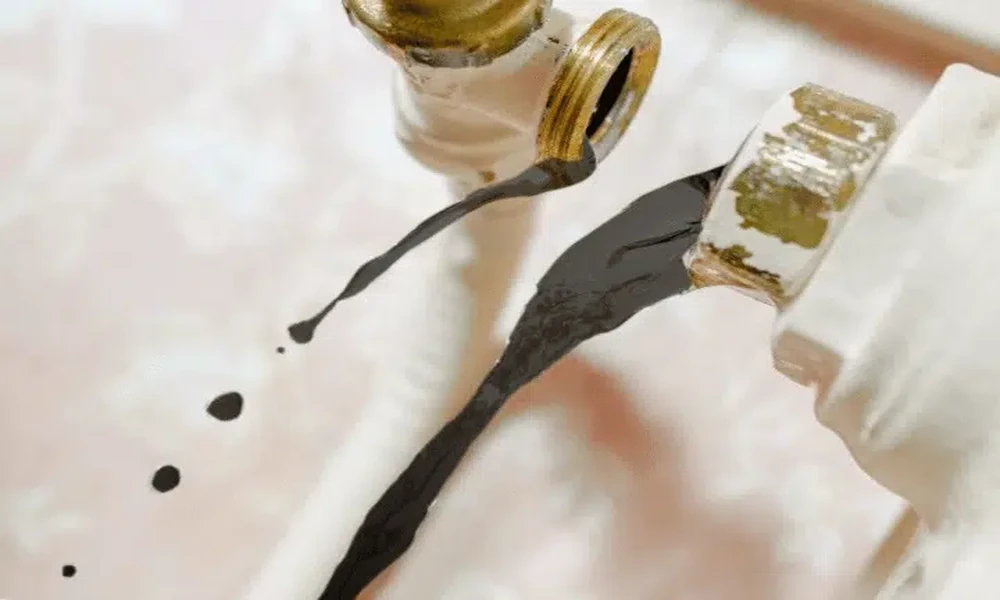
Every central heating system builds up some sludge over time, and it’s a natural byproduct of steel, water, and oxygen interacting inside pipework and radiators. Left unchecked, that sludge gradually restricts flow, damages components, and forces the boiler to work harder than it should. When cleaning and maintenance alone can’t shift it, a power flush central heating service is usually the most effective way to clear years of build-up in a single visit.
This guide explains exactly how sludge forms, the warning signs it produces, and what actually happens once a system is properly cleaned.
Sludge in a central heating system forms when steel radiators and pipework corrode over time, creating a dark, thick mixture called magnetite that settles inside the system. It builds up gradually through normal use and worsens without a magnetic filter or periodic flushing. Left untreated, it causes cold radiators, noisy pipework, and unnecessary strain on the boiler.
What Actually Causes Sludge to Form?
Central heating systems are sealed, but that doesn’t mean they’re free from chemical reaction. Steel radiators slowly corrode when exposed to water and trace amounts of oxygen, producing tiny particles of black iron oxide known as magnetite.
Over years, these particles accumulate rather than dissolving away. They settle in the lowest points of the system, typically the bottom of radiators and around the pump, forming the thick, dark sludge that engineers refer to simply as heating system sludge.
The Science Behind Magnetite Formation
Understanding the chemistry helps explain why sludge is essentially unavoidable, even in well-maintained systems.
Water inside a sealed heating system reacts slowly with the internal steel surfaces of radiators and pipework. This reaction produces magnetite, a fine, dark, magnetic particle that gives sludge its distinctive colour and texture. A small amount forms in every system, but the rate accelerates when oxygen enters through minor leaks, frequent bleeding, or a poorly maintained inhibitor level.
How Sludge Affects Heating Efficiency Improvements
Sludge doesn’t just sit passively inside a radiator. It actively insulates parts of the metal from the hot water flowing through it, meaning the radiator can’t transfer heat into the room as effectively.
Heating efficiency improvements almost always follow once sludge is cleared, since the boiler no longer needs to run longer or hotter to compensate for radiators that aren’t performing properly. Even a moderate build-up can noticeably affect how quickly rooms heat up and how consistent the temperature feels throughout the home.
Noisy Radiators Causes Linked to Sludge
Unusual sounds from radiators or the boiler are often one of the first warning signs homeowners notice, well before cold spots become obvious.
Noisy radiators frequently trace back to sludge and limescale restricting water flow, causing localised overheating inside the heat exchanger. This produces a distinctive kettling or rumbling sound, similar to a kettle coming to the boil, as trapped water heats unevenly around debris inside the system.
Blocked Heating Pipes: What Happens Over Time
As sludge accumulates, it doesn’t stay confined to radiators. Pipework, particularly narrower sections and bends, can gradually narrow as debris settles and builds along the internal walls.
Blocked heating pipes reduce overall system flow, forcing the pump to work harder to circulate water. Over time, this added strain shortens pump lifespan and can contribute to further breakdowns, since components throughout the system are working outside their intended conditions.
Recognising the Warning Signs
A handful of clear symptoms point toward sludge as the underlying cause rather than a boiler fault.
- Radiators cold at the bottom while warm at the top
- Water running black or dark when bleeding a radiator
- Longer heating times for rooms to reach temperature
- Frequent pump failures or unexplained boiler breakdowns
- Kettling or rumbling noises during heating cycles
Radiator Sludge Removal: How It’s Actually Done
Removing existing sludge properly requires more than a simple drain and refill, since sludge settles deeply within pipework as well as radiators.
Radiator sludge removal on a full system scale typically involves a professional power flush, using a high-velocity pump and specialist chemicals to break down and clear debris throughout the entire heating system, not just individual radiators. For smaller, isolated cases, a single radiator can sometimes be removed and flushed separately, though this won’t address sludge elsewhere in the system.
Heating System Cleaning: Prevention After the Flush
Clearing sludge is only half the job. Preventing it from rebuilding is just as important for long-term performance.
Heating system cleaning after a flush typically includes adding a chemical inhibitor to slow future corrosion and fitting a magnetic filter to continuously capture new debris before it settles. Together, these two steps significantly extend the time before another full flush becomes necessary.
Comparing Sludge Symptoms and Solutions
| Symptom | Underlying Cause | Recommended Fix |
|---|---|---|
| Cold radiator bottoms | Settled sludge | Power flush |
| Kettling noises | Localised overheating from debris | Power flush and inhibitor |
| Frequent pump failures | Sludge straining the pump | Flush plus magnetic filter |
| Slow heat-up times | Reduced flow from blockages | Power flush |
| Recurring minor sludge | Ongoing corrosion | Magnetic filter maintenance |
When Is a Power Flush the Right Solution?
A full power flush makes the most sense once symptoms are already noticeable, or when installing a new boiler onto an older system, since manufacturer warranties often require proof of a clean system beforehand.
For systems showing only mild symptoms, a chemical flush without the specialist machine may be sufficient, and a qualified engineer can assess which approach suits your specific situation after inspecting the system.
Frequently Asked Questions
What is sludge in a central heating system made of?
It’s primarily magnetite, a dark iron oxide produced when steel radiators and pipework corrode gradually over years of normal use.
Can sludge damage my boiler?
Yes. It can restrict flow, strain the pump, and cause overheating in localised areas, all of which increase wear on boiler components over time.
How do I know if my radiators have sludge?
Cold spots at the bottom of radiators, black water when bleeding, and kettling noises are the clearest signs of sludge build-up.
Does a magnetic filter stop sludge from forming?
It captures new debris continuously, but it won’t remove sludge that has already built up. A flush and filter combination works best together.
How often should a central heating system be flushed?
Most systems benefit from a power flush every 8 to 10 years, though systems without a magnetic filter may need it sooner.
Is a power flush safe for old radiators?
Usually, though, a flush can occasionally expose an existing weak spot that sludge was previously masking, which a good engineer checks for beforehand.
Keeping Your Heating System Clear
Sludge build-up is a normal part of how central heating systems age, but left unmanaged, it gradually reduces comfort and puts unnecessary strain on your boiler. Recognising the early signs and addressing them properly protects both efficiency and the lifespan of your system.
0800 Homefix provides Gas Safe registered heating support across London and the South East, including thorough power flushing and magnetic filter installation, backed by a 24/7 emergency response and no call-out fee.

Comments are closed.