
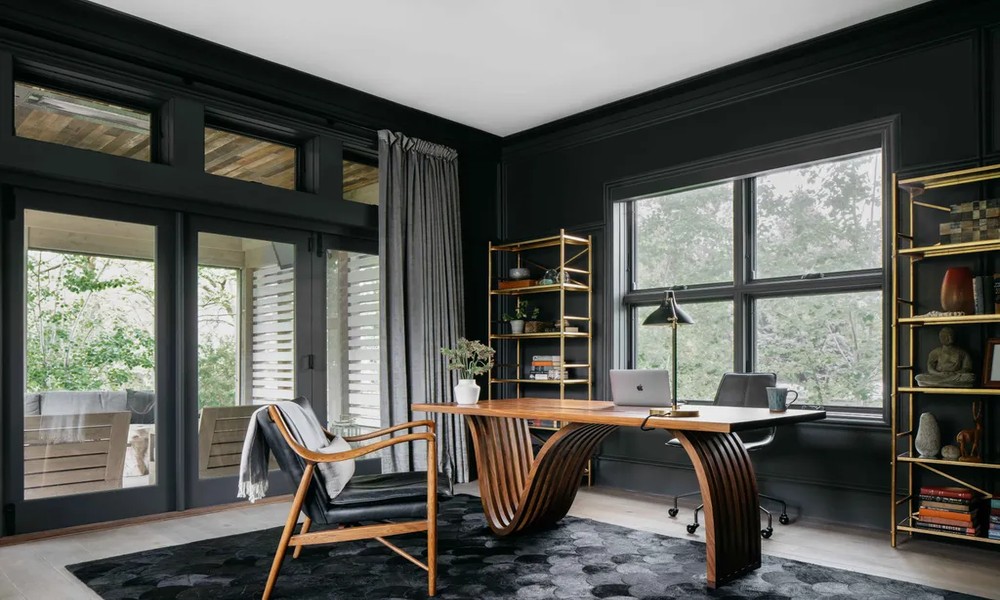
Not all offices feel the same.
Some spaces make people feel focused, comfortable, and even a bit more motivated to get through the day. Others do the opposite. People count the hours, feel drained, and leave the moment they can.
The interesting part is this: it’s not always about salary, workload, or even company culture.
In many cases, it comes down to the physical workspace itself.
In Kuala Lumpur, where office spaces range from modern high-rises to older commercial buildings, interior design plays a bigger role than most companies realise.
Here’s why some offices make employees want to stay, and others quietly push them out the door.
1. Good offices feel easy to exist in, bad ones feel mentally heavy
The best offices don’t feel “designed” in an obvious way. They just feel easy.
You walk in and immediately know where things are, where to sit, and how to move around without thinking too much.
In contrast, poorly designed offices often feel mentally noisy:
- Tight walkways
- Confusing layouts
- Overcrowded desks
- Poor spatial flow
Even before work starts, employees already feel slightly drained.
That small difference adds up over time. A space that feels easy to exist in helps people settle into work faster, while a chaotic layout quietly adds stress to the day.
2. Layout shapes how people interact (or avoid each other).
Office layout isn’t just about furniture placement. It directly affects communication.
In better-designed offices:
- Teams naturally cross paths
- Collaboration feels easy and unforced
- There are clear spaces for discussion and focus
In poorly designed ones:
- People feel isolated even when sitting near each other
- Meetings become the only time communication happens
- Informal collaboration disappears
In many workplaces across Kuala Lumpur, this is the difference between a team that feels connected and one that feels disconnected, even if they work on the same floor.
3. Comfort directly affects how long people can focus.
Comfort doesn’t mean luxury. It means not being distracted by discomfort.
Things like:
- Uncomfortable chairs
- Poor lighting
- Bad air circulation
- Excessive noise
…slowly wear people down.
On the other hand, a comfortable environment helps employees stay focused longer without feeling mentally exhausted.
This is why well-designed offices often feel “easier” to work in, even if the tasks themselves are demanding. The space isn’t fighting against the person using it.
4. Lighting changes energy levels more than people realise.
Lighting is one of those silent factors that affects mood and productivity.
Harsh lighting can make people feel tense or tired. Dim lighting can make them feel sluggish. Balanced lighting helps maintain focus without strain.
In better office designs, lighting is layered:
- Bright lighting for work zones
- Softer lighting for breakout or relaxation areas
- Natural light where possible
In offices across Kuala Lumpur, this difference is often noticeable in how long employees stay focused before feeling fatigued.
5. Lack of quiet zones kills productivity.
Open-plan offices were supposed to improve collaboration. In reality, they often introduced a new problem: constant noise.
Without proper quiet zones, employees struggle to:
- Focus on deep work
- Take calls without distraction
- Think clearly for long periods
Good office design balances both sides:
- Open areas for collaboration
- Quiet rooms or pods for focused work
When this balance is missing, employees often feel mentally overwhelmed, even if the office looks modern.
6. Poor storage and clutter create low-grade stress.
Clutter isn’t just visual. It affects how people feel in a space.
Offices without proper storage often end up with:
- Messy desks
- Random stacks of documents
- Overcrowded shared spaces
Even if it’s subtle, this creates a sense of disorder that adds to daily stress.
In well-designed offices, storage is built into the system:
- Clean desks
- Hidden storage solutions
- Organised shared areas
A tidy environment doesn’t just look better. It helps people think more clearly.
7. People stay in offices that feel human, not just functional.
This is the part many companies miss.
Employees don’t just want efficiency. They want comfort, personality, and a sense that the space was designed for humans, not just output.
Small details matter:
- Breakout areas that feel relaxing
- Spaces that aren’t overly rigid
- A mix of work and casual environments
In Kuala Lumpur, more companies are realising that when an office feels human, people naturally want to stay longer, engage more, and even enjoy coming in.
When it feels purely functional, it becomes easy to mentally disconnect from it.
Final Thoughts
The difference between an office people love, and an office people tolerate isn’t always obvious at first glance.
It’s not just about size, location, or even furniture. It’s about how the space makes people feel while they’re working in it.
When an office supports:
…it naturally becomes a place people want to stay in.
And in competitive environments like Kuala Lumpur, that can make a real difference not just in productivity, but in overall employee satisfaction.

Comments are closed.