
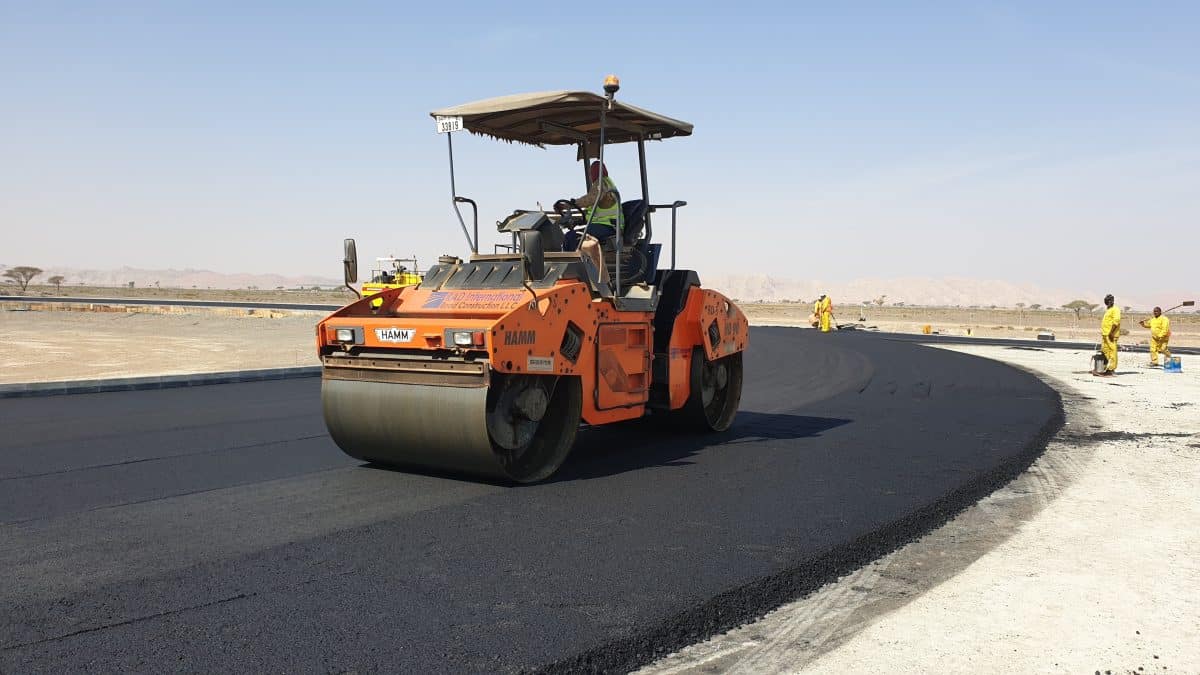
Homeowners must maintain asphalt driveways, walkways, and private roads, tackling cracks, potholes, and wear. Timely repairs and the right compaction equipment are vital for achieving smooth, durable, and long-lasting surfaces. Two popular options are mini road rollers and plate compactors. While both tools serve the same purpose—compressing asphalt for strength and stability—their designs, capabilities, and suitability for home projects differ.
Understanding the Basics
A mini road roller is a scaled-down version of the heavy rollers used in large road construction projects. It uses its weight combined with vibration to compact asphalt and other base materials. Mini rollers can be either walk-behind or ride-on, depending on the model.
A plate compactor uses a vibrating steel plate to quickly compress and stabilize surface materials. Plate compactors are smaller, lighter, and generally easier to maneuver than rollers, making them a common choice for small-scale paving and landscaping tasks.
Advantages of Mini Road Rollers
Superior Compaction Depth
Mini road rollers offer deeper and more uniform compaction compared to plate compactors. This makes them especially effective for thicker asphalt layers or larger driveway patches.
Smoother Finish
The drum of a roller glides across asphalt, producing a sleek, professional-looking surface. This finish is harder to achieve with the vibrating action of a plate compactor.
Efficiency on Larger Areas
For homeowners repairing longer driveways or multiple sections, mini road rollers cover more ground quickly, reducing the number of passes required.
Durability of Repairs
Because of their greater compaction force, rollers often result in stronger, longer-lasting asphalt repairs.
Advantages of Plate Compactors
Affordability
Plate compactors are less expensive to purchase or rent, making them accessible for homeowners who only need equipment occasionally.
Maneuverability
Their compact size and lighter weight make plate compactors easier to handle, especially in tight spaces like corners, edges, or around obstacles.
Versatility
In addition to asphalt, plate compactors are effective for compacting soil, gravel, and sand, which are common in landscaping projects.
Availability
Widely rented machines, many built specifically for beginner use.
Limitations to Consider
- Mini road rollers are heavier, harder to transport, and may require a trailer for delivery. Their rental cost is usually higher than that of plate compactors.
- Plate compactors can struggle with thicker asphalt layers, requiring more passes and still leaving the repair less durable compared to roller-compacted surfaces.
Which Tool Is Better for Home Asphalt Repairs?
The decision depends largely on the scale and type of project:
- Choose a mini road roller if you are resurfacing a long driveway, working with thicker asphalt layers, or seeking a professional-grade finish. The roller’s compaction depth and smooth results justify the extra rental cost for larger jobs.
- Choose a plate compactor if your project is smaller in scope, such as patching potholes, repairing narrow walkways, or compacting areas where maneuverability is essential. A plate compactor is more practical and affordable for these situations.
Renting vs. Buying
For homeowners, renting is usually the smarter choice, as both machines are specialized and not frequently used. Rental outlets provide daily or weekly rates that keep costs reasonable. Contractors or professionals who handle asphalt repairs regularly may consider purchasing, and working directly with a plate compactor manufacturer can ensure access to durable, reliable equipment.
Practical Tips for Home Asphalt Repair
- Preparation Matters – Always clean the damaged area, remove debris, and ensure a solid base before laying asphalt.
- Use Proper Materials – Choose the correct type of hot or cold asphalt mix suited for your climate and repair size.
- Compact in Layers – For deeper repairs, apply asphalt in thinner layers and compact each one to maximize strength.
- Inspect the Finish – After compaction, check the surface for evenness and fill in any low spots before the asphalt cools.
Both mini road rollers and plate compactors have their place in home asphalt repair. For larger areas requiring a durable, smooth finish, the mini road roller stands out. For smaller, more budget-conscious projects, the plate compactor is often sufficient. Understanding the strengths and limitations of each machine ensures homeowners can make informed decisions, leading to cost-effective and long-lasting results.

Comments are closed.