
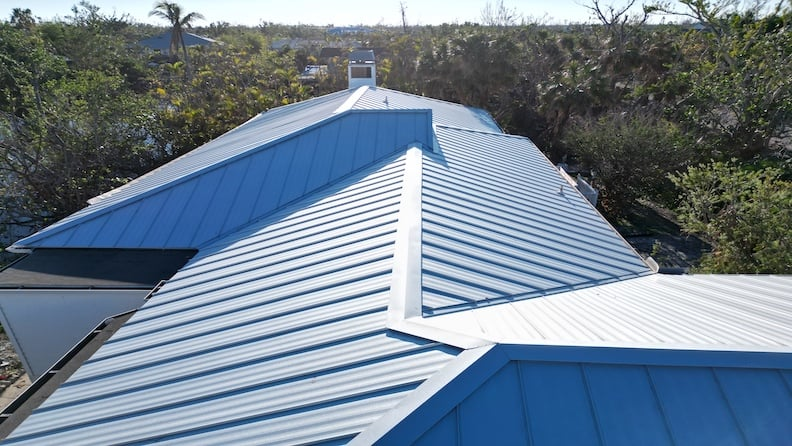
When it’s time for a commercial roofing installation, knowing what to expect can make the process more efficient, less stressful, and ultimately more successful. Whether you’re upgrading an aging roof or installing a new system on a brand-new building, a clear understanding of the phases involved can help you plan, budget, and prepare accordingly.
1. Initial Consultation and Roof Assessment
The process begins with a thorough roof inspection and consultation. A professional commercial roofing contractor will assess your current roof (if applicable), structural requirements, insulation needs, and drainage systems. They’ll also help you determine the best roofing material—options include TPO, EPDM, PVC, metal, or modified bitumen—based on your budget, building type, and local climate.
During this phase, you’ll receive a detailed proposal outlining the scope of work, timeline, and estimated cost. Be sure to ask questions and confirm details like warranty coverage and maintenance recommendations.
2. Permitting and Scheduling
Before any work begins, permits may be required depending on your local municipality. Your roofing contractor typically handles this process to ensure all regulations and safety codes are met. Once the paperwork is complete, the installation will be scheduled.
Expect some flexibility in start dates, especially if weather conditions or supply chain issues are involved. Your contractor should keep you informed throughout this phase.
3. Preparing the Job Site
Before installation, the site will be prepared to ensure safety and minimize disruption. This includes placing dumpsters, setting up perimeter fencing or barriers, and delivering materials. If your building is occupied during construction, your roofing company should develop a plan to protect tenants, employees, and visitors.
Noise, dust, and vibrations are inevitable during a commercial roofing project, but a reputable contractor will implement strategies to limit disruption to your operations.
4. Roof Removal and Surface Prep
If an existing roof needs to be removed, this is the first step once work begins. The crew will strip off the old materials and inspect the underlying structure. Any necessary repairs to the deck or insulation will be addressed at this stage to ensure a solid foundation for your new roof.
5. Roof Installation
Now comes the main event—installing the new roofing system. The time frame for this step varies depending on the size and complexity of the project, as well as the type of roofing material used. Skilled professionals will lay insulation, seal seams, and install flashings and other critical components to ensure the roof is watertight and energy-efficient.
6. Final Inspection and Clean-Up
Once installation is complete, the contractor will conduct a final inspection to ensure everything meets quality and safety standards. Debris will be cleared from the site, and you’ll receive documentation including warranties, maintenance instructions, and any necessary certifications.
Ready for a Reliable Commercial Roofing Installation?
At Old Time Roofing, we specialize in stress-free, high-quality commercial roofing services nationwide. Whether you’re replacing an old system or building from scratch, we’re here to guide you every step of the way.
Contact us today for a free consultation and discover why businesses trust us for expert commercial roofing installation.
This post was written by Ted Williams! Ted is the owner of A Old Time Roofing which is the premier Pinellas County Commercial Roofing company! Ted is a Master Elite Weather Stopper GAF Roofing Contractor, a double award winner of Best Steep-Slope Contractor from GAF and achiever of Master Elite Consumer Protection Excellence from GAF. He has been serving the Pinellas County area since 1978. Old Time Roofing has a tradition of quality workmanship, servicing residential and commercial properties.

Comments are closed.